
Quartz Slab Colors: How to Choose the Right Tone for Your Project
Quartz Slab Colors: How to Choose the Right Tone for Your Project
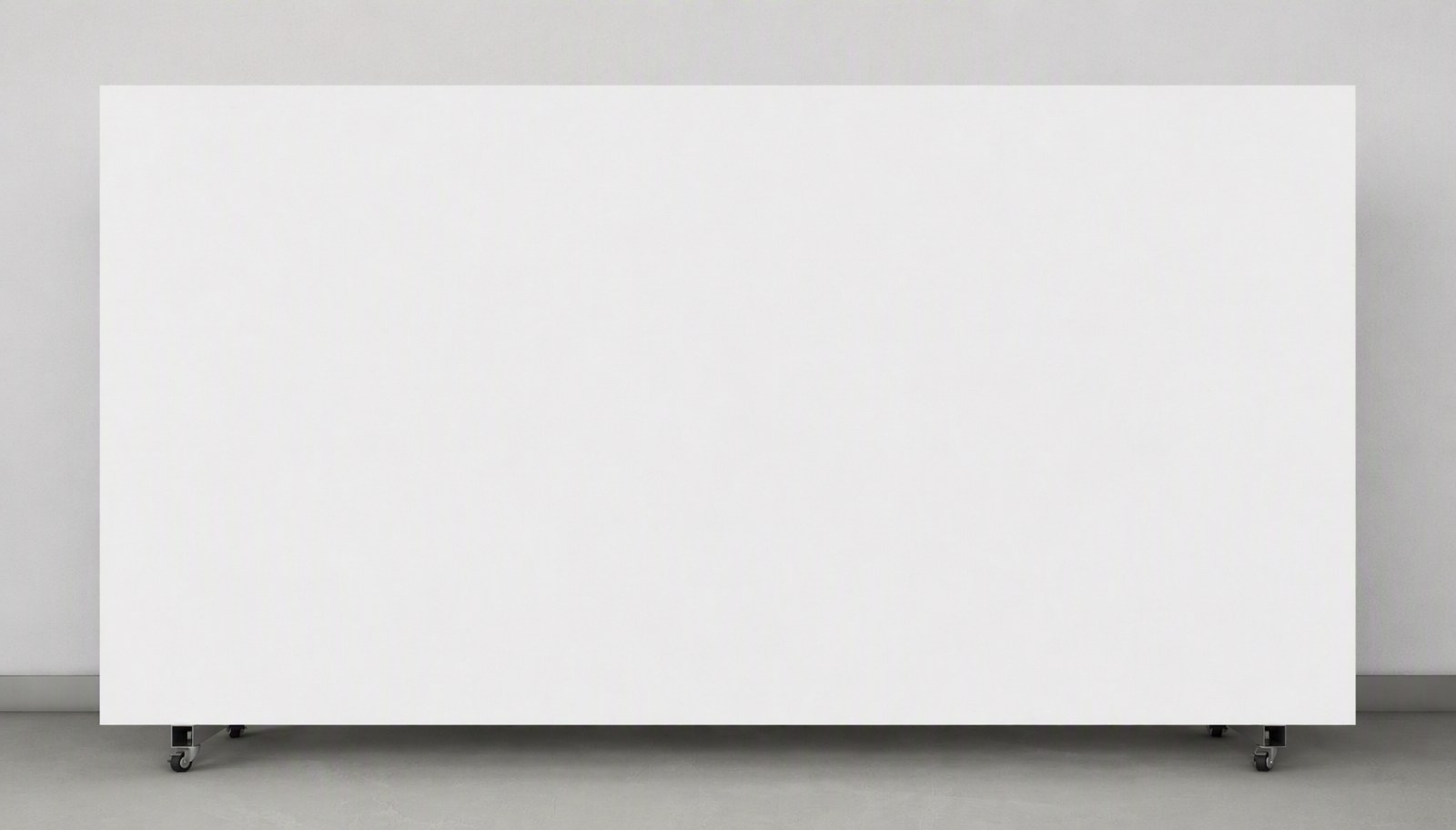
Choosing a quartz slab color is the decision buyers spend the most time on and the one they most often get wrong in a way that only shows up after the slabs land. The colour you pick determines whether the kitchen reads as warm or cool, whether it hides or shows every mark, whether the vein pattern matches across a waterfall run, and whether the room still looks right five years after the family has moved in. It is also the decision with the widest gap between what a buyer imagines and what a factory actually ships.
This guide walks through the quartz slab colors we produce, grouped by what the colour actually does to a room, so you can specify by behaviour rather than by a marketing name. Each family is described with the look, where it performs best, and where it will disappoint you.
Why Quartz Slab Color Is a Specification, Not a Preference
Engineered quartz is cast, not quarried. That single fact explains most of the colour behaviour buyers find surprising. Because the pattern is printed or moulded and then cured under heat and pressure, a quartz slab colour has an underlying consistency that natural stone cannot offer — the same batch matches across slabs, and repeat orders can be matched years later. It also means the colour behaves predictably under light, under sealant, and over a decade of use.
Three variables decide how a quartz slab color reads in a finished room: the base tone (how much light the surface reflects), the pattern type (whether it is uniform, speckled, or veined), and the finish (polished, honed, or matte). A base tone of high white in a matte finish reads completely differently from the same base tone polished, and buyers routinely underestimate that difference until the sample is in the room.
Pure White: Maximum Light, Minimum Forgiveness
Our pure white family — a very fine, almost invisible speckle on a bright white base — is the single most requested quartz slab color in the export market, and the one with the most demanding maintenance profile. On a light base, every mark reads: oil, coffee, red wine, and even the grey film left by a cloth. It is the right choice for a bright, minimalist, high-maintenance-standard kitchen, and the wrong choice for a family that intends to cook heavily and clean quickly.
Pure white quartz also has the advantage of visual expansion in a small room, and it reads seamlessly against white cabinetry, which is why the same slab often appears in both a kitchen and an adjoining bathroom in the same project.
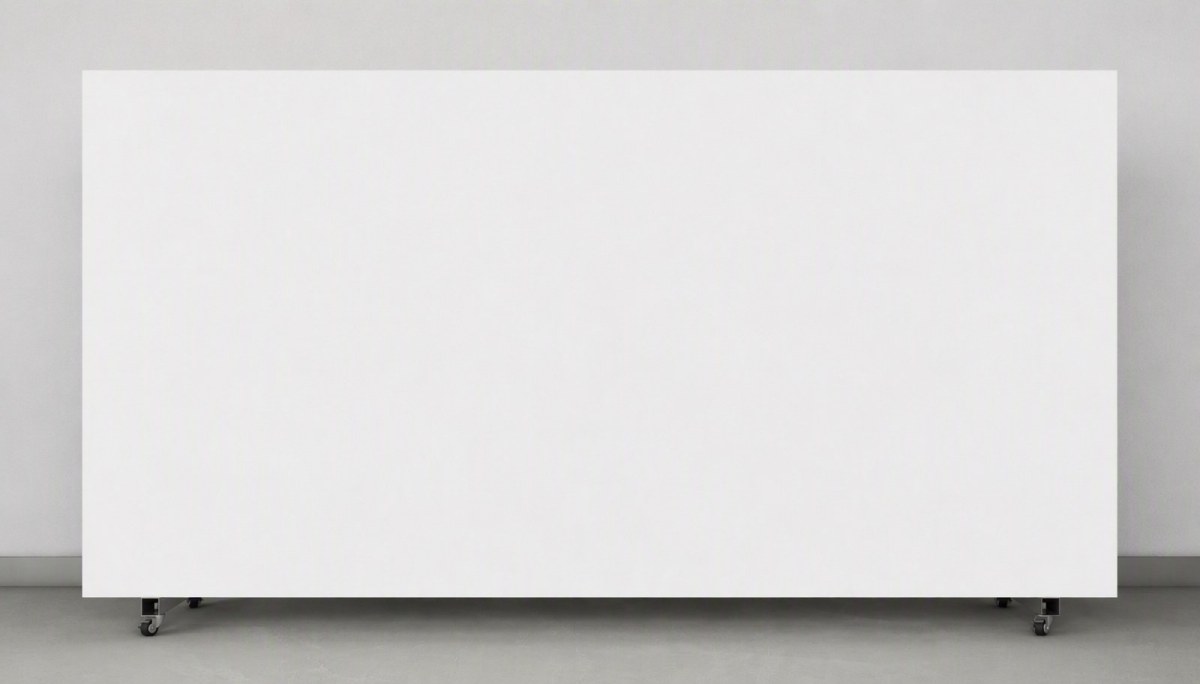
Fine Speckle and Salt-and-Pepper Tones: The Practical Middle Ground
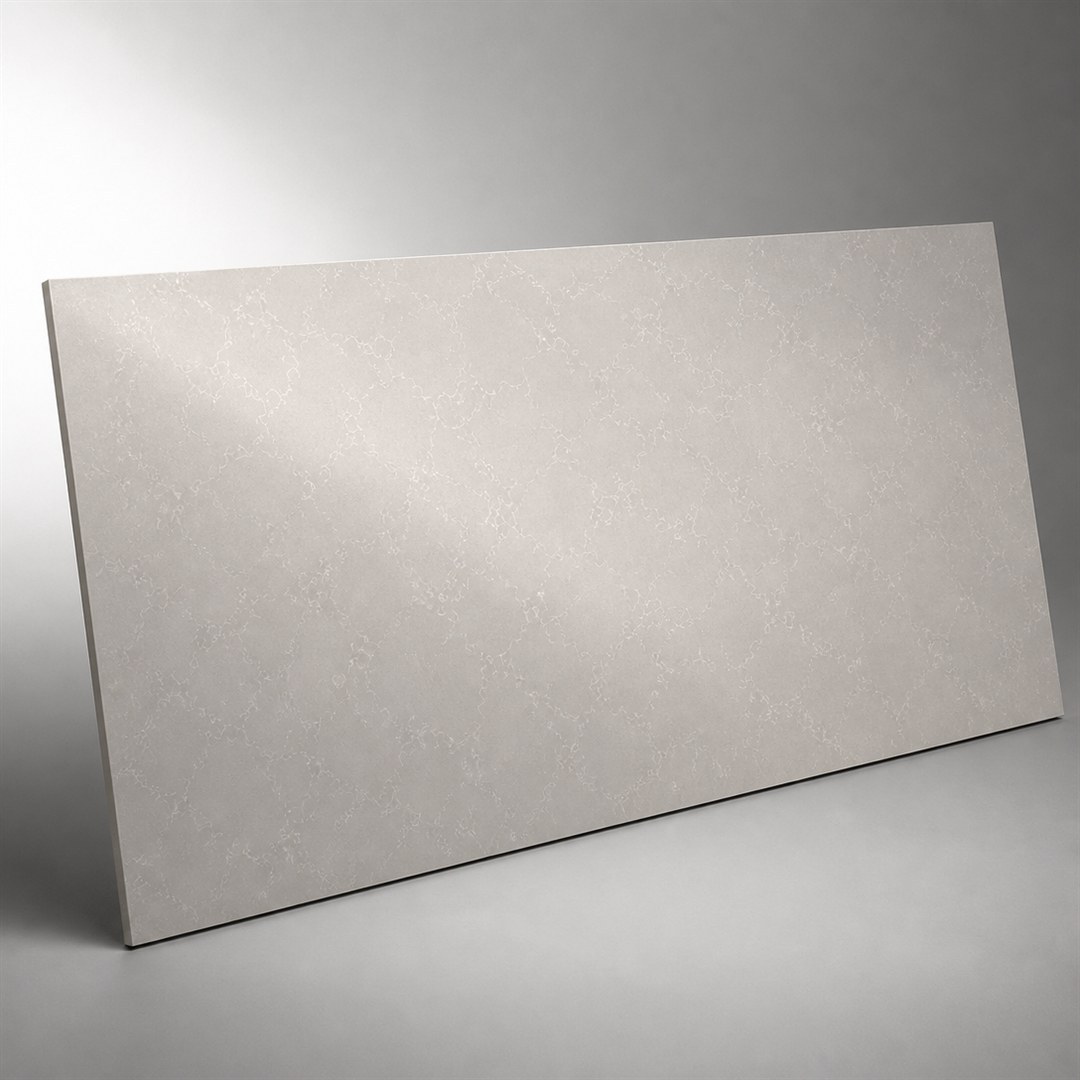
Adding a visible fine speckle to a near-white base changes the maintenance equation without changing the brightness. A speckled surface breaks up light marks into the pattern instead of letting them sit on the surface as a discrete stain, which is why most of our volume projects land here. The cream and off-white speckle tones sit in the same family and pair with warm wood cabinetry without the yellow cast that a strongly beige base can produce under warm lighting.
If your client is choosing between pure white and a speckle and hesitating, the practical question is not aesthetic — it is how the kitchen will be used. Cooking daily with children in the house pushes toward speckle. A show kitchen or a low-traffic apartment pushes toward pure white.
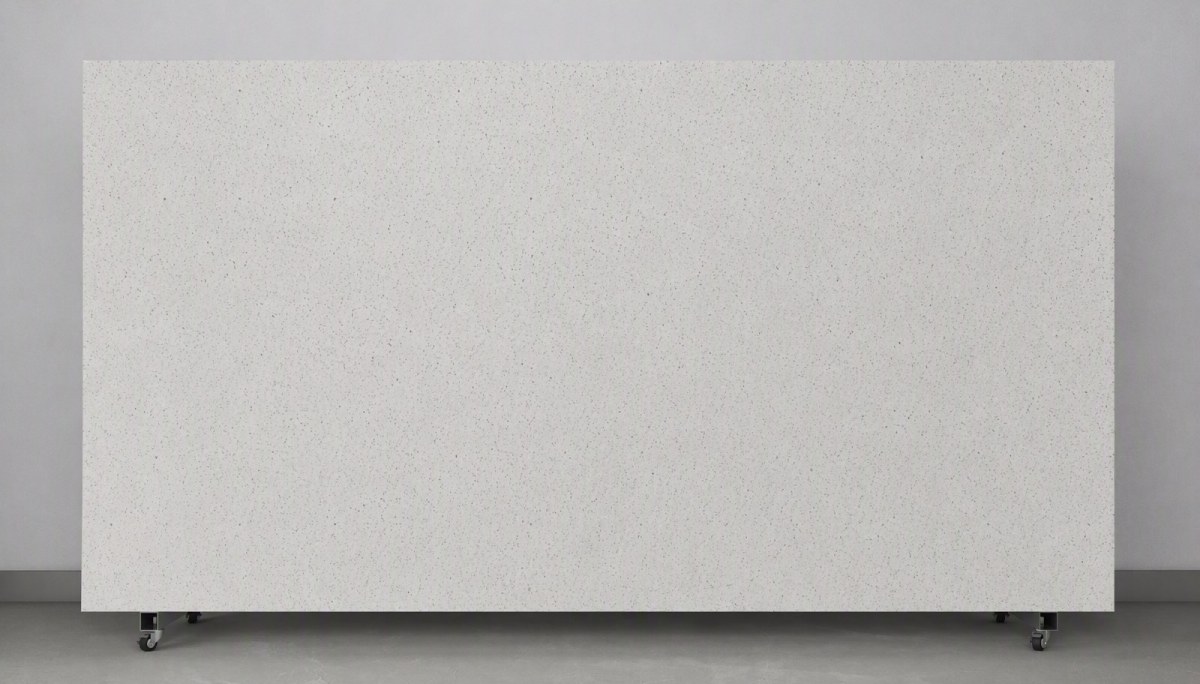
Light Grey: The Most Forgiving Commercial and Residential Tone
A neutral light grey with minimal veining is the workhorse of commercial stone and the most forgiving of the light family. It hides dust, it does not yellow, and it lets a room feel larger without the clinical feel of pure white. For hotel bathrooms, office reception desks, and shopping mall front counters — the commercial categories where our commercial quartz supply is concentrated — this is usually the default because it survives heavy foot traffic and frequent cleaning without visible degradation.
The subtlety to specify here is veining density. A slab with sparse, fine veining reads as solid colour from two metres away and suits large uninterrupted runs. Dense veining reads as a patterned material and fights with busy cabinetry.
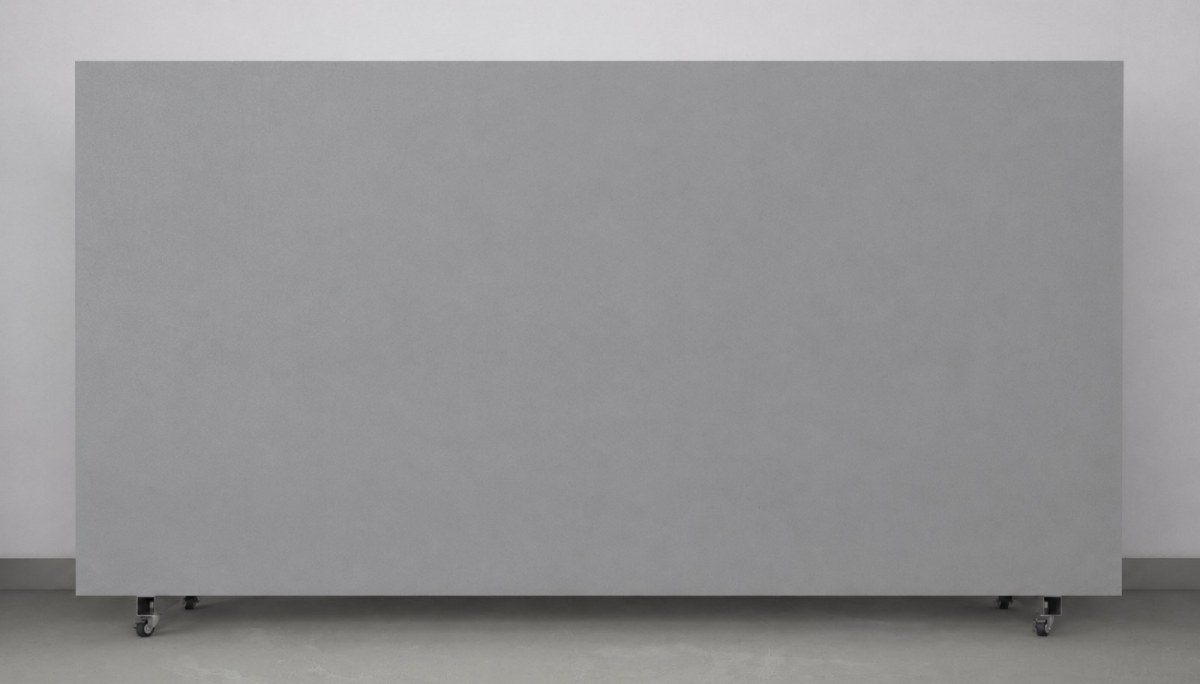
Controlled Veining: Calacatta and Statuario Families
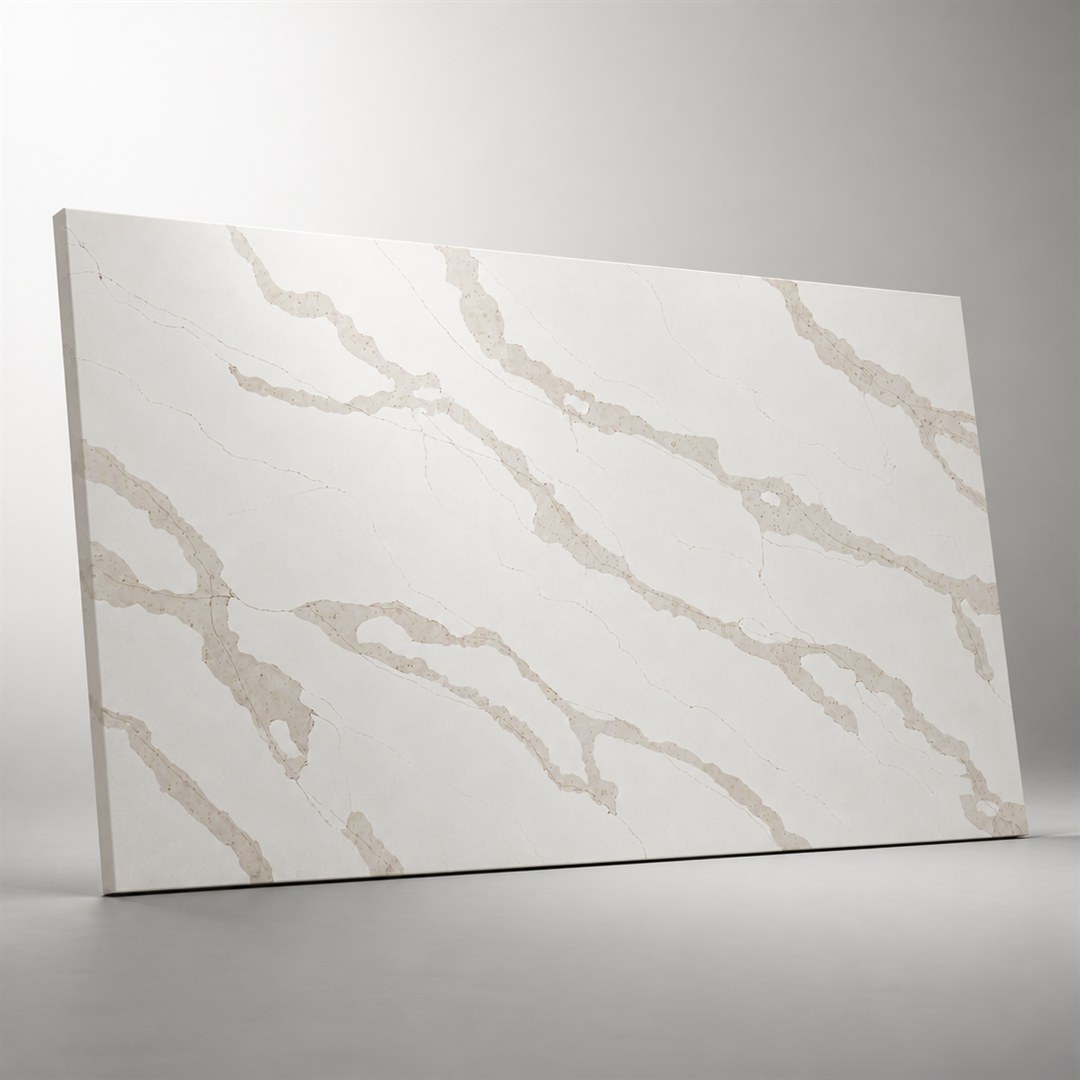
The largest search demand in quartz slab colors sits in the families buyers know from natural stone — Calacatta, Statuario, Carrara, Arabescato — but engineered as quartz. Our Calacatta quartz guide covers the vein structure in detail, and our Statuario quartz guide covers the cooler white-grey vein family. The key difference from natural marble is pattern control: a quartz vein can be calibrated so that the pattern repeats predictably across a waterfall or a full-height wall, which is not possible with a quarried slab.
Warm gold-vein quartz on a white base is currently the most requested direction in export projects, driven by warm-wood kitchen design. Specify the vein colour and the vein width together — a thin gold vein and a broad gold vein are different products with different visual weight, and they read as entirely different colours across a large island.
Dark and High-Contrast Tones: Statement, With Real Consequences
Black-based, ink-swirl, and high-contrast speckled quartz slabs make a strong design statement and are genuinely growing in commercial and hospitality work. They also change the room in ways buyers should be told about before ordering. A dark surface shows light dust and water spots more visibly than a light one, shows fingerprints and streaking from cleaning, and requires a near-perfectly flat wall or cabinet run because any unevenness reads as a shadow line against a dark surface.
For dark slabs, we recommend specifying the finish more carefully than for light ones. Honed and matte dark surfaces are more forgiving than polished dark surfaces, because gloss on a dark base amplifies every scratch. If a client wants dark polished quartz, plan for a realistic maintenance conversation.
Our deep charcoal, ink-swirl, and black-with-gold families are specified more often for hotel and retail projects than residential kitchens. If your project is commercial, our commercial quartz guide covers the specification details that matter in that environment.
How to Approve a Quartz Slab Colour the Right Way
The most reliable approval method is a physical sample viewed in the actual room, in the actual lighting, at the actual time of day that matters. Nothing else reproduces the interaction of a quartz colour with a specific light source. Our quartz colour guide for modern kitchens covers how to structure that review.
- Request a cut sample, not a photograph. A printed image shifts hue and cannot show vein scale. Ask for a 300 x 300 mm cut piece or a set of A5 samples.
- Approve against the cabinetry, not against white paper. A colour that looks clean on a white background picks up the undertone of the cabinet doors next to it.
- Batch-match before fabrication, never after. Reserve the slab for the job at quotation stage so the vein layout is fixed before cutting begins.
- Confirm vein scale against the largest single surface. On a 3.2-metre island, a vein that looked bold on a sample may read as noise at full size.
- Specify the finish in writing. The same colour in polished and honed finishes is a different visual product and should be ordered as one.
Matching Colour Across a Project
On a project with multiple rooms — a villa with a kitchen, bathrooms, and a feature wall — colour continuity becomes a supply question, not a design question. Engineered quartz solves this better than natural stone, provided the batch is controlled. Order the full project quantity from a single production batch and the veining aligns across every slab, including slabs cut months apart for a second phase.
Our colour difference control guide covers how we manage batch consistency on bulk orders, and our 2026 buyer colour guide ranks the tones currently in highest demand across our export projects.
For slab formats that make colour matching easier, our quartz slab sizes and jumbo formats guide covers the standard and jumbo dimensions available, and which formats carry a given colour most efficiently.
Frequently Asked Questions
What quartz slab color is most popular?
Pure white and white with fine speckle remain the highest-volume requests, and white with warm gold veining is the fastest-growing direction in export projects. The choice usually tracks the cabinetry style and the expected cleaning routine more than any single design trend.
Does quartz slab color fade over time?
Engineered quartz colour is stable and does not fade the way dyed natural stone can, because the pigment is cast into the body of the material rather than being absorbed at the surface. Colours can shift slightly under prolonged direct sunlight, but this is a slow effect and applies to the lightest tones.
Can you match a natural marble or granite colour in quartz?
Broadly yes. Our quartz versus marble comparison covers where matching succeeds and where natural stone retains an advantage in depth of pattern. When a client wants a specific natural stone reproduced, send us the reference and we will tell you honestly whether quartz can hold that look.
How many slabs do I need for my kitchen?
It depends on layout and slab size rather than colour, but colour affects yield because a vein-matched run wastes more material than a uniform colour. Our slabs per container guide covers the arithmetic, and what drives quartz slab price explains why a veined pattern carries a higher material cost per square metre.
Does the finish change the colour?
Yes, visibly. Honed or matte finishes soften the pattern contrast and diffuse reflection; polished surfaces deepen the background tone and sharpen vein contrast. Always approve the colour in the finish you will actually order.
Can I see the actual slabs before ordering?
Yes, and for veined colours we strongly recommend it. Our buying guide for quartz slabs from China covers the sample and inspection stages of an order, including what to check when you receive slabs.
Send Us A Message