
Buying from Quartz Slab Manufacturers in China: MOQ, Samples, QC, Payment, Lead Time
Buying from Quartz Slab Manufacturers in China: MOQ, Samples, QC, Payment, Lead Time
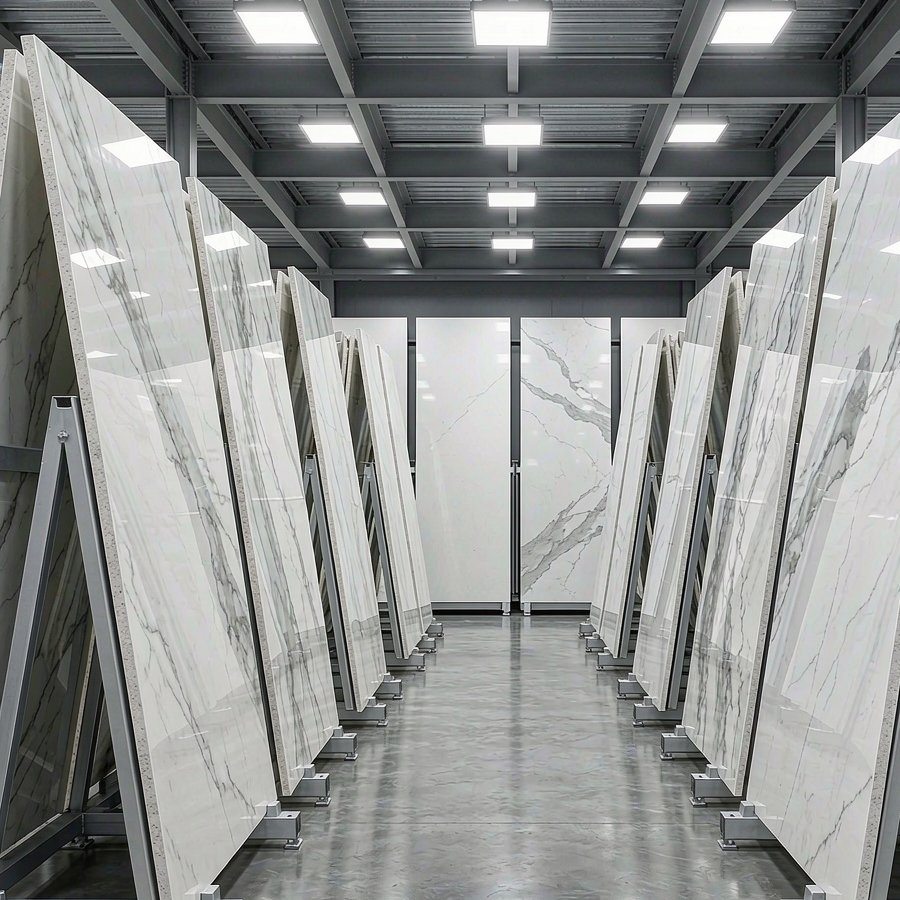
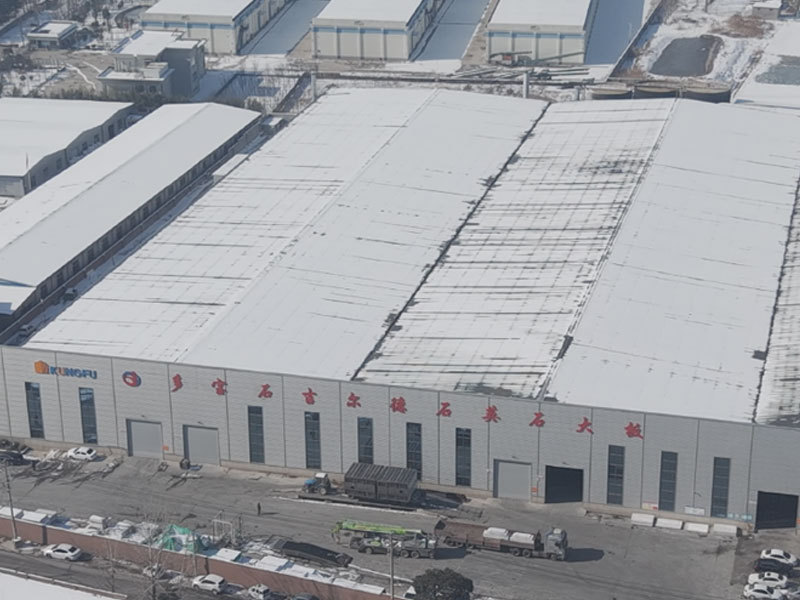
Buying engineered quartz slabs from China is a container-scale decision, not a showroom purchase. The material is heavy, it ships vertically in crates, it is produced in batches, and most expensive mistakes happen before the deposit is paid — in the wording of the specification. This guide is written from the production side of the table, for importers, fabricators, distributors and project buyers comparing quartz slab manufacturers in China. It follows the order a factory order actually takes: MOQ, samples, quality control, quotation, payment terms, and lead time with documents — the six steps where a first order usually goes wrong.
What quartz slab manufacturers in China actually supply
Our production covers polished engineered quartz slabs in the standard export formats — 3200 × 1800 mm, 3200 × 1600 mm and 3200 × 750 mm — plus an oversized 1800 × 3500 mm slab for islands and full-height panel work, where fewer seams change the finished appearance. Thickness options are 18 mm and 20 mm. Weight is published, not estimated: a 3200 × 1800 × 18 mm slab weighs approximately 248.8 kg, and the same format in 20 mm approximately 276.4 kg.
Performance is stated as tested values, not adjectives: 6 on the Mohs scale, moisture content of 0.02%, and current ISO9001, NSF (food contact) and SGS (environmental and fire safety) certificates. What most quartz slab manufacturers in China will not do is hold one design at one price indefinitely — engineered quartz follows batch, colour and format planning. Specification discipline therefore matters more than the brochure.
Step 1 — MOQ: what a minimum order really means
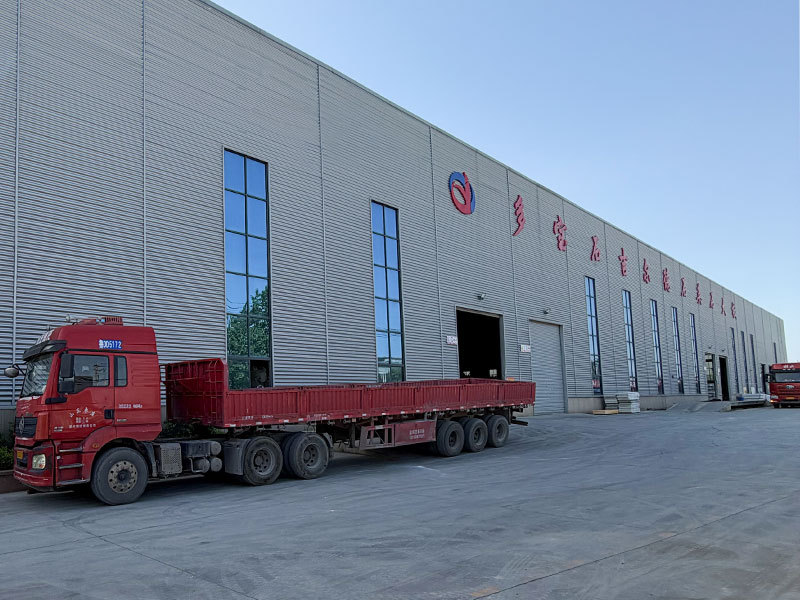
Minimum order quantities quoted by quartz slab manufacturers in China are usually expressed per colour and per thickness, or in containers, rather than in square metres. Three questions resolve it: is the MOQ counted per colour, per thickness or per order? can one container carry several colours and formats together? and what slab count per container is quoted for 18 mm and for 20 mm?
Do the arithmetic before accepting a loading plan. A 20 ft container has a maximum payload of roughly 28 tonnes; at 248.8 kg per 3200 × 1800 × 18 mm slab that is approximately 112 slabs by weight alone, before crate weight and load-balancing reduce it further. Real A-frame loads always land below that ceiling, so the useful question is not "how many fit?" but "may I see the loading plan?" Flexible mixed-colour MOQ is one practical advantage smaller quartz slab manufacturers in China offer over volume-only lines: a full container without committing it to one design.
Step 2 — Samples: approve a batch, not a colour chart
A sample is the reference document for the whole order, so how it was produced matters as much as how it looks. Four questions decide its usefulness:
- Production stock or studio swatch? Only material from a real production batch tells you what will arrive.
- What size is it? A chip confirms base colour; it cannot show vein scale, which is what clients react to on an island.
- Is it charged, and is the charge credited against the first order? Get this in writing with the quotation.
- How fast can a larger reference slab be sent? On a multi-unit project, that courier cost is worth paying.
Most quartz slab manufacturers in China will send a swatch or a production sample on request — the difference between the two is the point. Approve it in the finish you are ordering: the same colour polished and honed reads as two different products.
Step 3 — Quality control: what to inspect and what to ask for
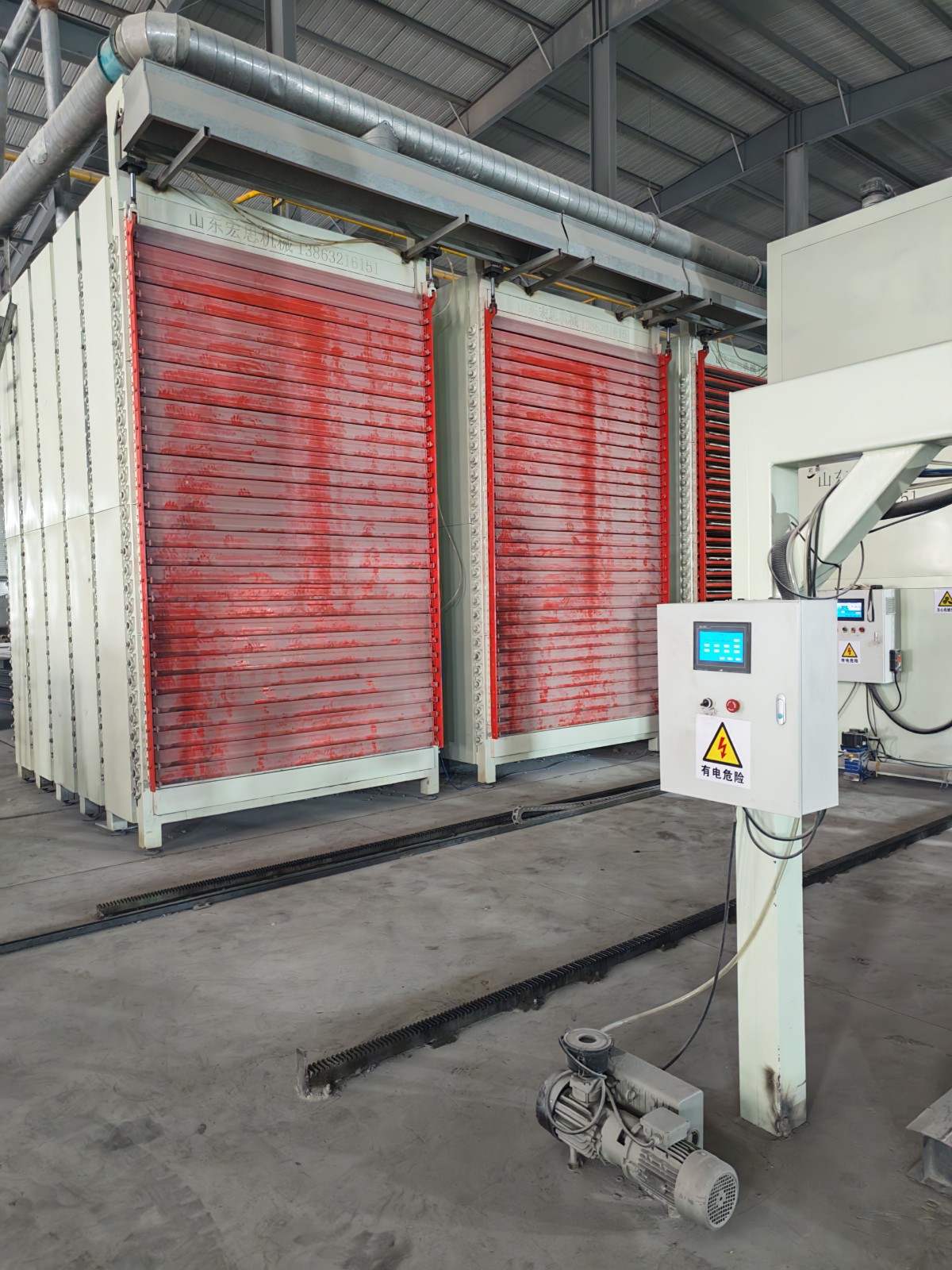
A quality control procedure is only meaningful if it covers the whole chain: raw material, pigment ratio, pressing and curing, surface finishing, dimensional tolerance, packing and document traceability. If a supplier can describe only one of those steps, the system is thinner than the certificate on the wall suggests.
Thickness tolerance is the item most often argued about after arrival. A common export working range is within ±0.5 mm of nominal thickness, with tighter control around ±0.3 mm where fabrication demands it. Ask whether that applies to an average, a spot measurement, or variation across the whole slab — the three are not the same promise. The list to agree in writing is short:
- Colour consistency within the batch, against the approved sample
- Thickness measured across the slab, not at a single point
- Length, width, squareness and flatness
- Surface defects: pinholes, contamination points, polishing marks
- Edge condition before packing
On a first order, third-party inspection is inexpensive insurance: an SGS or BV pre-shipment inspection gives you an independent record, and a supplier who resists it is telling you something. Ask how a complaint is traced — a factory that can pull the production date, batch number, container allocation and inspection photographs can resolve a claim. That traceability is one of the clearest lines between real quartz slab manufacturers in China and trading offices with a rented warehouse.
Step 4 — Quotation structure: what makes two quotes comparable
Two quotes for "white quartz slab, 20 mm" are rarely comparable as written. Comparing quartz slab manufacturers in China on the quoted number alone is how buyers end up paying more, so insist that each quote states the format and thickness, the finish, the slab count and total square metres, the packing standard, the Incoterm (EXW, FOB or CIF), the port of loading, the estimated loading date, the validity period, and what is excluded. Duties, destination port charges and inland delivery are the classic omissions — and they are what turns the cheaper quote into the more expensive order.
Step 5 — Payment terms and the risks worth refusing
The common international structure is a deposit by telegraphic transfer with the balance against a copy of the bill of lading; letters of credit are used where order value or company policy requires them. Payment terms differ between quartz slab manufacturers in China, but three rules protect the money in any structure:
- The beneficiary name on the invoice must match the company that signed the contract.
- The bank account must be a company account in that same name — never a personal or third-party account.
- Any late change of bank details must be verified by voice with a contact you already had, not by email alone.
Payment-diversion fraud is the most expensive mistake in cross-border stone buying, and it has nothing to do with product quality. Agree account details inside the contract, so a later "updated banking information" email is treated as the red flag it is.
Step 6 — Lead time, packing, shipping and documents
Production lead time for a standard export order typically runs two to four weeks, with the sailing schedule added on top. Ask when container space is booked: a factory that books space as soon as production is confirmed removes the most common cause of a delayed shipment. Pre-allocated packing materials — A-frame crates, corner guards, separators and straps — commonly save two to three days on a multi-container order, because loading does not wait for crates to be built.
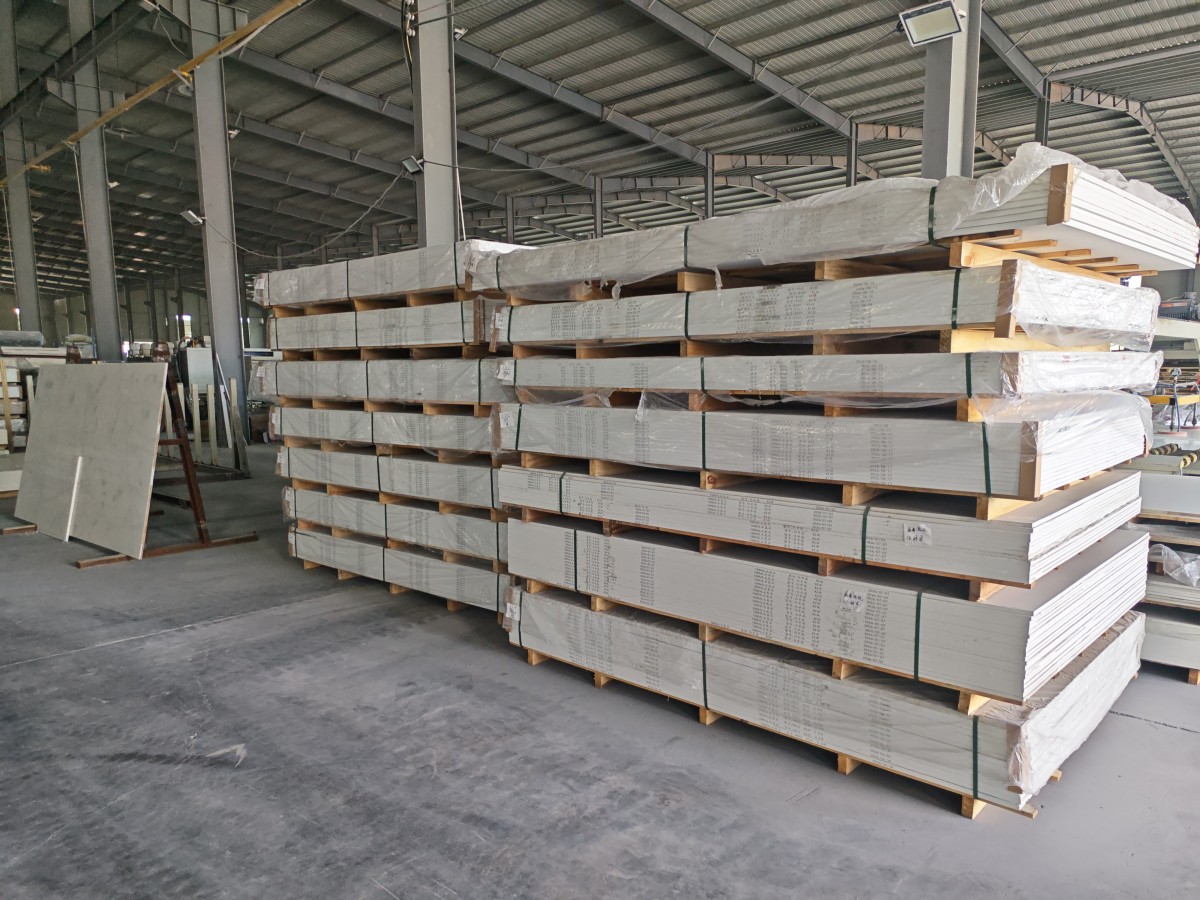
Packing is where quartz shipments are won or lost. Slabs travel vertically in purpose-built crates with edge guarding and foam separators; each crate carries its own batch number and slab list; crates are loaded heaviest-first, centred over the container axles, with load bars and timber blocking, and nothing touching the doors. After loading, photographs of the container interior and the seal number are filed against the packing list, and fumigation documents are prepared alongside the commercial invoice and certificate of origin.
One document question is worth settling early: which HS code applies? Engineered quartz slabs are normally classified under HS heading 6810, articles of artificial stone, most commonly 6810.99 for slabs. Classification is applied by the importing country, so confirm the code with your customs broker before the invoice is issued — a mismatch is a delay at the port, not at the factory.
Silica compliance: the question buyers now ask before ordering
Crystalline silica regulation has moved from a factory-safety topic to a purchasing condition. Buyers in Australia, parts of the United States and the United Kingdom increasingly ask quartz slab manufacturers in China for a declared silica content before approving a colour. Request the declared crystalline silica content and the resin system in writing, and if your market restricts high-silica product, write that requirement into the specification before production starts rather than raising it at the port. Our guide on whether engineered quartz is safe and eco-friendly covers the underlying material questions.
How to shortlist quartz slab manufacturers in China
Six checks separate a production factory from a listing, and all six are answered with documents rather than assurances:
- Do they press the slabs themselves? Ask for recent video of the line running, with the batch number visible.
- What is the batch colour-control procedure? Consistency across a container is a process, not a promise.
- Which certificates are current? ISO9001, NSF and SGS documents should carry dates you can verify.
- What is the packing standard for your route? Crate type, separators, edge guarding and loading method.
- Who answers technical questions? A tolerance or compliance question should reach an engineer, not a sales desk.
- What references exist in your market? Ask for container histories in your region, not a logo wall.
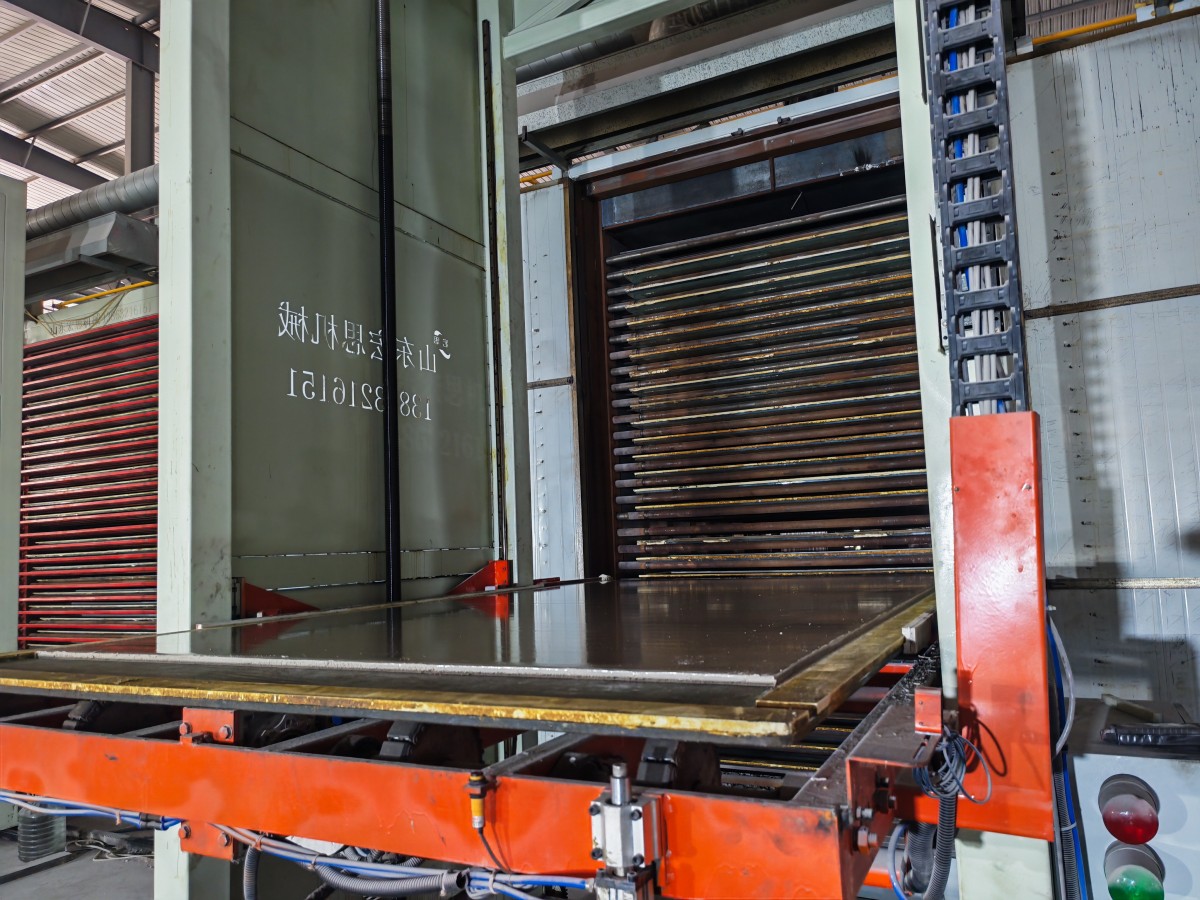
Shortlisting quartz slab manufacturers in China is mostly a documentation exercise. Factories that press their own material answer these questions quickly, because the answers already exist internally; intermediaries tend to answer with adjectives. Our own range, from marble-look designs such as Marble Golden Thread to dark statement slabs, is produced in-house, so custom sizes, colours and patterns can be developed to a brief.
Common mistakes on a first China order
Buyers who compare quartz slab manufacturers in China on the unit price alone tend to make most of these errors:
- Comparing unit price instead of landed cost, and ignoring packing quality
- Approving a design from a photograph without a production-batch sample
- Leaving thickness tolerance, finish and edge profile out of the specification
- Paying a deposit to an account whose name does not match the contract
- Ordering exactly the square metres needed, with no allowance for cutting waste
- Booking inspection after production has finished, when nothing can be changed
Frequently Asked Questions
Are quartz slabs from China good quality?
Quality depends on the factory, not the country. Quartz slab manufacturers in China supply a large share of the world's engineered quartz, from budget board to export-grade material with ISO9001, NSF and SGS documentation. The difference shows in four things: declared tolerance, batch colour control, packing standard, and willingness to accept third-party inspection.
What is the MOQ for quartz slabs from China?
Quartz is normally quoted by container rather than by piece, and many factories allow several colours and formats in one load. Ask for the MOQ per colour, the slab count per container for 18 mm and 20 mm, and confirmation that mixed-colour loading is acceptable. A loading plan answers better than a number.
What is the HS code for engineered quartz slabs?
Engineered quartz slabs are generally classified under HS heading 6810, articles of artificial stone, most commonly 6810.99. The code applied depends on the importing country, so confirm it with your customs broker before the invoice is issued.
How long does it take to ship quartz slabs from China?
Standard production runs two to four weeks depending on volume, colour and format, with ocean transit on top — typically a few weeks to Europe or North America.
Can quartz slab manufacturers in China develop custom colours?
Factories that press their own slabs generally can, because colour development is a matter of pigment formulation and a sample run. Three questions matter: is the design developed in-house or licensed from a third-party brand, does a minimum batch apply to a new colour, and how is the approved standard held for repeat orders?
Conclusion
Sourcing from quartz slab manufacturers in China works at scale for buyers who treat the specification as the product. Fix the format, thickness, finish and tolerance in writing. Approve a production sample rather than a chart. Agree the inspection method, the payment details and the packing standard before production starts. Then quotations become comparable and the material reaching the fabricator matches the material that was approved.
Slab format is a commercial decision as much as a technical one: a wider sheet removes joints from a long run and changes what fits in the container. Our guide to jumbo quartz slab sizes covers the formats we press, weight per slab, and how to read yield against a nesting layout.
Cost is the last thing to compare and the hardest to compare fairly, because two quotations rarely describe the same product. Our guide to what actually drives a quartz slab price breaks the number into format, thickness, colour, order volume, freight and trade terms, and sets out how to read two quotes on the same basis.
If your program needs a signature design rather than a catalogue colour, read our guide to custom quartz countertops — it covers what OEM colour development, private label and cut-to-size orders actually involve, and how to vet a factory for each.
For a closer look at factory-direct sourcing, our quartz slabs wholesale guide walks through container planning, pricing tiers and payment terms.
If minimum order quantities are your sticking point, the quartz slab MOQ guide explains how low you can realistically start.
Related Articles
- Stable Lead Time for Global Bulk Quartz Orders
- Strict Batch Inspection Standard for Export Quartz Orders
- How We Pack Quartz Slabs for Safe Export
- Thickness Tolerance Standard for Export Quartz Slabs
Get a Loading Plan and Quotation
We are among the quartz slab manufacturers in China that press and finish material in-house for importers, fabricators and project buyers. Send the format you need (standard 3200 × 1800 mm up to 1800 × 3500 mm), the thickness, the colour direction and your volume — we will come back with a loading plan, the technical data sheet, current ISO9001, NSF and SGS certificates, and an indicative quotation.
📱 WhatsApp: +86 198 6115 3736
📧 Email: raykelee@hyquartzslabfactory.com
If you are evaluating a quartz slab factory on the ground, our separate guide on how to vet a reliable supplier covers production capacity, QC, certifications and MOQ in detail.
If you are evaluating a quartz slab factory on the ground, our separate guide on how to vet a reliable supplier covers production capacity, QC, certifications and MOQ in detail.
If you are evaluating a quartz slab factory on the ground, our separate guide on how to vet a reliable supplier covers production capacity, QC, certifications and MOQ in detail.
Send Us A Message