
Is Engineered Quartz Stone Safe and Eco‑Friendly
Is Engineered Quartz Stone Safe and Eco‑Friendly
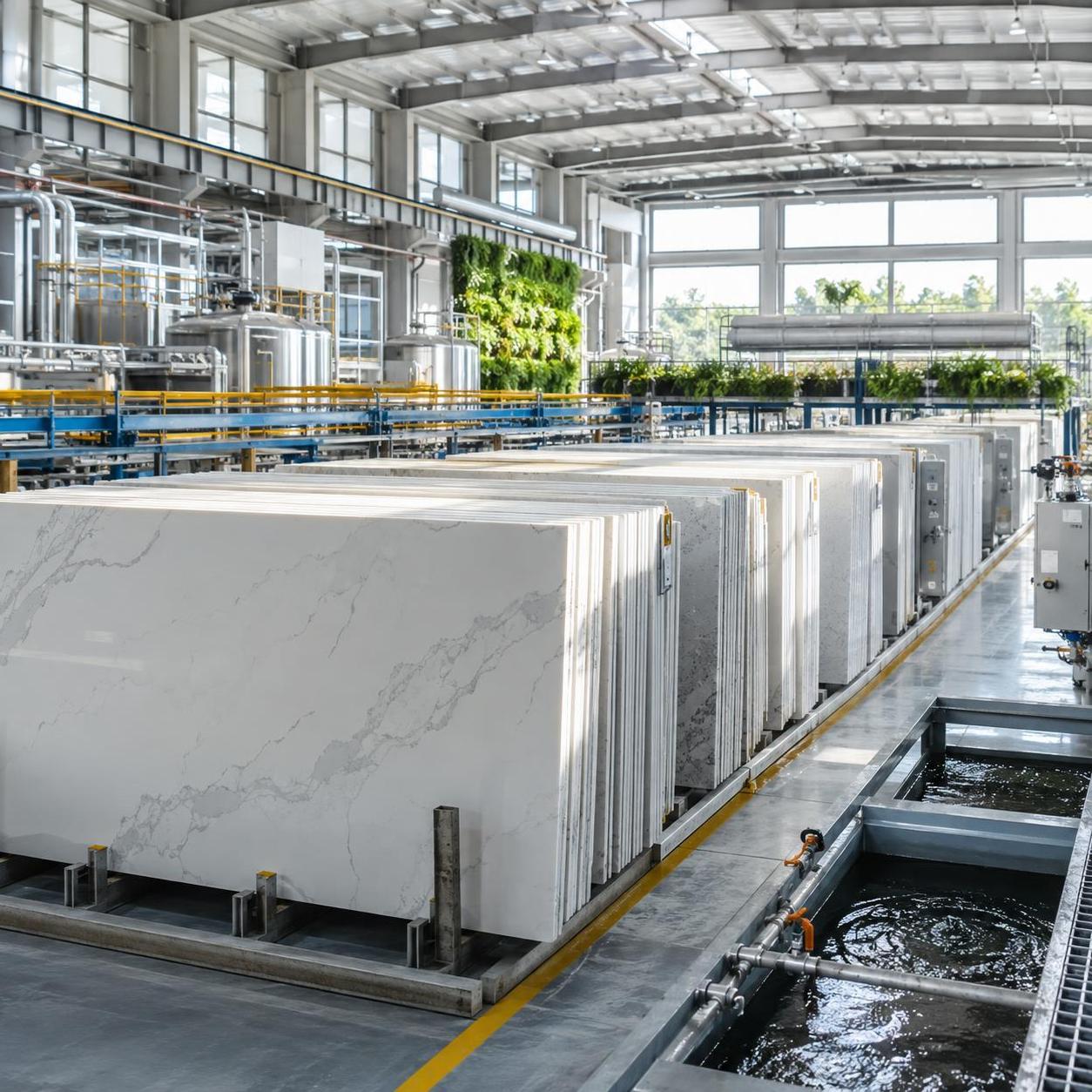
Is Engineered Quartz Stone Safe and Eco-Friendly? What the Evidence Shows
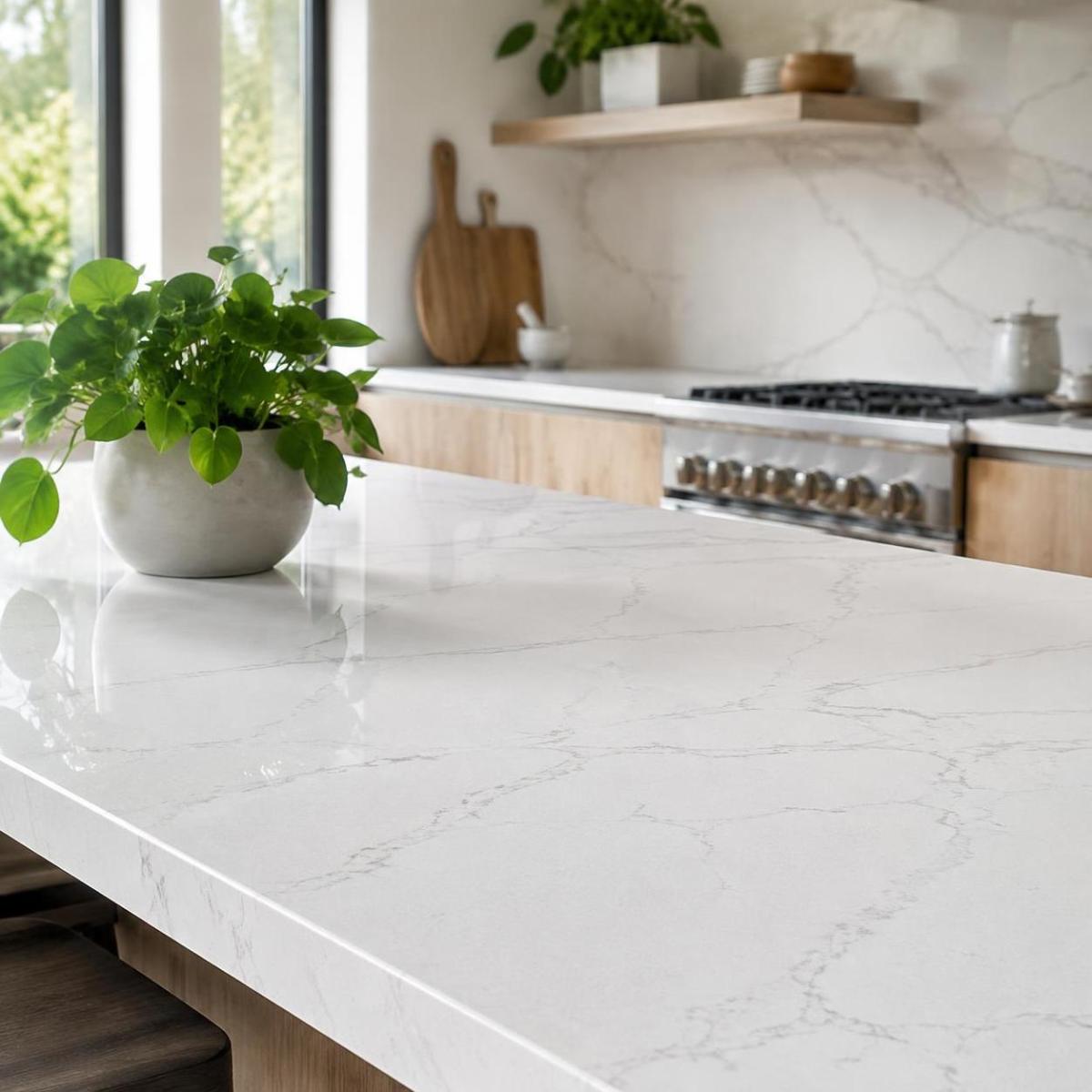
If you are wondering whether engineered quartz stone is safe and eco-friendly, the short answer is: usually yes in daily use, but it depends on what part of the product life cycle you are talking about. For homeowners and end users, well-made quartz surfaces are generally considered safe for kitchens, bathrooms, and interior wall applications because they are non-porous, stable, and easy to keep clean. The more complicated part is environmental impact and worker safety during cutting and fabrication, which deserves a more careful look.
A lot of confusion comes from treating “safe” as one single issue. In practice, there are at least three different questions behind it. Is it safe to live with? Is it safe to install and fabricate? And is it eco-friendly compared with other decorative materials? Those answers are related, but they are not identical.
What engineered quartz stone is really made of
Engineered quartz stone is not the same as natural quartz slabs cut directly from a quarry. It is a manufactured surface made mainly from crushed quartz particles combined with resin, pigments, and other additives, then pressed and cured into slabs. Because of that structure, it offers a consistent appearance and strong stain resistance, which is one reason it became so common in kitchens and commercial interiors.
From a user’s point of view, that resin-bonded structure is not automatically a problem. Once the slab is fully cured and finished, the material is generally stable in normal indoor conditions. The bigger concern is not that the countertop will suddenly release harmful substances during everyday use, but whether the product meets reasonable quality standards for emissions and whether it is used in the right environment.
Is engineered quartz stone safe inside the home?
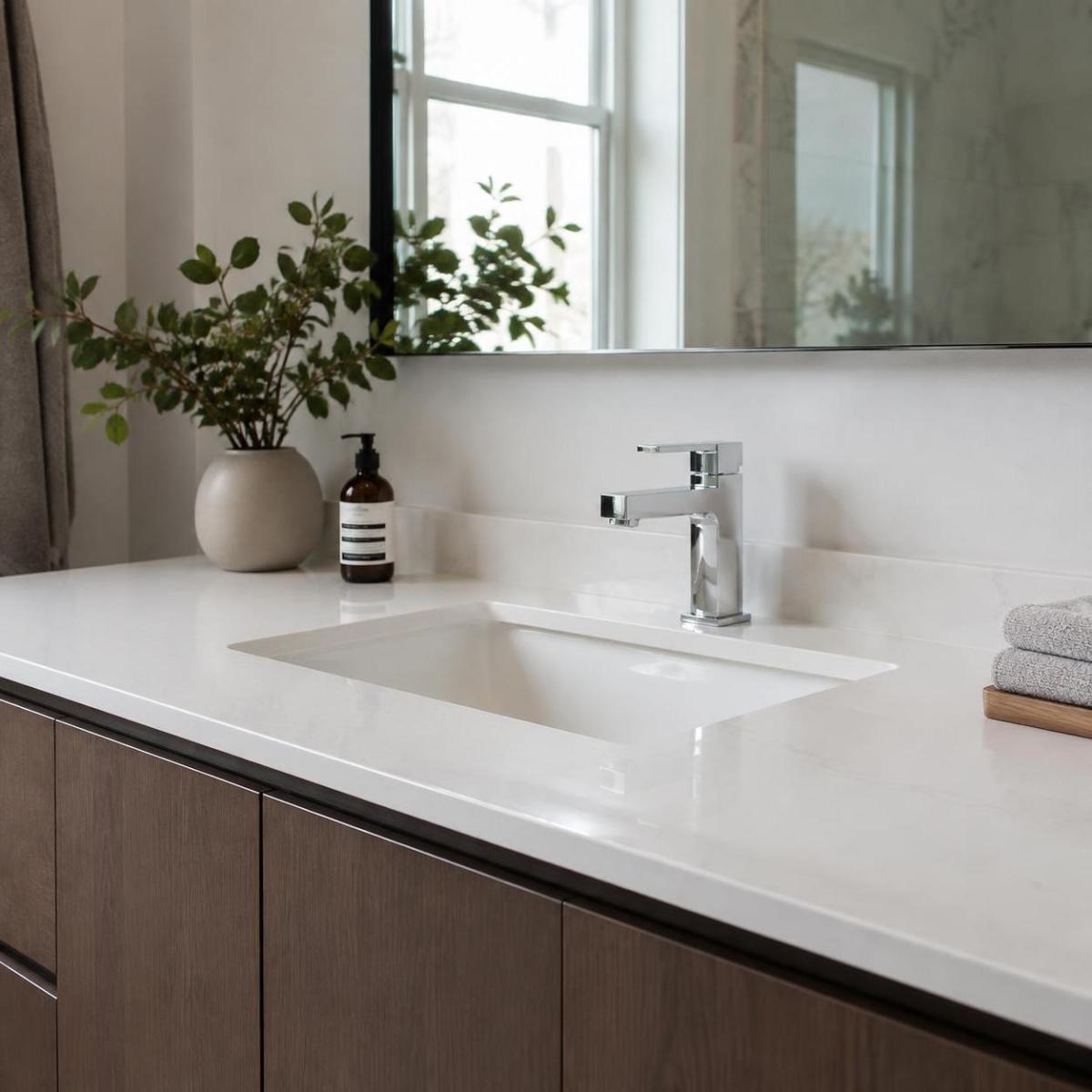
For ordinary indoor use, engineered quartz stone is widely regarded as a safe surface material when it comes from a reputable manufacturer and is properly fabricated. It does not usually need sealing, it does not absorb liquids easily, and it is less likely to harbor bacteria than more porous materials. That matters in kitchens and bathrooms, where hygiene is often a bigger daily concern than chemistry.
Indoor air quality is one of the first things buyers worry about. Since engineered quartz contains resin, some people assume it must release strong chemical emissions for years. In reality, emission levels vary by product quality, resin system, and manufacturing control. Better-grade slabs are commonly selected with low-VOC performance in mind, especially for interior projects with stricter material screening. If indoor air quality is a priority, it is sensible to ask for test documentation or compliance information instead of relying on sales language.
There is one practical limitation that should not be glossed over: quartz is not ideal for every location. It handles normal indoor heat reasonably well, but direct contact with very hot cookware can still damage the resin component, causing discoloration or thermal shock. It is also not always the best choice for exterior areas with strong UV exposure, because prolonged sunlight may affect color stability depending on the formulation. So yes, engineered quartz stone is safe in many interior settings, but “safe” does not mean “suitable for every condition.”
The part many articles skip: fabrication safety
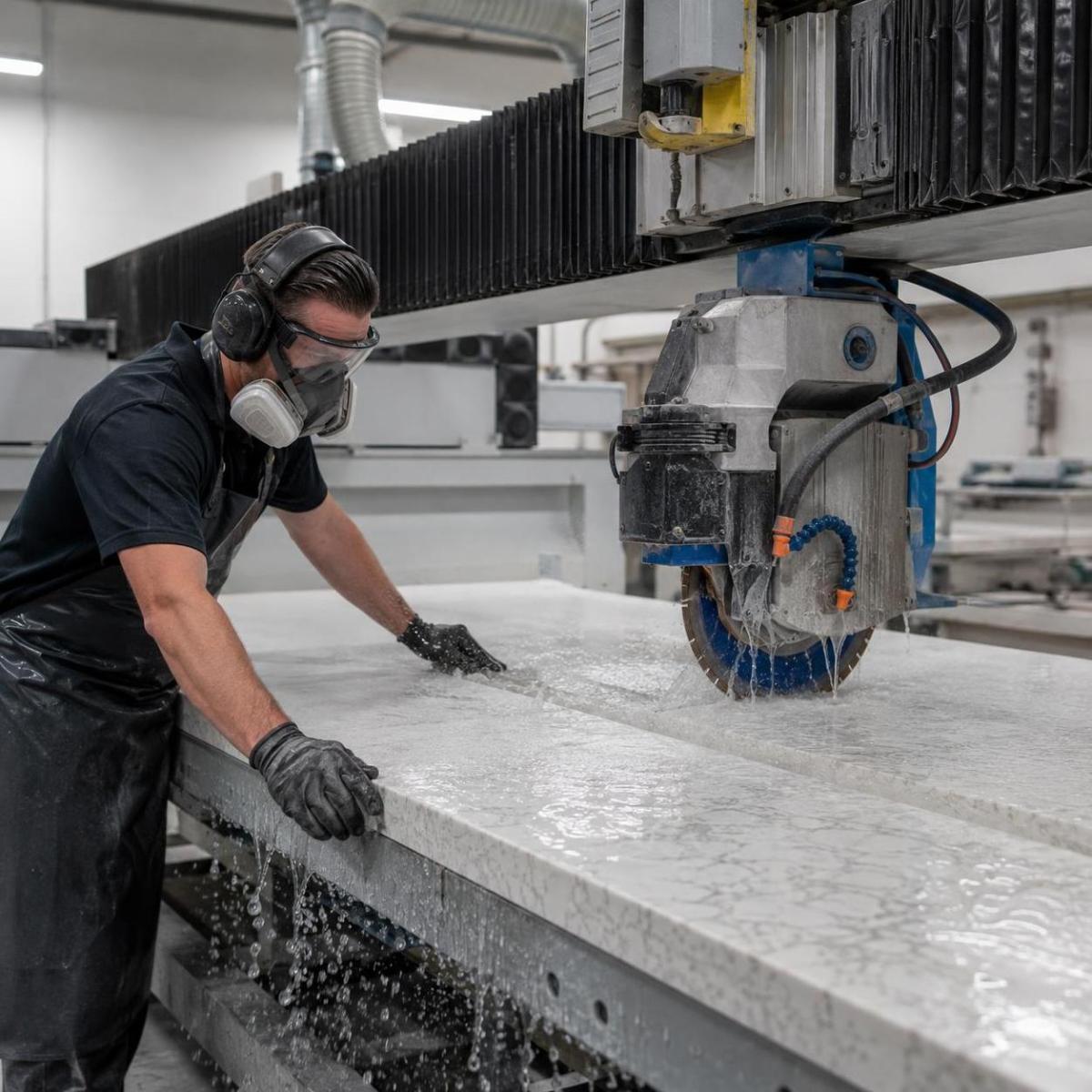
This is where the conversation gets more serious. When engineered quartz stone is cut, ground, or polished, it can generate respirable crystalline silica dust. That dust is a known health risk for workers if fabrication is done without proper wet processing, extraction, respiratory protection, and workshop controls.
This does not mean the installed countertop is dangerous to your family in normal use. It means the manufacturing and installation chain matters. A responsible buyer, contractor, or specifier should pay attention to who is fabricating the slab and under what safety practices. In the building materials trade, this is one of the clearest examples of why a product can be safe for occupants yet still require strict control during processing.
If you are selecting quartz for a residential or commercial project, one useful question is not just “What brand is this?” but also “How will it be fabricated?” Shops that follow dust-control protocols are making a material choice safer in the real world, not just on paper.
How eco-friendly is engineered quartz stone?
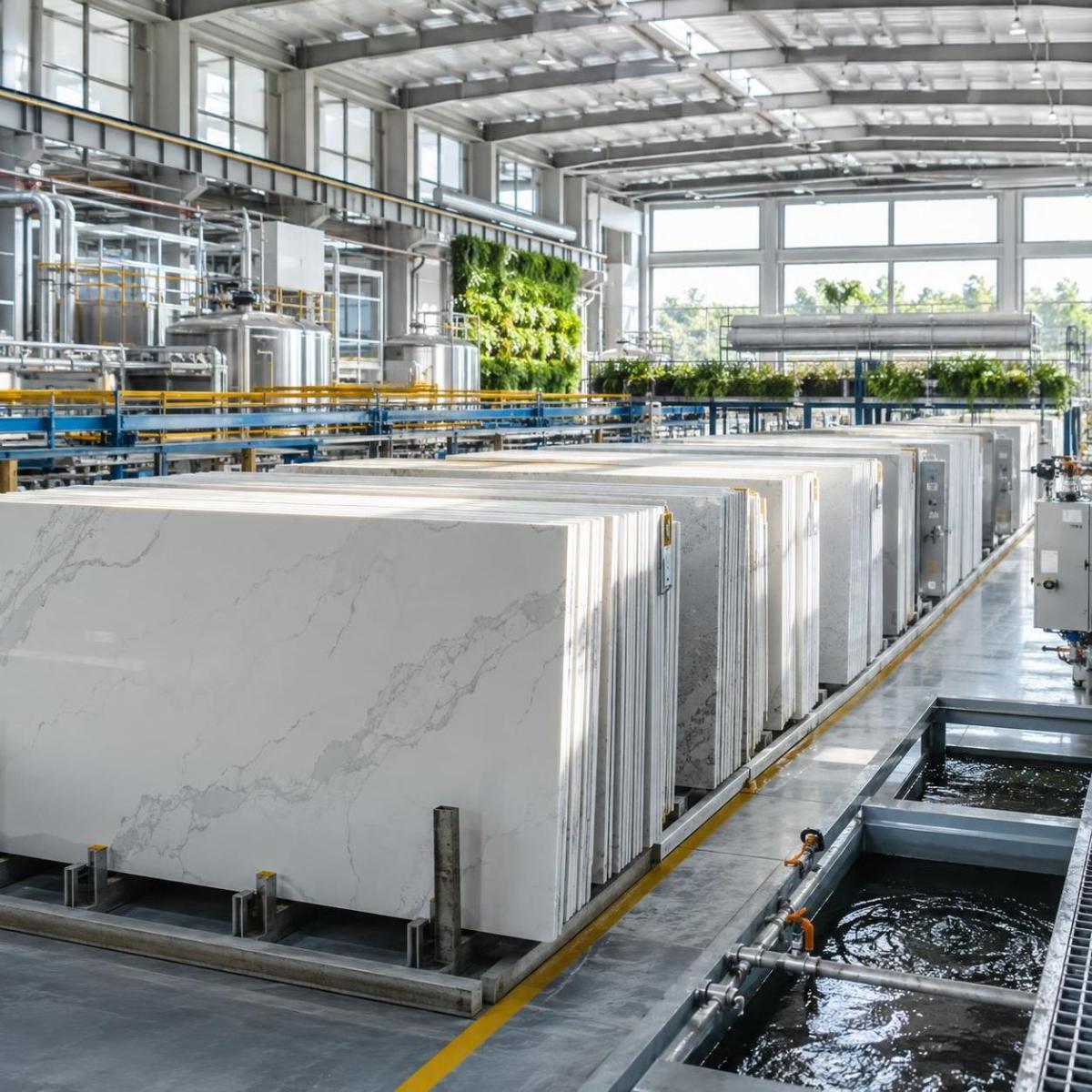
This is where simple yes-or-no answers usually fall apart. Engineered quartz stone has some environmental strengths, but it is not a perfect green material.
On the positive side, it is durable, low-maintenance, and long-lasting in the right application. Materials that last longer and do not need frequent replacement often perform better in practical sustainability terms than materials that sound natural but fail early or require intensive upkeep. Quartz surfaces also do not usually need repeated sealing treatments, which reduces maintenance chemicals over time.
Some manufacturers also use recycled mineral content or improve water and waste management during production. That can help, but the actual environmental value varies a lot by factory. It should be verified, not assumed.
On the other hand, engineered quartz is still an industrial product. It uses resin, requires energy-intensive manufacturing, and must be transported as a heavy slab material. Once you look at the full life cycle, it is hard to call it universally eco-friendly without qualification. A more honest conclusion is that it can be a relatively responsible choice when sourced from a manufacturer with transparent production standards and when used in a durable, long-service application.
Common misunderstandings worth clearing up
One common myth is that engineered quartz stone is “100% natural” because it contains quartz. That is not accurate. It contains a high proportion of natural mineral, but it is still a composite product.
Another misunderstanding is that “non-porous” means “indestructible.” Quartz is resistant to staining and daily wear, but it can still chip at edges, suffer heat damage, or show problems if poorly installed.
The third mistake is assuming all quartz products are equal. In practice, density, resin quality, pigmentation stability, and manufacturing consistency make a visible difference. Cheap slabs can look acceptable at first and still create problems later, especially in large projects where color matching and performance consistency matter.
When quartz makes sense, and when it does not
Engineered quartz stone is a sensible choice for kitchen countertops, vanity tops, reception desks, interior commercial counters, and many low-maintenance residential spaces. It works especially well for people who want a clean appearance, easy routine care, and predictable pattern consistency.
It may be less suitable for outdoor countertops, areas exposed to high UV levels, projects where direct heat abuse is common, or specifications that require the lowest possible synthetic content. In those cases, other stone or surface materials may deserve a closer look.
That distinction matters because buyers often ask whether quartz is “good” or “bad” in general. Building materials do not work that way. The better question is whether the material fits the use condition, the maintenance expectation, and the project’s environmental priorities.
What to check before you choose engineered quartz stone

If you are close to a buying decision, focus on a few practical checks:
- Ask whether the slab is intended for interior use only.
- Check whether the supplier can provide credible emissions or compliance information.
- Confirm who will fabricate and install it, and whether proper dust-control methods are used.
- Look at edge quality, slab consistency, and finish uniformity, not just color.
- Match the material to the actual use, especially around heat and sunlight.
These points sound basic, but they prevent most of the disappointment people later blame on the material itself.
So, is engineered quartz stone safe and eco-friendly? For everyday indoor use, it is generally a safe and practical material when it is well made, properly installed, and used where it belongs. Its environmental profile is more mixed: better than some people fear, but not automatically green. If you want to make a sound decision, judge engineered quartz stone by product quality, fabrication safety, and suitability for the space, not by broad marketing claims.
If indoor air quality and surface behaviour are part of your evaluation, Waterproof and Moisture-Proof Performance of Quartz Stone covers the material side and Why Choose Us for Your Quartz Slab Project summarises how we document it.
Related Articles
- Complete Engineered Quartz Slab Production Process
- Maintenance Guide for Quartz Countertops
- Quartz vs Granite: Pros and Cons for Project Use
- Can Quartz Countertops Be Used Outdoors?
Safe, Responsible Engineered Quartz From a Transparent Manufacturer
Our engineered quartz slabs are fully cured, non-porous, and produced with controlled resin systems and process discipline for stable, hygienic interior surfaces. We can provide product specifications and compliance information on request to support your project screening. Contact us for samples and documentation.
📱 WhatsApp: +86 198 6115 3736
📧 Email: raykelee@hyquartzslabfactory.com
Send Us A Message