
Quartz vs Granite: Pros and Cons for Project Use
Quartz vs Granite: Pros and Cons for Project Use
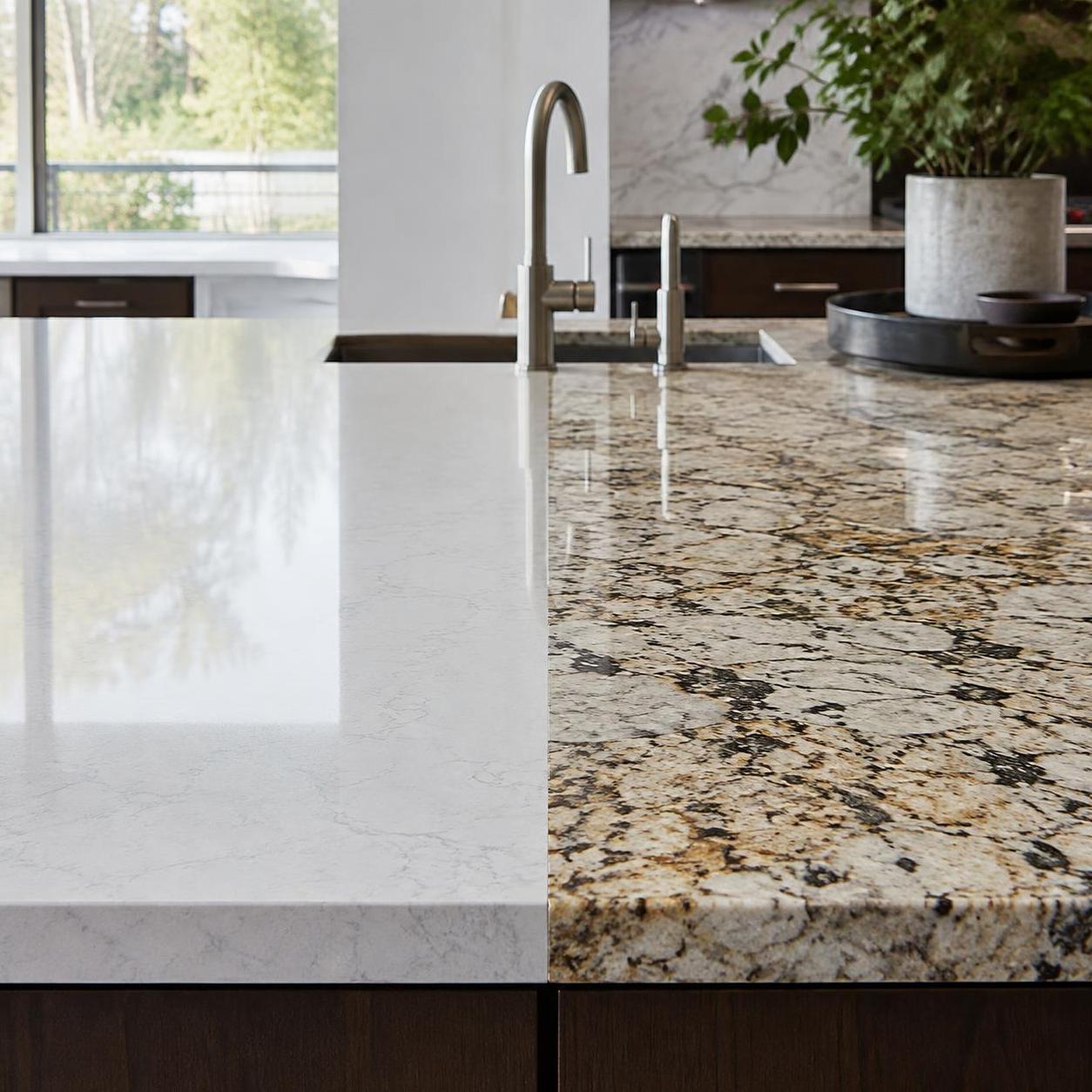
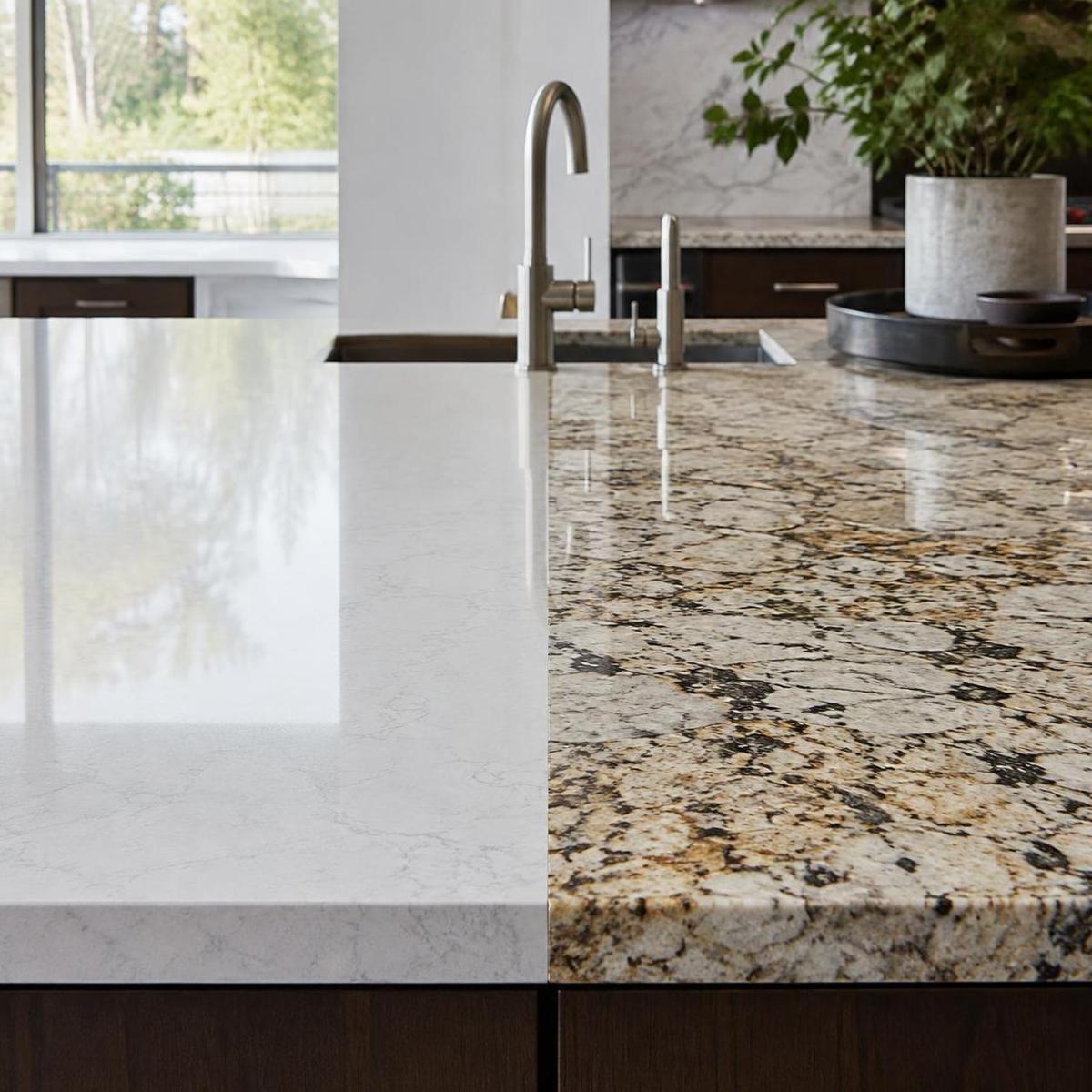
Quartz vs Granite: Pros and Cons for Project Use
When comparing quartz vs granite for project use, the right choice depends on performance, budget, and design goals. Both materials are widely used in building and decorative applications, but their pros and cons can affect durability, maintenance, appearance, and long-term value. This guide explores the key differences between quartz and granite to help contractors, designers, and project owners make a smarter material decision.
On paper, the comparison looks simple: one is engineered, the other natural. In actual projects, that distinction matters less than where the material will be installed, how it will be used, who will maintain it, and what level of visual consistency the design team expects. A hotel vanity top, a residential kitchen island, a retail wall finish, and a busy commercial reception desk do not place the same demands on stone.
The basic difference that drives everything else
Granite is a natural stone cut from quarried blocks, then processed into slabs or tiles. Its color, veining, mineral pattern, and movement vary from piece to piece. That uniqueness is often the reason specifiers choose it.
Quartz surfaces used in interiors are typically engineered materials made from crushed quartz combined with resins and pigments. The result is a more controlled appearance and, in many cases, a less porous surface than many natural stones. For project teams, that usually means easier color matching across multiple units or phases.
This difference affects not only aesthetics, but also fabrication, replacement planning, maintenance expectations, and even how claims are handled when delivered slabs do not look like showroom samples.
Where quartz usually has the advantage
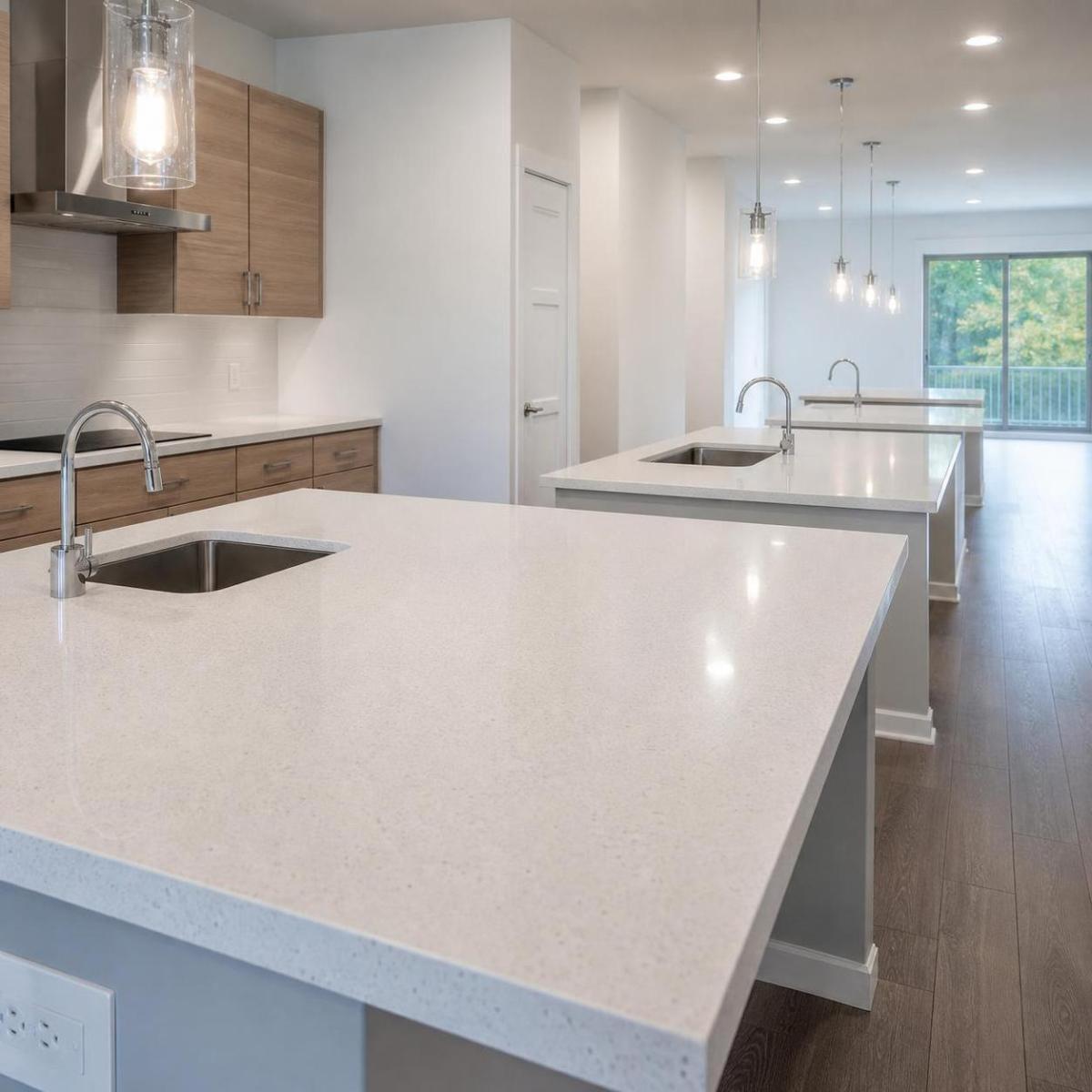
Quartz is often preferred in projects that need visual consistency. In multi-unit residential developments, branded retail fit-outs, and hospitality spaces where repeatability matters, engineered quartz can simplify approvals. A mockup approved early in the project is generally closer to the final installed result than it would be with granite.
Maintenance is another reason quartz is frequently specified. Because it is typically non-porous or less porous than many natural stones, it is generally easier to keep clean and does not usually require periodic sealing in the same way granite often does. For operators managing many rooms or units, that is not a small detail. Lower maintenance complexity can reduce coordination issues after handover.
Quartz also performs well where a clean, contemporary look is the goal. Fine grain whites, uniform greys, concrete-inspired tones, or marble-look surfaces can be easier to source in a consistent batch. That can help when a project needs a controlled palette instead of high natural variation.
Still, quartz is not automatically the safer choice. Its resin content means heat resistance should be checked carefully against the application. For interior countertops this is usually manageable with good use practices, but direct high heat exposure can be a concern. Outdoor use is another area that needs caution, since some quartz products may not be suitable for UV-exposed environments. This is something that should always be confirmed against the manufacturer’s technical data and local installation conditions.
Why granite remains relevant in serious projects
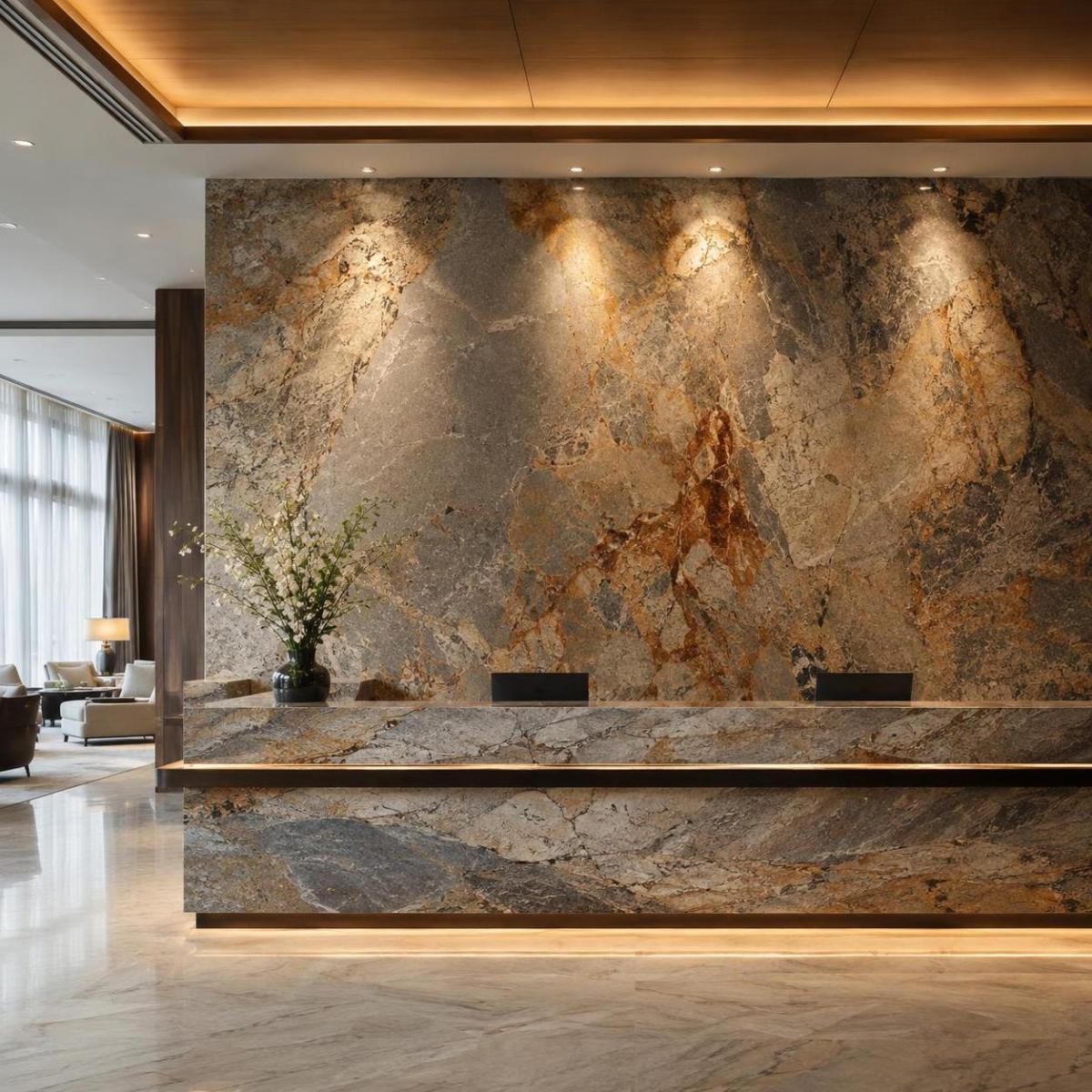
Granite still earns its place because natural stone offers something engineered surfaces do not fully replicate: depth, variation, and geological character. In high-visibility lobbies, premium residences, feature walls, and custom kitchens, that authenticity can justify the extra coordination.
It is also commonly valued for heat resistance. In applications where hot cookware, sunlight, or heavier surface stress may be part of daily use, granite can be the more forgiving material. That does not remove the need for proper care, but it can broaden the margin for error in real-world operation.
Granite’s drawbacks are mostly about variability and maintenance. Slab-to-slab differences are normal, and some stones can show stronger movement or color shifts than expected. If the procurement team buys based on a small sample rather than slab approval, disappointment is common. Porosity also varies by stone type, so sealing requirements and stain resistance are not identical across all granite products. General statements about “granite” often ignore that reality.
Project decisions are rarely about material alone
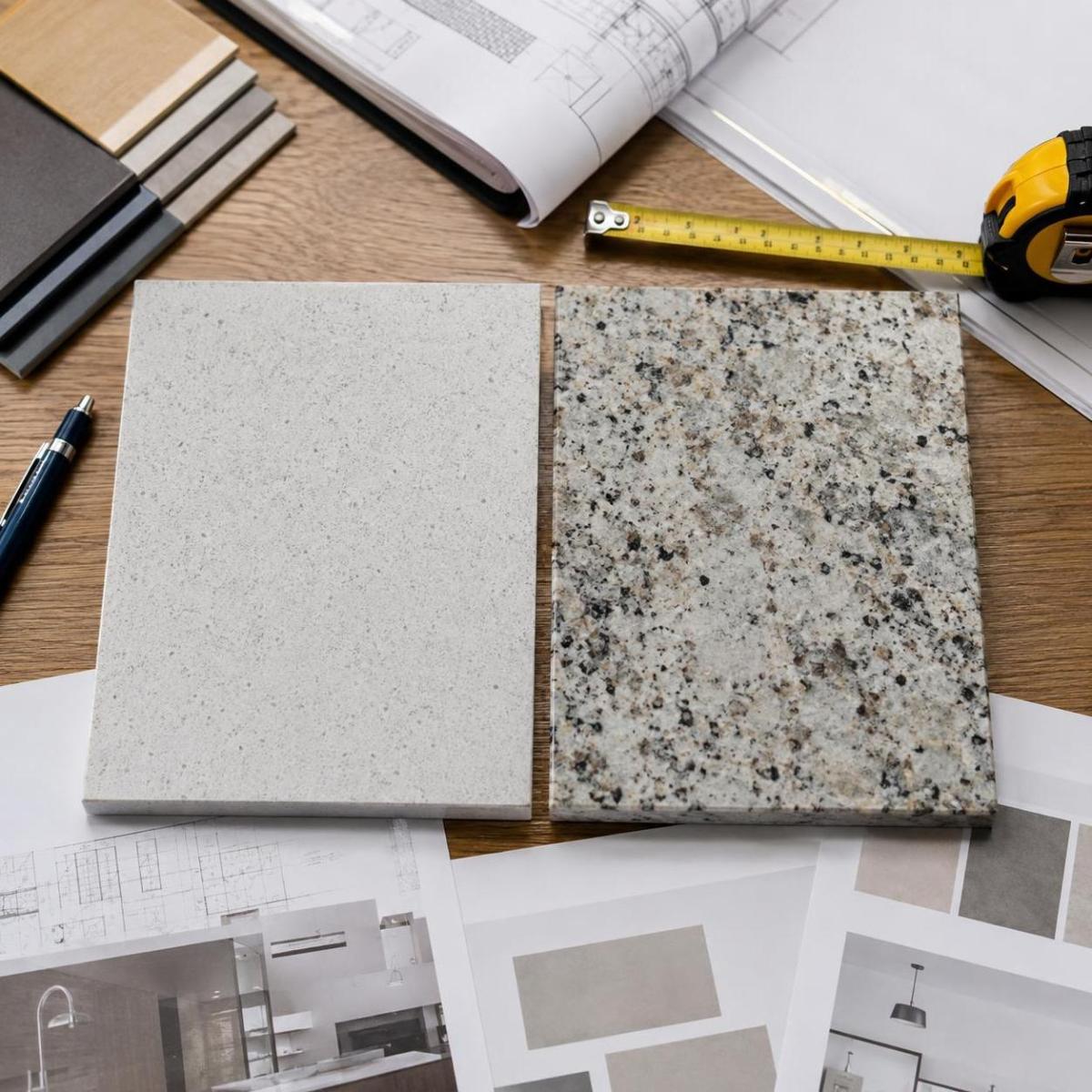
A useful comparison should go beyond hardness, stain resistance, and appearance. In project use, the practical questions are different.
If the project has many repeated units, quartz often reduces approval friction. If the design intent relies on natural material expression, granite may be worth the extra effort. Neither choice is wrong; the mistake is selecting one based only on showroom appeal.
Common specification mistakes
One frequent issue is assuming all quartz products perform the same way. They do not. Surface finish, resin formulation, thickness, fabrication quality, and installation conditions all influence performance. Another common mistake is treating all granite as difficult to maintain, when in reality some granites are denser and less problematic than others.
There is also the matter of edge details, cutouts, and support. A material may be suitable in general but fail at weak points if spans, sink openings, or unsupported overhangs are not properly designed. That is not a quartz-versus-granite problem alone; it is a coordination problem between specification, fabrication, and installation.
For international projects, supply chain timing matters too. Quartz lines are often easier to standardize over multiple shipments, while granite selection may depend more heavily on current quarry output and available blocks. For phased developments, this can affect not just cost, but also whether later phases still match earlier installations.
How to make the choice with fewer surprises
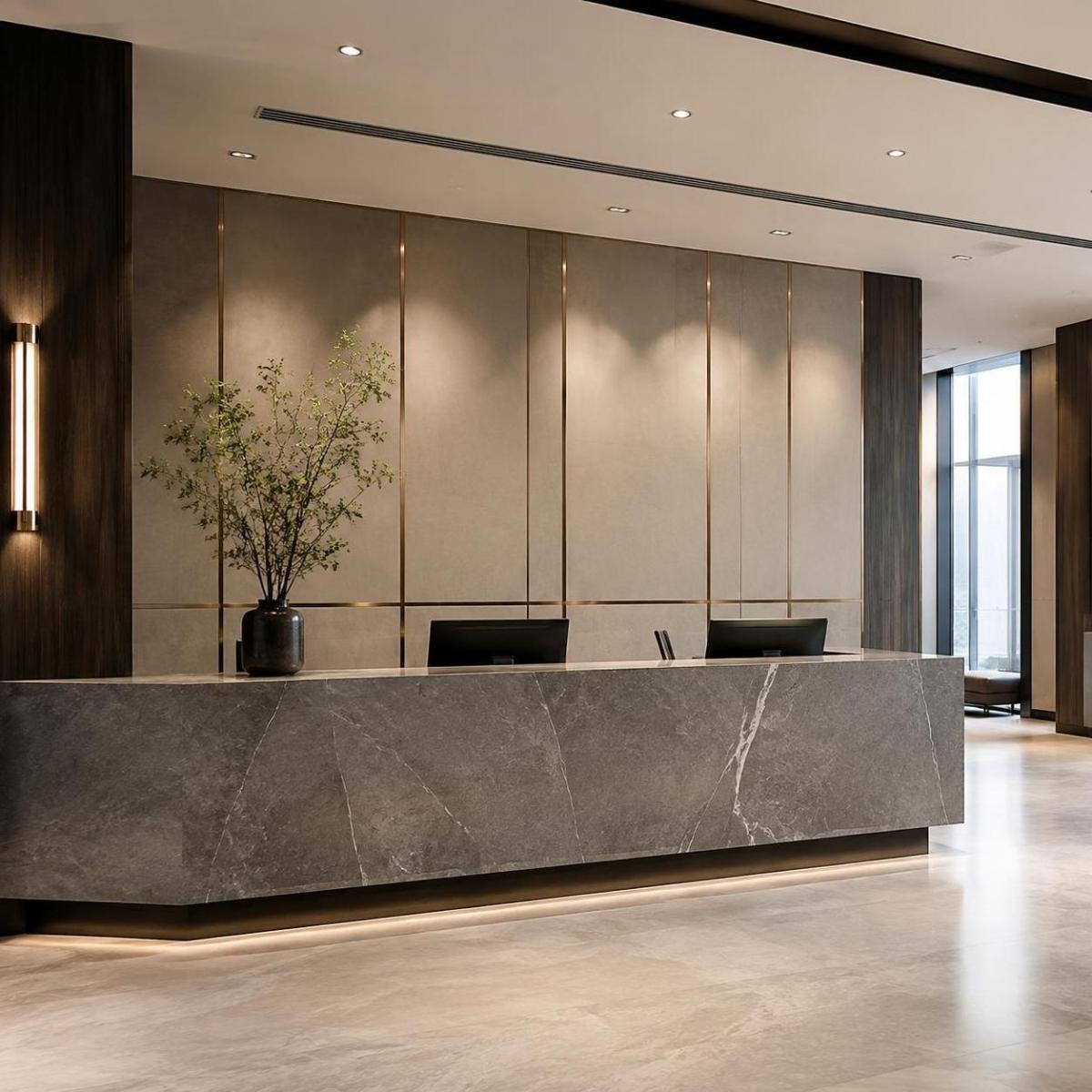
A better material decision usually comes from asking a few blunt questions early:
- Is visual uniformity more important than natural character?
- Will the surface face heavy staining, heat, or outdoor exposure?
- Who is responsible for long-term maintenance after handover?
- Does the project need slab approval rather than sample approval?
- Are replacement and future phase matching likely to matter?
If the answers point toward repeatability, lower maintenance, and a controlled look, quartz is often the easier path. If they point toward natural variation, stronger heat tolerance, and premium stone character, granite may be the better fit.
In the end, quartz vs granite is not a contest with one winner. It is a specification decision shaped by use conditions, finish expectations, maintenance capacity, and procurement discipline. Before finalizing either option, it is worth reviewing technical sheets, confirming application limits, and approving the actual material in the context of the project rather than in isolation. That step usually prevents more trouble than any sales comparison ever will.
For commercial specifications, Commercial Quartz for Shopping Mall and Front Desk Counter and Anti-Scratch Quartz for High-Frequency Usage Spaces show where each material tends to end up in practice.
If your comparison is really between quartz and marble instead, our breakdown of quartz vs marble for kitchen countertops runs the same durability, maintenance and cost checks side by side.
If the countertop you are weighing against granite is a porcelain slab or sintered stone, our quartz vs porcelain and sintered stone comparison runs the same durability, fabrication and installed-cost checks in the same format.
Budget materials are part of the same conversation — our quartz vs laminate comparison covers durability, cost and lifetime value head-to-head.
Related Articles
- Quartz vs Marble: Which Is Better for Kitchen Countertops?
- How We Control Color Difference in Bulk Quartz Orders
- Can Quartz Countertops Be Used Outdoors?
- High-Temperature and Freeze Resistance of Engineered Quartz
Engineered Quartz for Consistent, Repeatable Project Delivery
We supply engineered quartz slabs with controlled batch consistency, uniform color and finish, non-porous easy-care surfaces, and reliable repeat-order matching, ideal for multi-unit residential, hospitality, branded retail, and commercial fit-out projects. Contact us for samples, technical sheets, and project pricing.
📱 WhatsApp: +86 198 6115 3736
📧 Email: raykelee@hyquartzslabfactory.com
Send Us A Message