
High‑Temperature and Freeze Resistance of Engineered Quartz
High‑Temperature and Freeze Resistance of Engineered Quartz
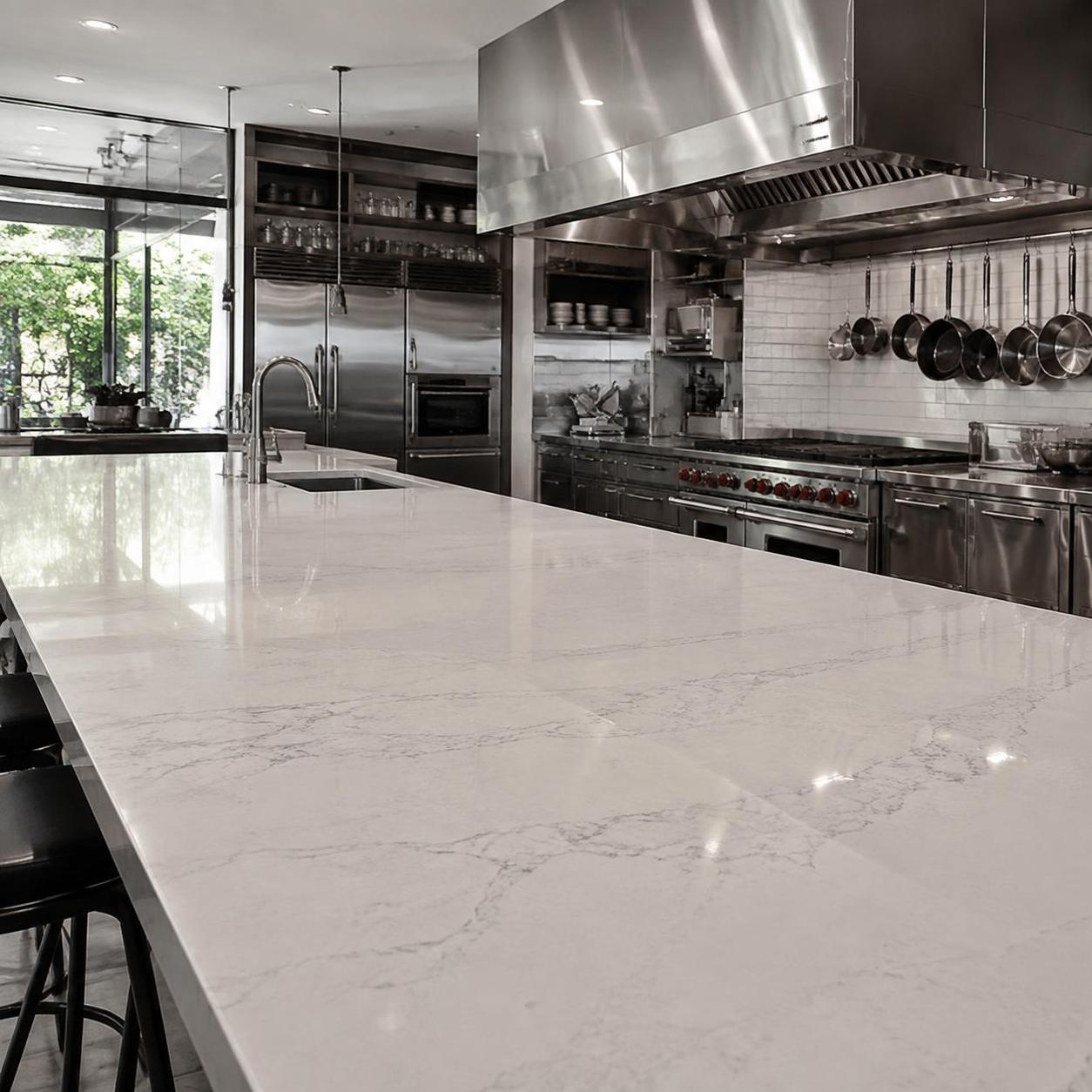
Engineered Quartz Heat and Freeze Resistance: What Buyers Should Know
In building and decorative materials, engineered quartz is valued not only for its elegant appearance but also for its reliable performance under extreme conditions. Its high-temperature and freeze resistance make it a practical choice for kitchens, bathrooms, outdoor applications, and other demanding environments. Understanding how engineered quartz responds to heat and cold helps designers, builders, and homeowners choose surfaces that combine durability, safety, and long-term visual appeal.
When people search for the high-temperature and freeze resistance of engineered quartz, they usually want a practical answer: can this material handle real-life heat and cold without cracking, warping, or losing its appearance? The short answer is yes, within clearly defined limits.
Engineered quartz performs well in normal residential and commercial environments. It resists brief contact with moderate heat, tolerates low temperatures better than many decorative materials, and maintains a stable, dense surface. However, it is not indestructible, and extreme thermal shock remains its main risk.
What Readers Usually Need to Know First
The most important point is that engineered quartz is durable, but it should not be treated like solid natural stone or industrial ceramic. It is made from quartz particles combined with polymer resins and pigments, and those binders affect how the slab reacts to temperature changes.
For kitchens, bathrooms, wall cladding, vanity tops, and many indoor commercial surfaces, engineered quartz offers dependable performance. For direct outdoor exposure in freezing winters, strong summer sun, or repeated heat shock, buyers should evaluate the specific product carefully instead of assuming all quartz surfaces behave the same way.
This distinction matters because many surface failures are not caused by ordinary use. They are often linked to poor installation, direct contact with very hot cookware, inadequate support, or outdoor use beyond the product's intended temperature range.
How Engineered Quartz Handles High Temperatures
Engineered quartz is generally considered heat resistant, but not heat proof. In daily use, it performs well against warm dishes, steam, and common kitchen activity. The surface remains stable and attractive under typical indoor conditions, which is why it is widely used for countertops and worktops.
The limitation comes from the resin content. Quartz itself is highly stable, but the resin matrix can discolor, weaken, or deform if exposed to excessive heat for too long. A hot pan taken directly from a stove or oven can create localized thermal stress that damages the surface.
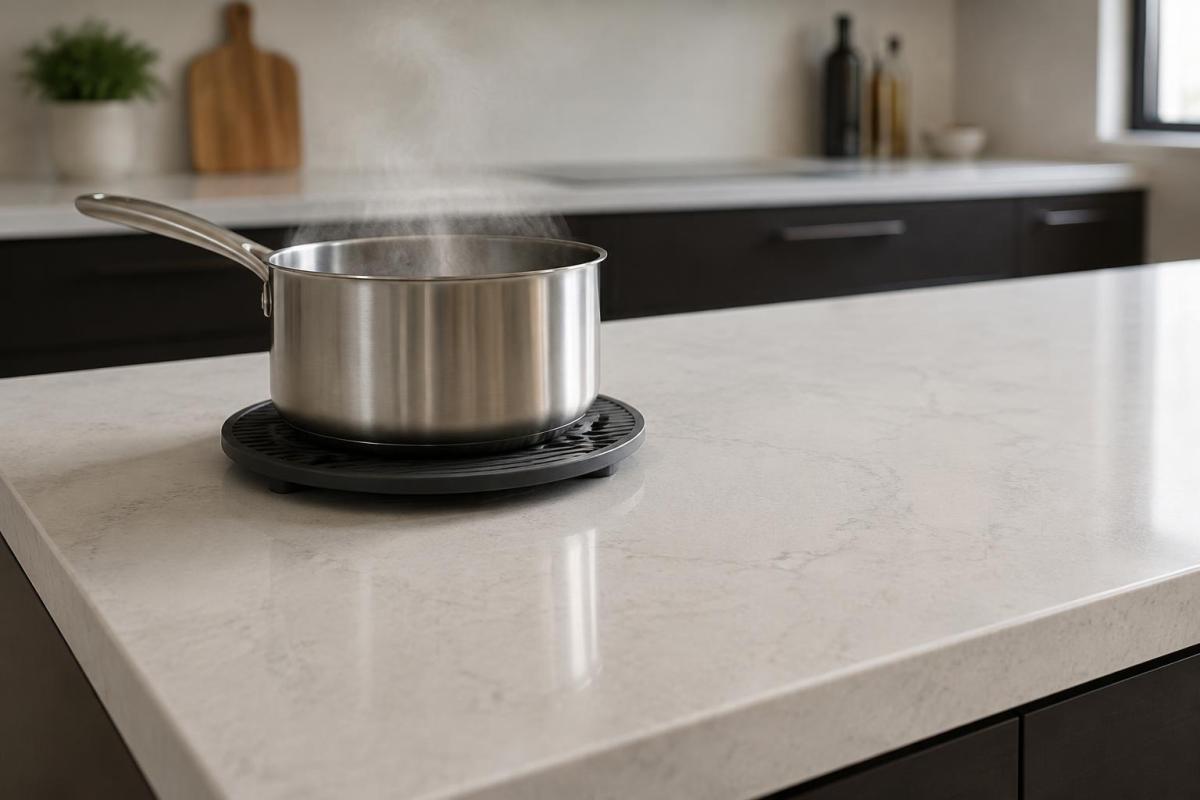
That is why fabricators and surface suppliers usually recommend trivets or heat pads. This is not a sign of weak performance. It is simply the correct usage standard for preserving appearance and preventing burn marks, resin discoloration, or small cracks caused by sudden temperature concentration.
In practical terms, engineered quartz handles routine cooking environments well. It is suitable for busy kitchens, hospitality interiors, and food service counters where heat exposure is controlled. It is less suitable where direct high-heat contact happens frequently and protective habits are unlikely.
What Freeze Resistance Really Means in Practice
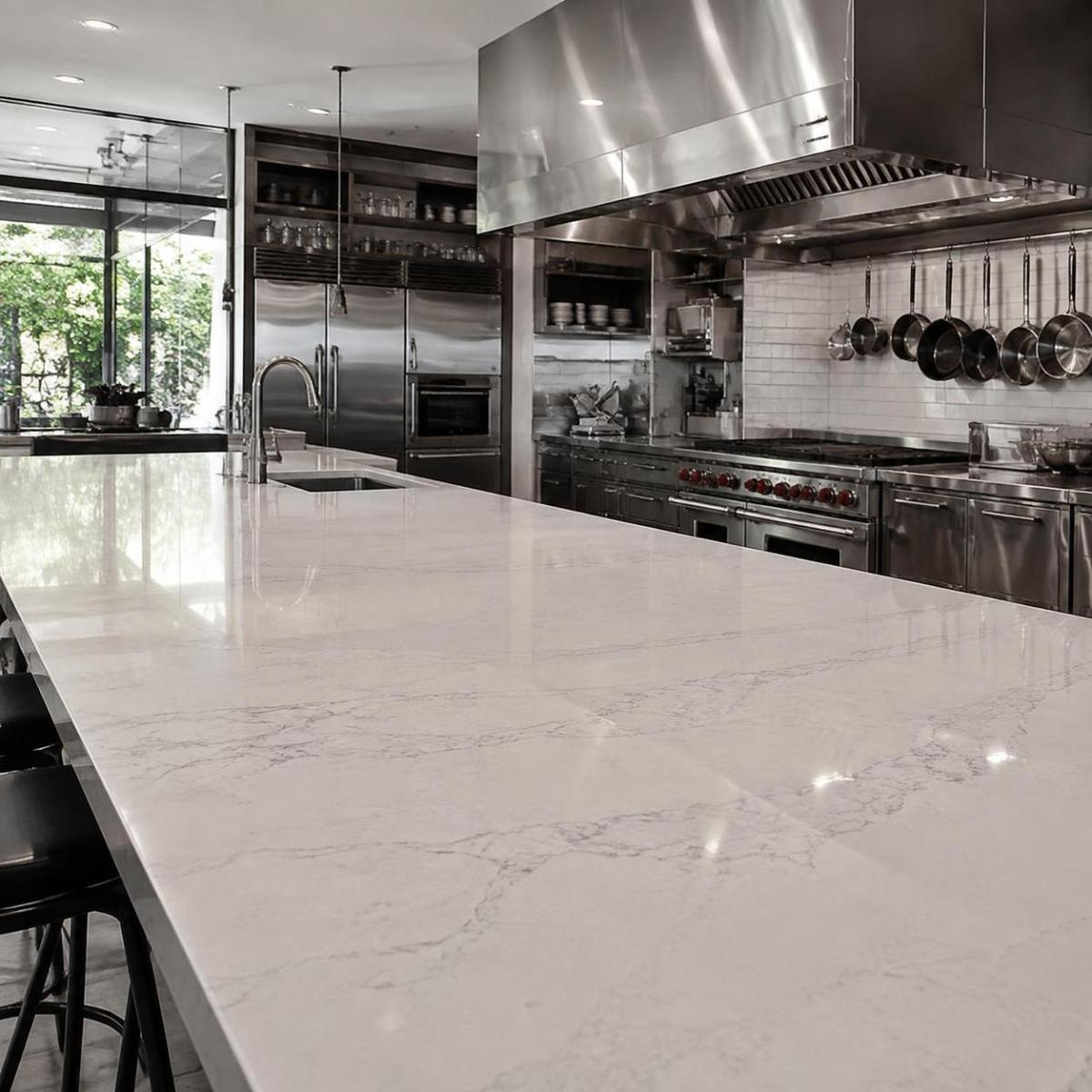
Freeze resistance is often misunderstood. Because engineered quartz has a dense, non-porous structure, it absorbs very little moisture. That gives it an advantage in cold conditions, since water penetration is one of the main causes of freeze-thaw damage in porous materials.
In bathrooms, enclosed balconies, laundry areas, and other intermittently cold spaces, this low absorption helps engineered quartz maintain its integrity. The surface is less likely to suffer from internal expansion caused by trapped moisture freezing beneath the finish.
However, freeze resistance does not automatically mean unrestricted exterior use in every climate. Outdoor conditions combine cold, UV exposure, moisture cycling, and large day-night temperature swings. These combined stresses can affect color stability, resin aging, and long-term structural consistency.
For this reason, freeze resistance should be judged together with weather resistance, UV stability, and installation design. A quartz slab may resist cold itself, yet still face performance issues outdoors if the adhesive, substrate, edge detailing, or product formulation is not intended for exterior conditions.
Why Thermal Shock Is More Important Than Absolute Temperature
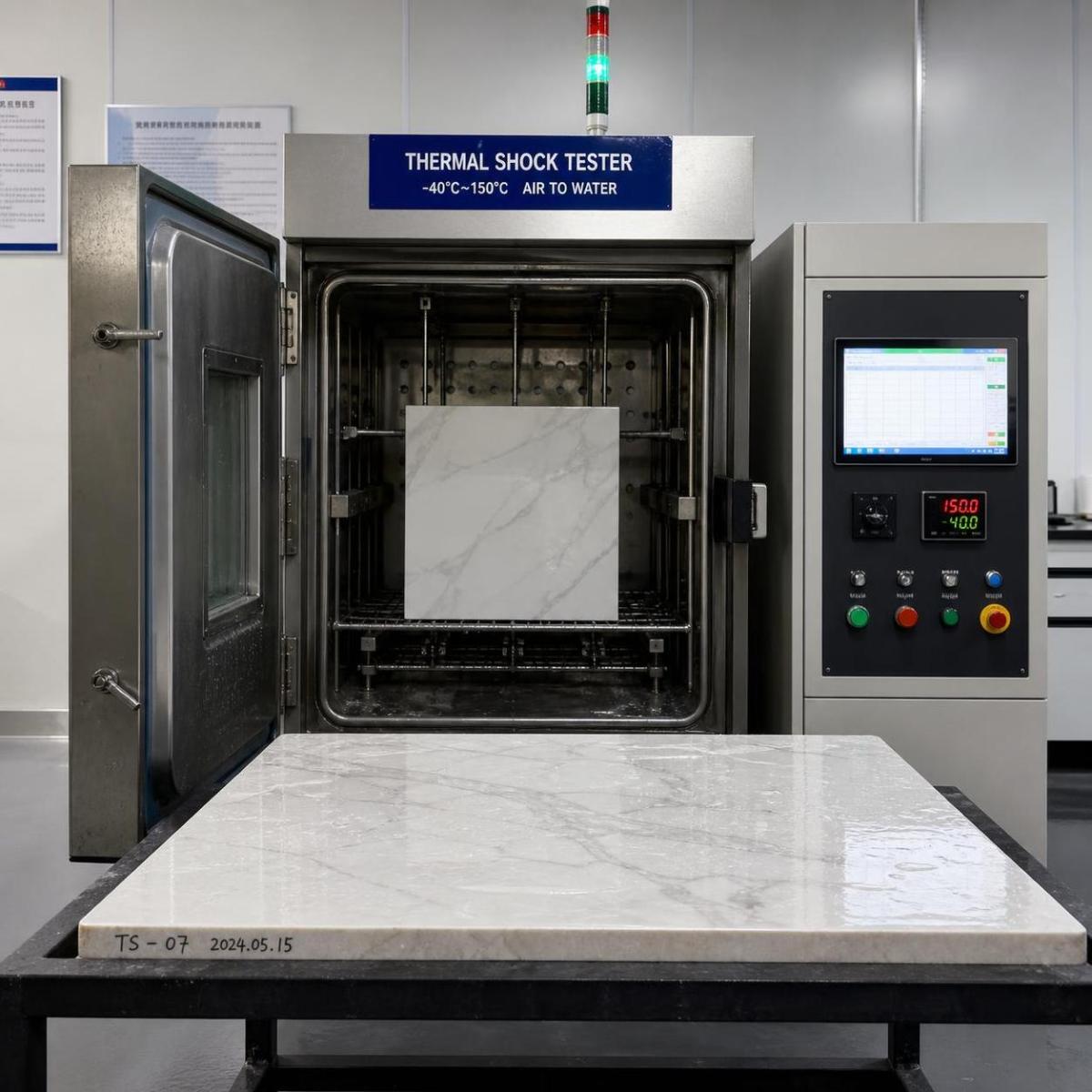
One of the most useful ways to evaluate engineered quartz is to focus on thermal shock rather than only maximum heat or minimum cold. Thermal shock happens when a surface experiences a rapid temperature change in one area while the rest of the slab remains at a different temperature.
A common example is placing a very hot pot on a cool countertop. Another is installing quartz in a location where intense sunlight heats part of the surface while adjacent areas remain cold. These uneven changes create internal stress that can eventually lead to cracking or distortion.
The same principle applies in freezing environments. If a slab is exposed to repeated freeze-thaw cycles while attached to an unstable substrate, movement stress may increase. In other words, performance depends not only on the slab material, but also on the full system around it.
For buyers and specifiers, this is a more useful decision framework than asking whether quartz is simply heat resistant or freeze resistant. The right question is whether the intended environment creates rapid, repeated, or uneven temperature stress.
Best Applications for Engineered Quartz in Hot and Cold Environments
Engineered quartz is a strong choice for indoor kitchen countertops, bathroom vanities, reception desks, wall panels, window surrounds, and commercial work surfaces. In these settings, it offers an excellent balance of aesthetics, hygiene, stain resistance, and reliable temperature performance.
It is especially valuable where designers want a consistent pattern, low maintenance, and easy cleaning. Compared with some natural materials, engineered quartz provides more predictable appearance and simpler upkeep while still delivering the premium look expected in modern architectural interiors.
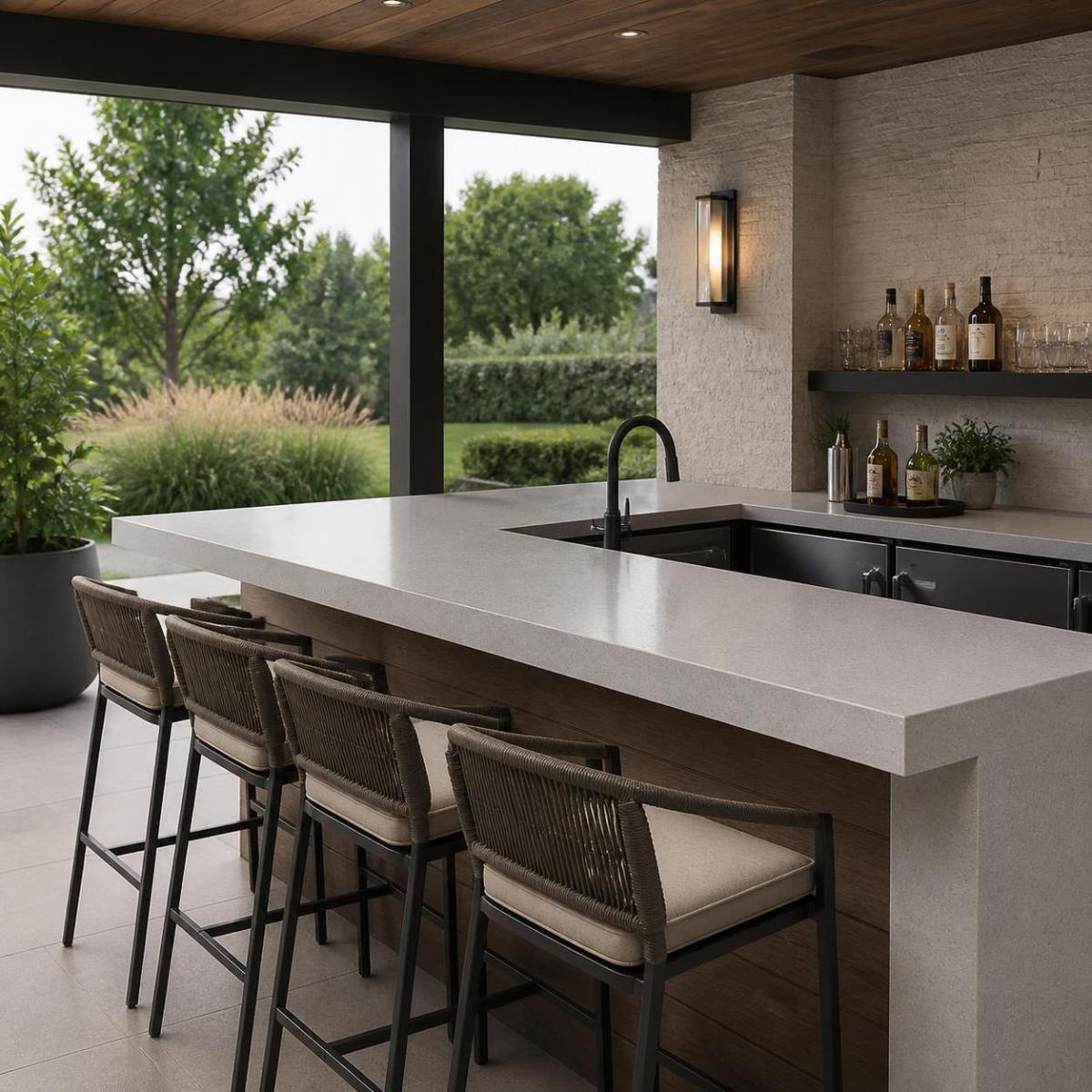
In semi-exposed or outdoor settings, suitability becomes more project specific. Covered outdoor kitchens, sheltered bar counters, and enclosed terraces may be feasible if the product is explicitly rated for that use and local climate conditions are moderate rather than extreme.
For fully exposed installations in regions with intense sun, heavy frost, or rapid seasonal changes, decision makers should verify technical data carefully. In many such cases, porcelain or other exterior-focused materials may offer a more conservative solution.
How to Judge Product Quality Before Specifying It
Not all engineered quartz products perform equally. Manufacturing quality, resin system, quartz content, curing control, and slab consistency all influence how well the surface handles temperature stress over time. This is why brand quality and technical documentation matter.
Specifiers should look for product data on heat resistance, water absorption, dimensional stability, and recommended application areas. If the intended use includes cold exposure or high thermal variation, requesting performance testing information is a sensible step rather than an unnecessary formality.
It is also important to ask whether the manufacturer distinguishes between indoor-only and indoor-outdoor collections. Some products are optimized for decorative interiors and may not be designed for exterior performance, even if their appearance suggests broader versatility.
For contractors and project managers, warranty language is equally important. If a manufacturer excludes damage from direct heat, weathering, or freeze-thaw exposure, that tells you where the practical limits are and helps avoid specification mistakes later.
Installation and Maintenance Factors That Affect Temperature Performance
Even a high-quality slab can underperform when installation is poor. Uneven support, weak adhesive selection, insufficient expansion allowance, and badly designed seams can all increase stress when temperatures rise or fall. Material performance should always be evaluated as part of the installed assembly.
For countertop use, proper support near cutouts and edges helps reduce the risk of cracking under combined weight and heat stress. For wall or façade-related applications, compatible substrates and movement accommodation become more important, especially in environments with seasonal temperature shifts.
Maintenance also plays a role in long-term appearance. Although engineered quartz is low maintenance, users should still avoid direct high-heat contact, sudden temperature shock, and harsh treatment that adds unnecessary stress. Good care habits preserve both function and finish.
These recommendations are practical rather than restrictive. They do not reduce the value of engineered quartz. Instead, they define the conditions under which the material performs best and delivers the long service life buyers expect.
Final Assessment: Is Engineered Quartz a Reliable Choice?
Yes, engineered quartz is a reliable material for many interior building and decorative applications where heat and cold are part of normal use. Its dense structure, low water absorption, and stable appearance make it a strong option for kitchens, bathrooms, and commercial interiors.
Its real strength is balanced performance. It combines beauty, hygiene, stain resistance, and reasonable tolerance to temperature variation. At the same time, it requires informed use, especially where direct high heat, thermal shock, or severe outdoor freeze-thaw exposure may occur.
The best decision is not based on a generic claim that quartz is resistant to everything. It is based on matching the product grade, installation method, and environment. When that match is correct, engineered quartz delivers lasting value, dependable performance, and a refined finished appearance.
For designers, builders, and homeowners, that is the key takeaway: engineered quartz is highly practical under demanding conditions, but its temperature resistance should be understood in real application terms. Clear specification and correct use are what turn a good-looking surface into a durable long-term investment.
Thermal performance matters most in exposed applications, which is why Can Quartz Countertops Be Used Outdoors sets out the practical limits, and Waterproof and Moisture-Proof Performance of Quartz Stone covers the moisture side.
Related Articles
- Can Quartz Countertops Be Used Outdoors?
- How Long Does Engineered Quartz Slab Last?
- Why Does Quartz Stone Warp and How We Control It
- Maintenance Guide for Quartz Countertops
Temperature-Stable Quartz Slabs With Dense, Low-Absorption Structure
Our engineered quartz slabs are built with a stable resin system, controlled curing, and a dense non-porous structure for reliable performance against everyday heat, low temperatures, and thermal stress in interior applications. Contact us for technical data, application guidance, samples, and project pricing.
📱 WhatsApp: +86 198 6115 3736
📧 Email: raykelee@hyquartzslabfactory.com
Send Us A Message