
How Long Does Engineered Quartz Slab Last
How Long Does Engineered Quartz Slab Last
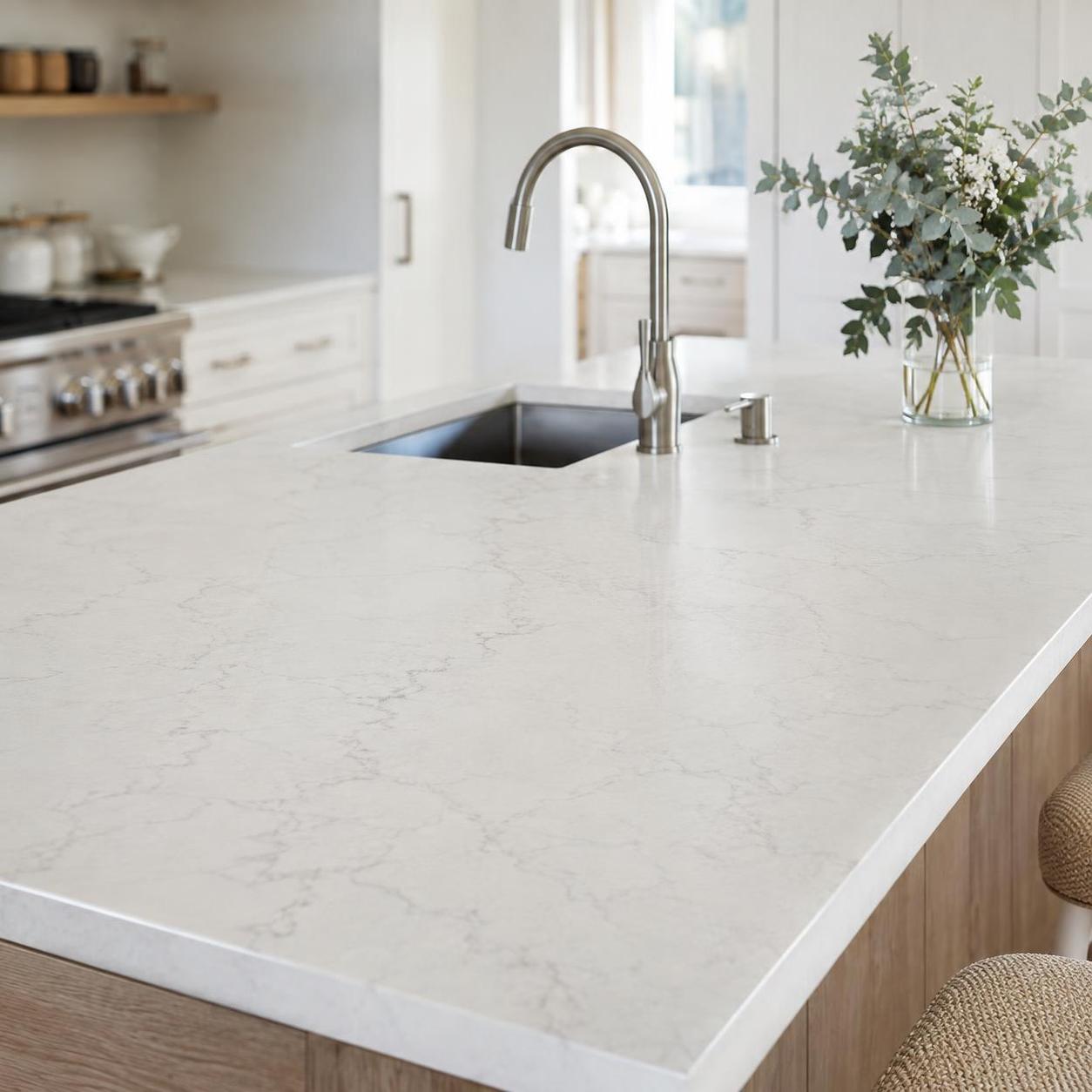
How Long Does an Engineered Quartz Slab Last in Real Projects
Engineered quartz slab usually lasts decades. In normal residential use, a well-made slab that is properly installed and reasonably cared for can stay attractive and functional for 15 to 30 years or longer. That is the short answer most people want. The longer answer is that quartz life is not decided by the material alone. It depends just as much on heat exposure, fabrication quality, cabinet support, seam handling, and day-to-day habits.
A lot of people ask this question when choosing a kitchen countertop, bathroom vanity, wall cladding, or reception desk. What they really want to know is not just whether quartz is “durable,” but whether it will still look good after years of real use. That is the right way to frame it, because engineered quartz rarely fails all at once. More often, it shows age through edge chips, surface dulling in high-use spots, staining from neglected spills, or damage caused by heat and poor installation.
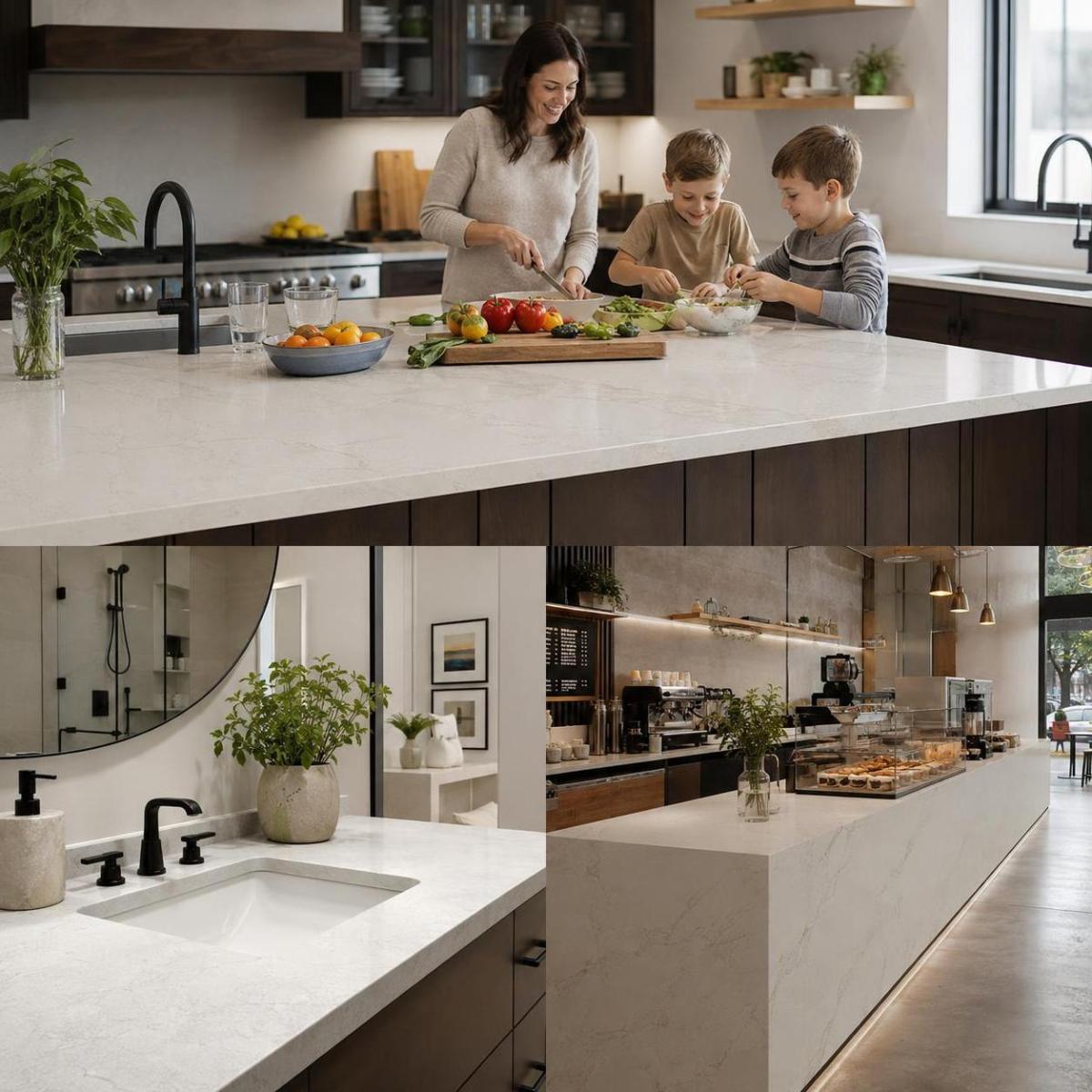
What engineered quartz slab lifespan looks like in real spaces
In most homes, engineered quartz performs very well over the long term. Kitchen countertops see the hardest use, so they are the best test. If the slab is from a reliable manufacturer, fabricated correctly, and installed on level, well-supported cabinetry, it can hold up for many years without major changes in appearance.
Bathrooms are usually easier on quartz. Vanity tops, splash areas, and decorative wall applications often last even longer because they deal with less impact and less heat. Commercial spaces are different. A hotel vanity may age slowly, but a cafe counter or retail worktop with constant traffic can show wear sooner, especially around corners, seams, and service points.
So when someone asks, “How long does engineered quartz slab last?” the practical answer is this: long enough to be a true long-term surface, but only if the installation and use conditions make sense.
The material is durable, but it is not indestructible
One common mistake is treating quartz like it can handle anything. It is a strong, engineered surface made from natural quartz particles combined with resins and pigments. That structure gives it good scratch resistance, a dense non-porous surface, and consistent color. It also explains its weak point: heat.
Quartz generally handles everyday kitchen use well, but it does not like sudden or extreme heat. A hot pan taken straight from the stove or oven can damage the resin component, sometimes causing discoloration, surface marks, or even cracking. This is one of the main reasons a quartz top can look older than it should.
Impact is another issue people underestimate. The flat surface is usually tough, but edges and corners are more vulnerable. Heavy cookware, dropped tools, or hard knocks during moving and maintenance can chip them.
What affects how long engineered quartz slab lasts
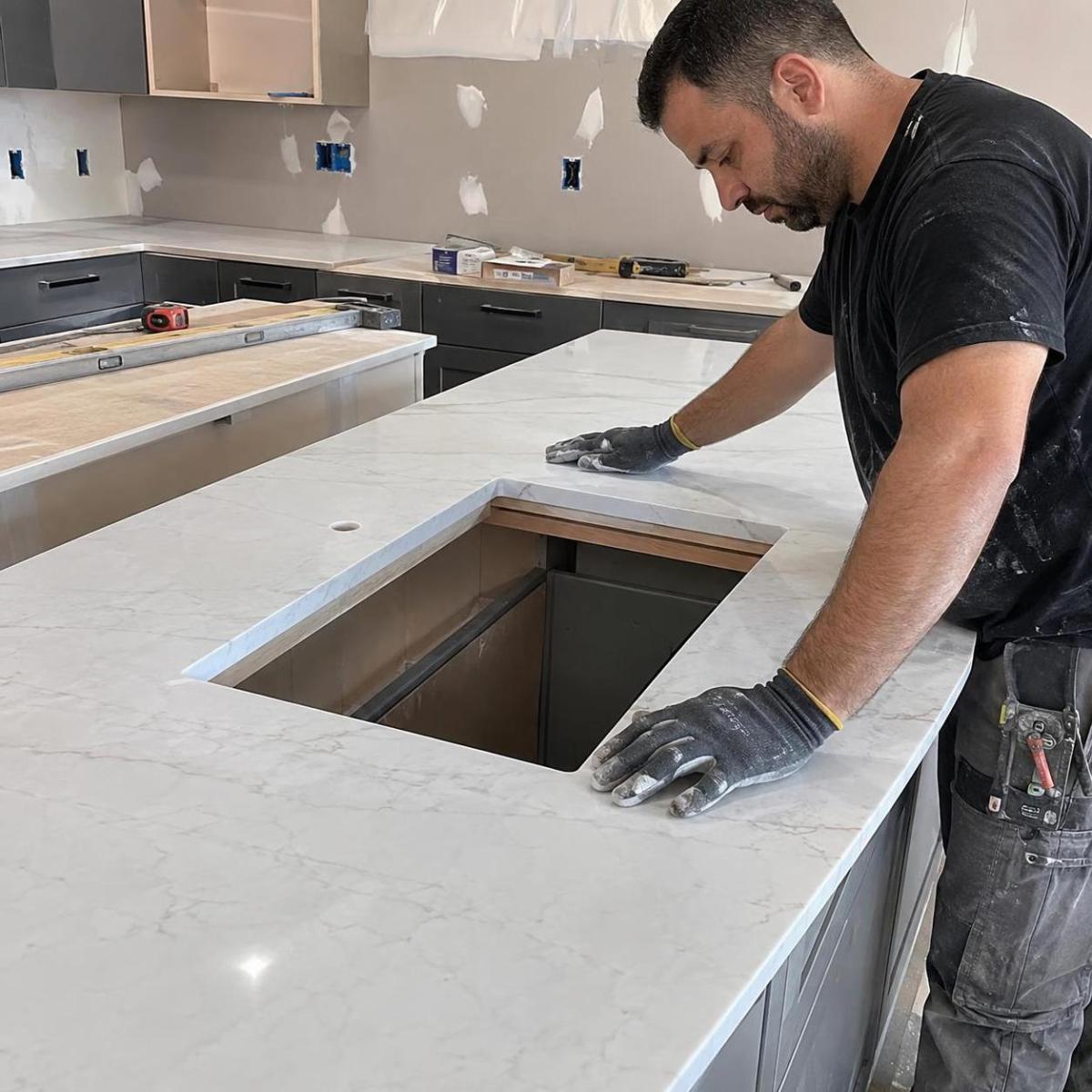
In practice, five factors matter more than marketing claims.
1. Slab quality. Not all engineered quartz is produced to the same standard. Better slabs usually have more consistent density, tighter quality control, and more stable pigments and resin distribution. Poorer-quality material may be more prone to warping, uneven finish, or early discoloration.
2. Fabrication quality. Good raw material can still perform badly if it is cut or finished carelessly. Weak sink cutouts, rushed polishing, rough seam work, and poorly reinforced overhangs are all common failure points.
3. Installation conditions. This is where many long-term problems begin. Cabinets must be level and structurally sound. Unsupported spans, stress near cooktops or sinks, and bad seam placement can lead to cracks later. The slab may get blamed, but the issue often starts below it.
4. Daily use habits. Using trivets, wiping spills, and avoiding direct impact extends life more than people expect. Quartz is low-maintenance, not no-maintenance.
5. Application choice. Quartz is excellent for many interior surfaces, but it is not the right answer for every location. Some quartz products are not suitable for prolonged outdoor UV exposure, and some are a poor fit for heavy-heat work zones unless the user is careful.
Where quartz ages well, and where it may not
Quartz is a strong fit for residential kitchens, bathroom vanities, feature walls, window sills, and many indoor commercial counters. It works especially well where people want a clean look, low porosity, and easy cleaning.
It is less ideal in a few cases. Outdoor kitchens are one. Depending on the product, long-term sunlight can affect color stability, and temperature swings can be hard on the material. Another caution area is around people who regularly place hot cookware directly on the surface. If that habit is not going to change, a more heat-tolerant material may be a better choice.
This is an important distinction. A material can be high quality and still be the wrong fit for a certain use pattern.
Signs a quartz slab is aging too early
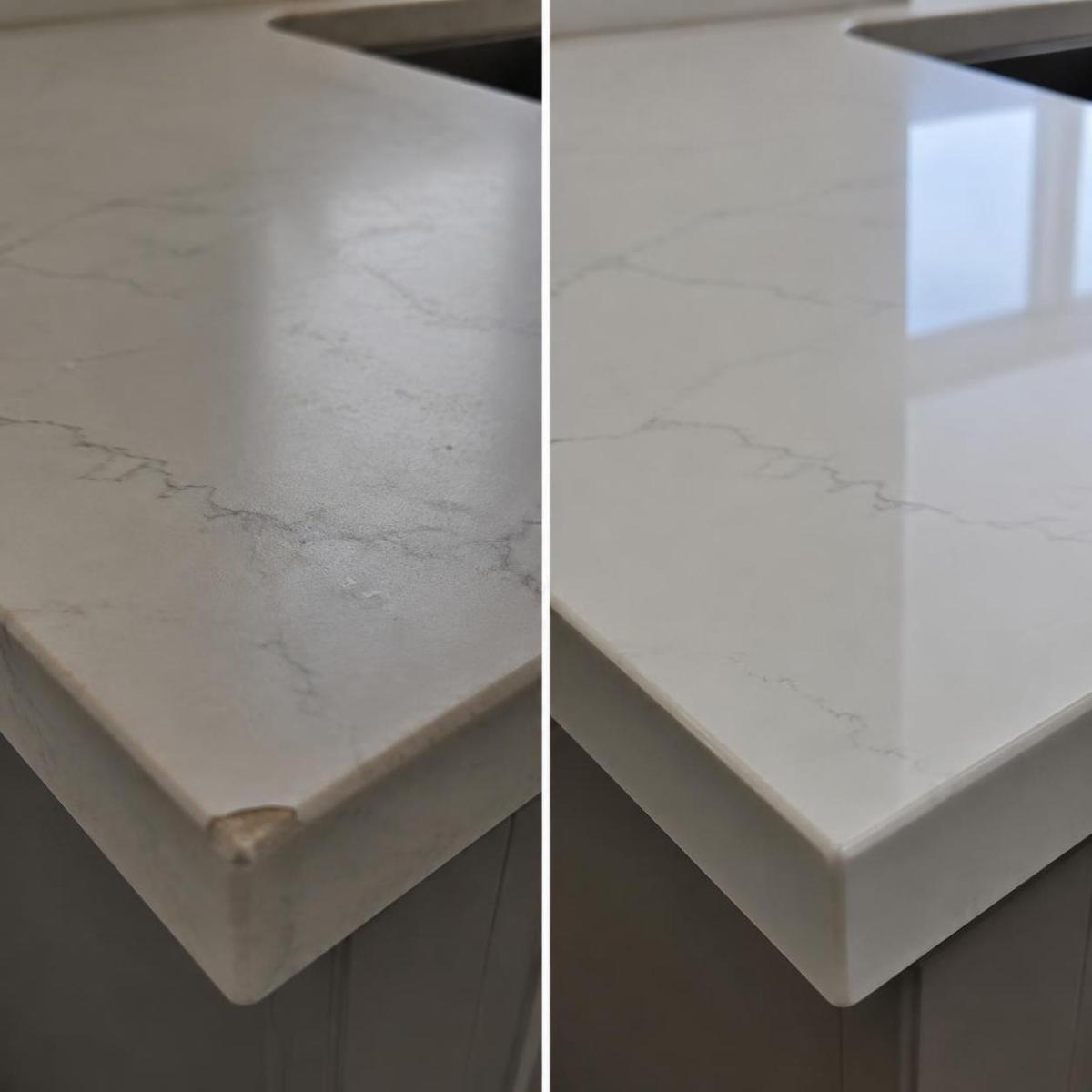
If engineered quartz slab is showing problems within a short period, look at the type of damage before assuming the material was defective.
- Yellowing or dull patches near windows or hot appliances may point to UV or heat exposure.
- Cracks near sink cutouts, cooktops, or seams often suggest stress, weak support, or fabrication issues.
- Chips on exposed corners usually come from impact.
- Persistent stains may be caused by neglected spills or harsh cleaners that affected the finish.
In real projects, early failure is often a chain of small decisions: thin unsupported sections, poor edge details, seam placement in a high-stress area, then heavy use on top of that.
How to make quartz last longer without overthinking it
You do not need a complicated care routine. A few sensible habits go a long way.
- Use trivets or heat pads under hot pots and pans.
- Do not stand or sit on countertop overhangs unless they were designed and reinforced for that load.
- Wipe spills in a reasonable time, especially oils, strong pigments, and chemical products.
- Clean with mild soap and water or a surface-safe cleaner.
- Avoid aggressive abrasives, paint removers, and highly alkaline or acidic chemicals unless the manufacturer specifically allows them.
- Protect exposed corners in high-traffic commercial settings where carts, tools, or luggage may hit the edge.
Most of this is not difficult. The bigger issue is that buyers are often told quartz is “maintenance free,” which creates the wrong expectation. It is easy to live with, but it still needs basic care.
Is quartz still a good long-term investment?
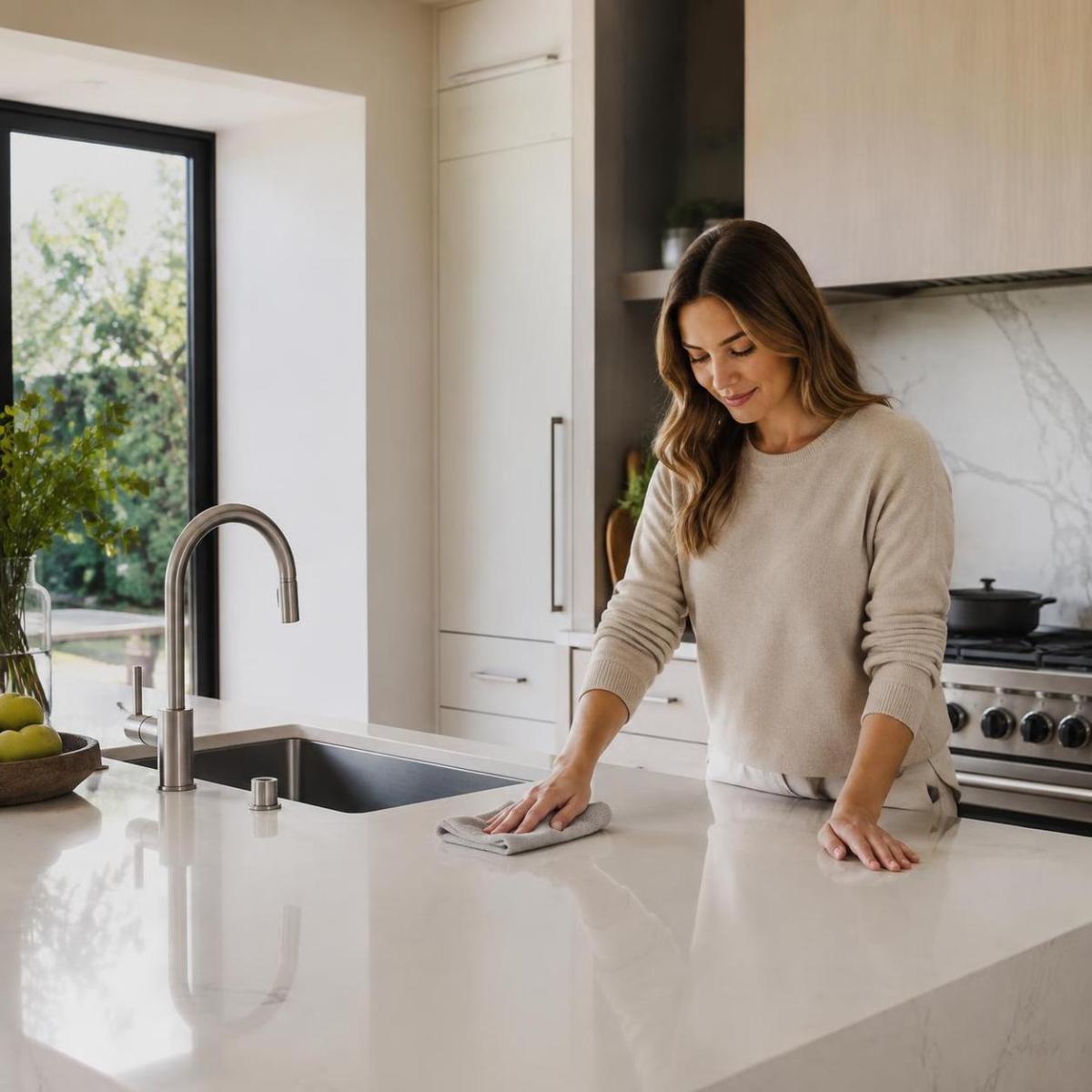
For many interior applications, yes. Quartz offers a balance that appeals to both homeowners and specifiers: stable appearance, broad design options, easy cleaning, and good durability. It usually holds up better than many people expect, especially in bathrooms and standard family kitchens.
But there is a practical way to judge value. Do not ask only how many years the slab might physically remain in place. Ask whether it will still look acceptable for your use after years of cleaning, cooking, traffic, and light exposure. That is the real lifespan question.
If you want a surface that tolerates abuse, direct heat, and rough treatment without much thought, quartz may not be the best match. If you want a refined interior surface with strong everyday durability and predictable maintenance, it often makes sense.
FAQ
Can engineered quartz slab crack over time?
Yes, but cracking is often linked to poor support, weak cutouts, bad seam placement, or heat shock rather than simple age.
Does quartz last longer than granite?
They age differently. Quartz is easier to maintain and more uniform, while granite usually handles heat better. Lifespan depends heavily on use and installation, not just material category.
Will quartz discolor after many years?
It can, especially with heavy UV exposure, strong heat, or harsh chemicals. Indoor applications away from those conditions usually age much better.
Is engineered quartz slab suitable for outdoor use?
Often no, or only with product-specific confirmation.Outdoor performance varies, so this needs to be checked against the manufacturer's official guidance.
So, how long does engineered quartz slab last? In a well-planned interior application, it can serve reliably for decades. The material itself is strong, but the best results come from matching it to the right setting, insisting on good fabrication and installation, and avoiding the few habits that shorten its life early.
Lifespan depends heavily on care and installation, so the Maintenance Guide for Quartz Countertops and the Custom Cut Quartz Slabs Sizing and Project Installation Guide are the two pieces worth reading next.
For a like-for-like look at how engineered quartz and natural stone age, quartz vs marble for kitchen countertops compares service life, staining and repairability.
Related Articles
- Maintenance Guide for Quartz Countertops
- High-Temperature and Freeze Resistance of Engineered Quartz
- Hardness and Wear Resistance Advantages of Engineered Quartz
- Why Does Quartz Stone Warp and How We Control It
Quartz Slabs Built for 15-30 Years of Real-World Use
Our engineered quartz slabs combine consistent density, stable resin systems, controlled fabrication, and batch-tested quality to deliver a long-service surface that stays attractive in kitchens, bathrooms, and commercial interiors. Contact us for samples, technical specs, and project pricing.
📱 WhatsApp: +86 198 6115 3736
📧 Email: raykelee@hyquartzslabfactory.com
Send Us A Message