
Is Quartz Waterproof? What to Know Before Installing in Wet Areas
Is Quartz Waterproof? What to Know Before Installing in Wet Areas
Waterproof Quartz Stone: Moisture-Proof Performance for Kitchens, Bathrooms and Beyond
Water is the everyday enemy of building surfaces. Splashes around the sink, steam in the bathroom, spilled drinks on a bar top, damp mopping in a hotel corridor — over time, moisture finds and destroys the materials that cannot stand up to it. This is one of the main reasons waterproof quartz stone has become the default specification for kitchens, bathrooms, and commercial interiors worldwide. In this guide we explain why engineered quartz is effectively waterproof, what "moisture-proof" really means in practice, how it is tested, and where its limits are — so you can specify it with confidence.
1. Why Waterproof Quartz Stone Does Not Absorb Water
The waterproof performance of quartz stone comes directly from its composition. A quality engineered quartz slab is made of roughly 90–93% natural quartz crystals bound with polymer resin, then compacted under high-tonnage vacuum vibration pressing. Two facts follow from this structure:
- Quartz crystals themselves are non-porous. With a Mohs hardness of 7 and a dense crystalline structure, natural quartz does not soak up water the way softer, more porous stones do.
- The resin binder seals the system. The polymer resin fills the gaps between particles, and vacuum pressing removes the air pockets where water could otherwise migrate. The finished slab has a water absorption rate of well under 0.1% — effectively zero for practical purposes.
Compare this with natural stones: marble typically absorbs 0.2–0.5% of its weight in water, and some limestones and travertines absorb far more. Those materials need regular sealing to keep water out; waterproof quartz stone needs nothing, because there is no pathway for water to enter in the first place.
2. What "Moisture-Proof" Means in Daily Use
In practical terms, the non-porous structure of quartz delivers four everyday behaviors that project owners care about:
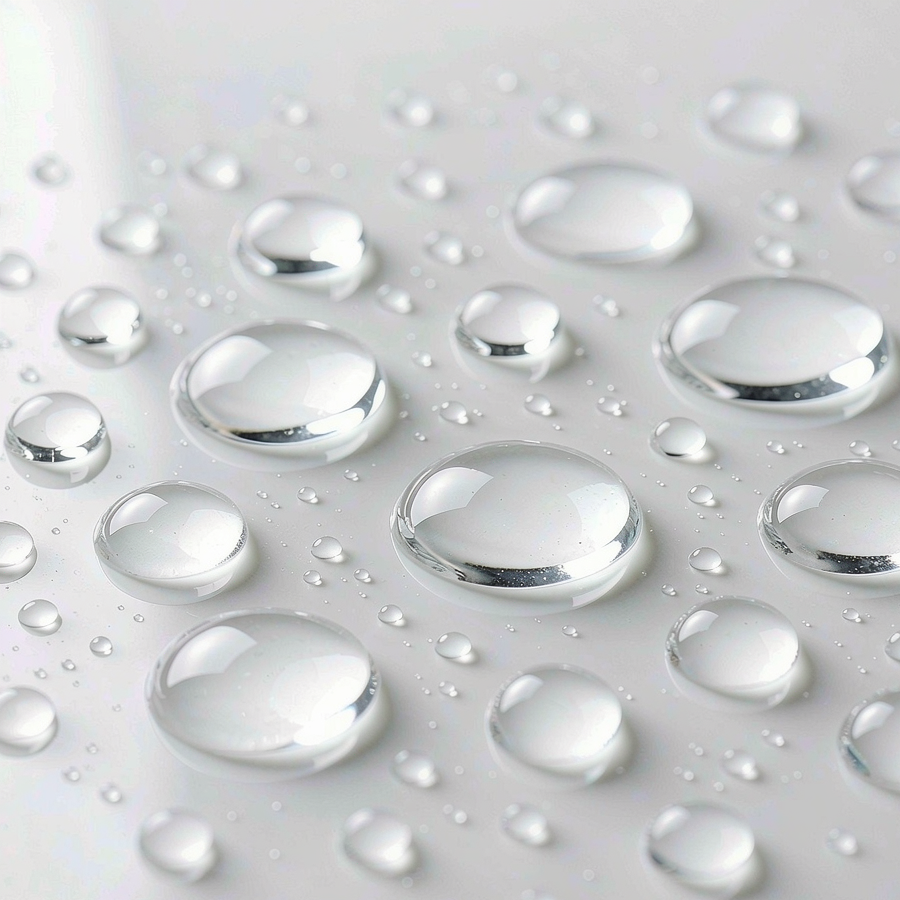
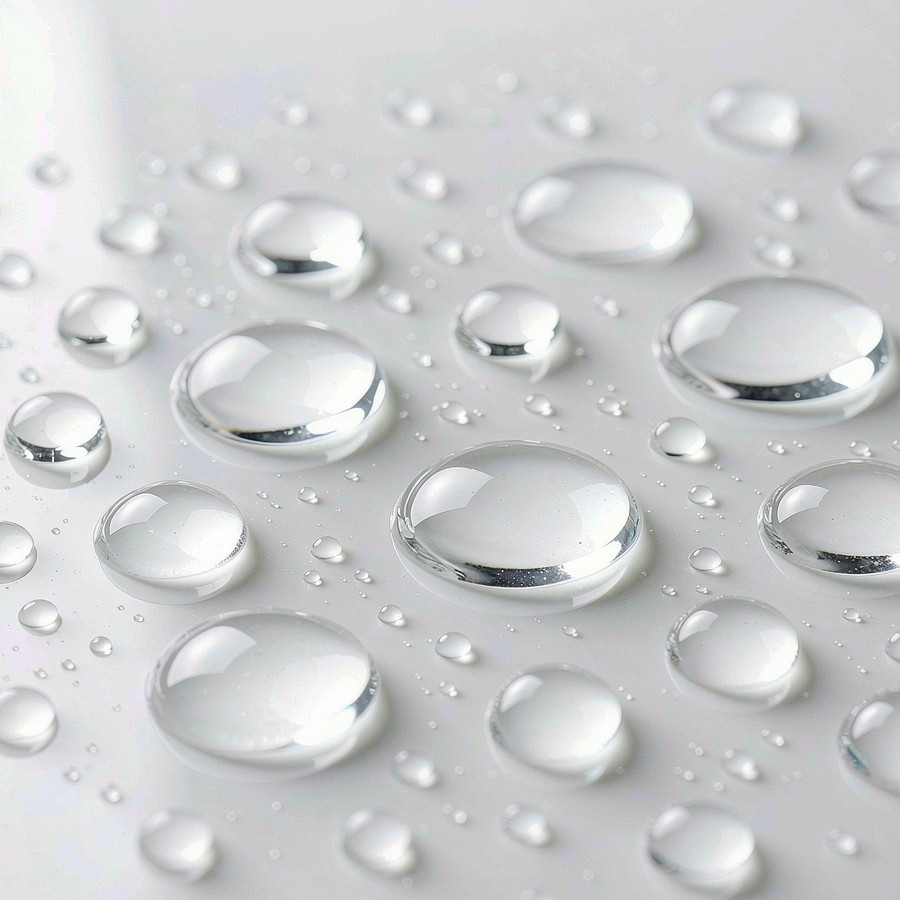
- Beading. Water, coffee, and juice sit on the surface as droplets instead of soaking in, giving you hours to wipe them up without a trace.
- No water stains or rings. Condensation under glasses and damp cloths left overnight do not leave mineral marks the way they do on unsealed marble.
- No swelling or warping. Unlike wood, MDF, or laminate, quartz slabs do not expand, delaminate, or rot in humid environments — critical for bathroom vanities and wet rooms.
- No hidden mold. Because water cannot penetrate the surface, there is no damp layer inside the material where mold and mildew can grow. The surface simply dries.
This is why waterproof quartz stone is specified not only for counters but also for full-height bathroom walls, shower surrounds, window sills in humid climates, and even tabletops in open-air covered areas.
3. How Waterproof Performance Is Tested and Certified
Professional buyers should ask for data, not adjectives. The standard tests that matter are:
- Water absorption rate (boiling or immersion test). A dried, weighed sample is immersed (often in boiling water) for a fixed period, then weighed again. Premium quartz slabs report absorption below 0.05%, with test reports available per batch.
- Stain resistance tests. Common household agents — coffee, red wine, soy sauce, vinegar, lemon juice, hair dye — are applied under cover for 24 hours, then rated after cleaning. A dense, waterproof surface scores the top rating with no permanent marking.
- Cleaning resistance (abrasion with detergent). The surface is cycled with cleaning agents to confirm that daily hygiene routines do not degrade the waterproof surface polish over time.
When comparing quotes, ask each factory for water absorption and stain resistance reports for the actual production batch. Consistent test data across batches is a strong indicator of stable manufacturing quality — and of genuine waterproof quartz stone rather than marketing language.
4. Where Waterproof Quartz Performs Best
The non-porous structure makes quartz the safest choice in any zone where water is present daily:
- Kitchen countertops and backsplashes. The sink zone, the splash zone behind the hob, and the prep area all see water constantly. Quartz handles it without sealing cycles.
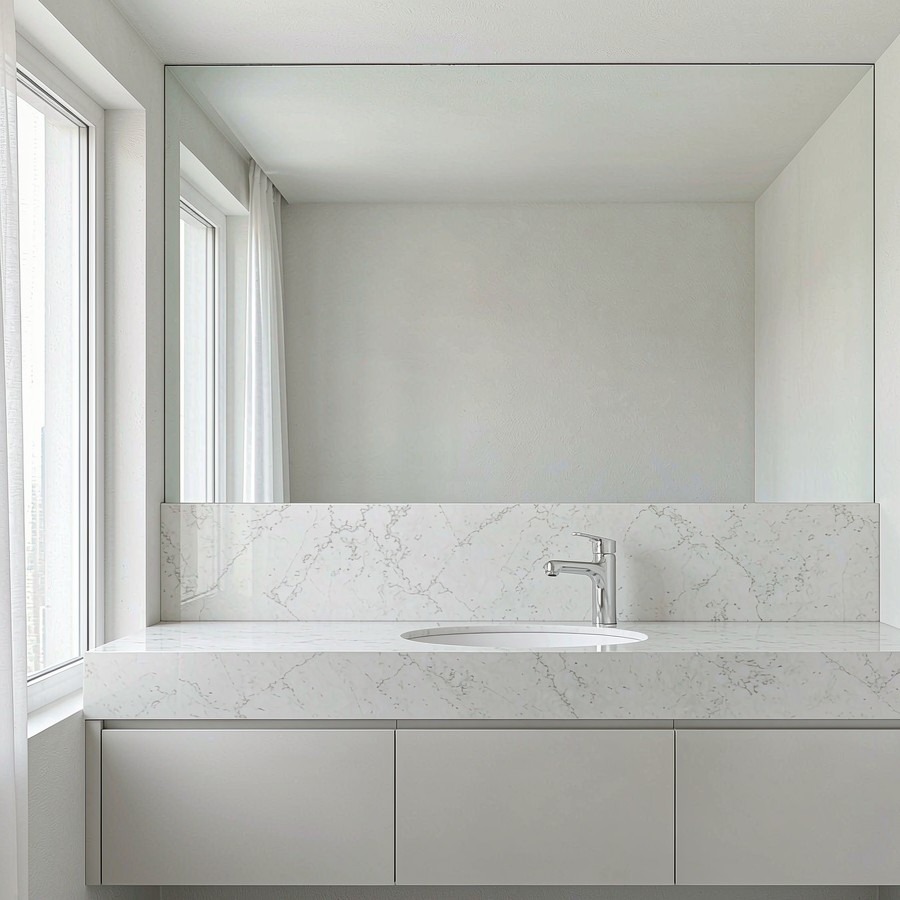
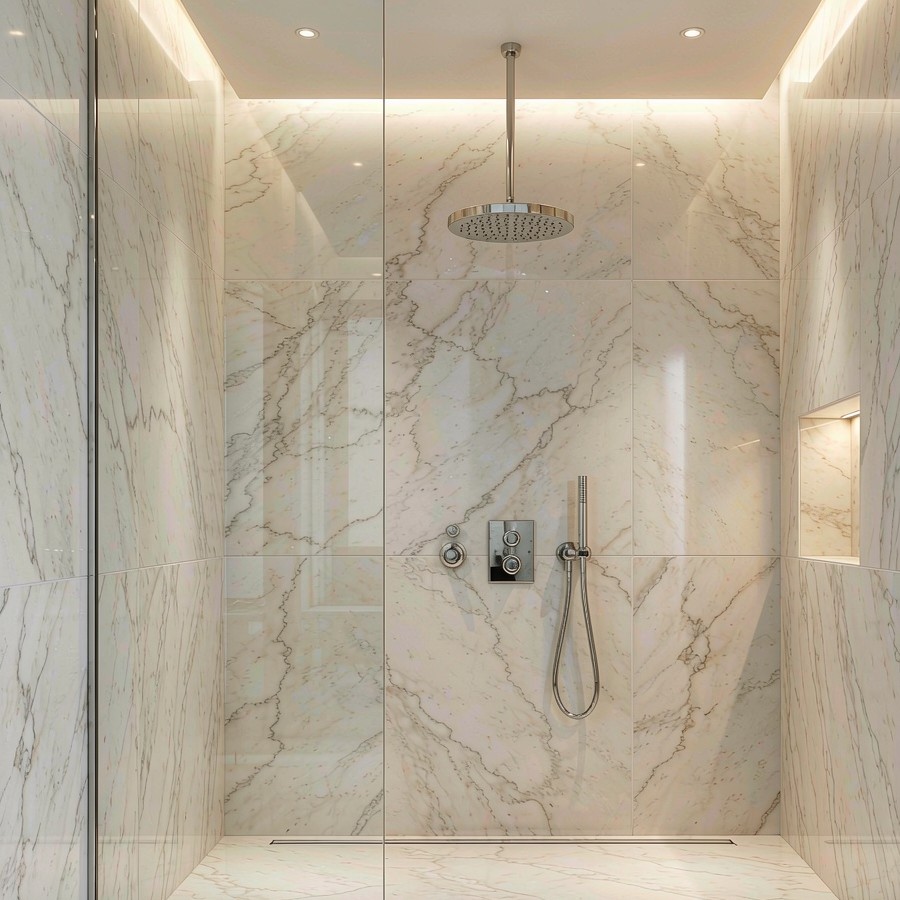
- Bathroom vanities, shower benches, and wall cladding. Steam and direct splashing are exactly what the resin-sealed structure is built for. Large-format quartz wall panels also minimize grout lines, removing the main weak point of tiled bathrooms.
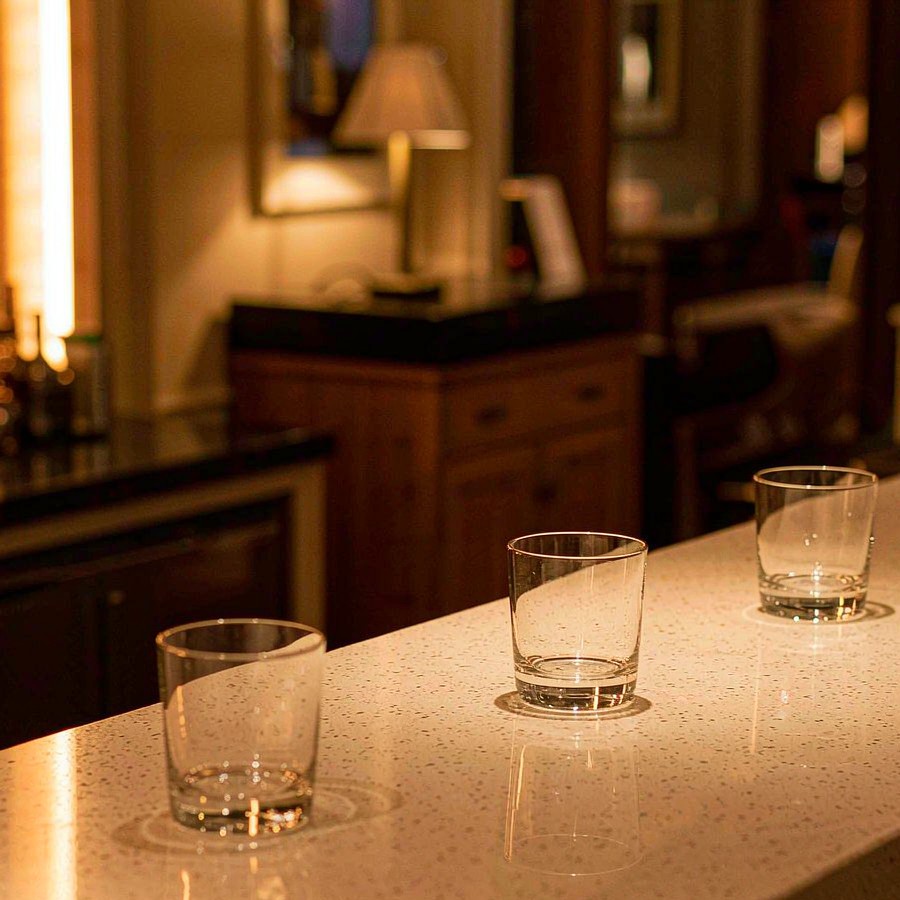
- Hotel and restaurant bar tops. Spilled drinks, wet glasses, and ice melt are cleaned up with an ordinary cloth — no rings, no warping, no odor absorption.
- Laundry rooms and utility counters. Detergent splashes and standing water from wet clothes do not penetrate the surface.
- Commercial restrooms. Hundreds of users a day, constant condensation, and aggressive cleaning chemicals — quartz tolerates all three.
- Lobby and reception desks in humid climates. In coastal and tropical regions, ambient moisture alone damages porous materials; quartz is indifferent to it.
5. The Honest Limits: What Waterproof Does NOT Mean
A trustworthy supplier will also tell you what quartz will not do. Three limits matter:
- Joints and cutouts are the real fronts. The slab is waterproof, but the seams between two slabs and the silicone joints around a sink are what need professional fabrication and periodic inspection. Well-matched edges with color-matched epoxy keep joints nearly invisible and watertight.
- Not for continuous outdoor sun and rain. Standard resin can yellow under years of direct UV, and standing water combined with freeze-thaw cycles can stress any stone edge. For outdoors, specify a dedicated UV-stable exterior quartz line rather than standard slab stock.
- Steam is fine, standing heat is not. Humidity and steam pose no problem, but a pot straight from the stove (well above 150°C) can damage the resin. Trivets solve it — the same discipline as any engineered stone.
Understanding these limits turns "waterproof" from a slogan into a specification: waterproof material, professionally made joints, correct product line for the environment.
6. Fabrication Details That Protect Waterproof Performance
The slab is only half of the system. How it is cut, edged, and installed decides whether water stays on the surface — where it belongs — or finds a way into cabinets and walls:
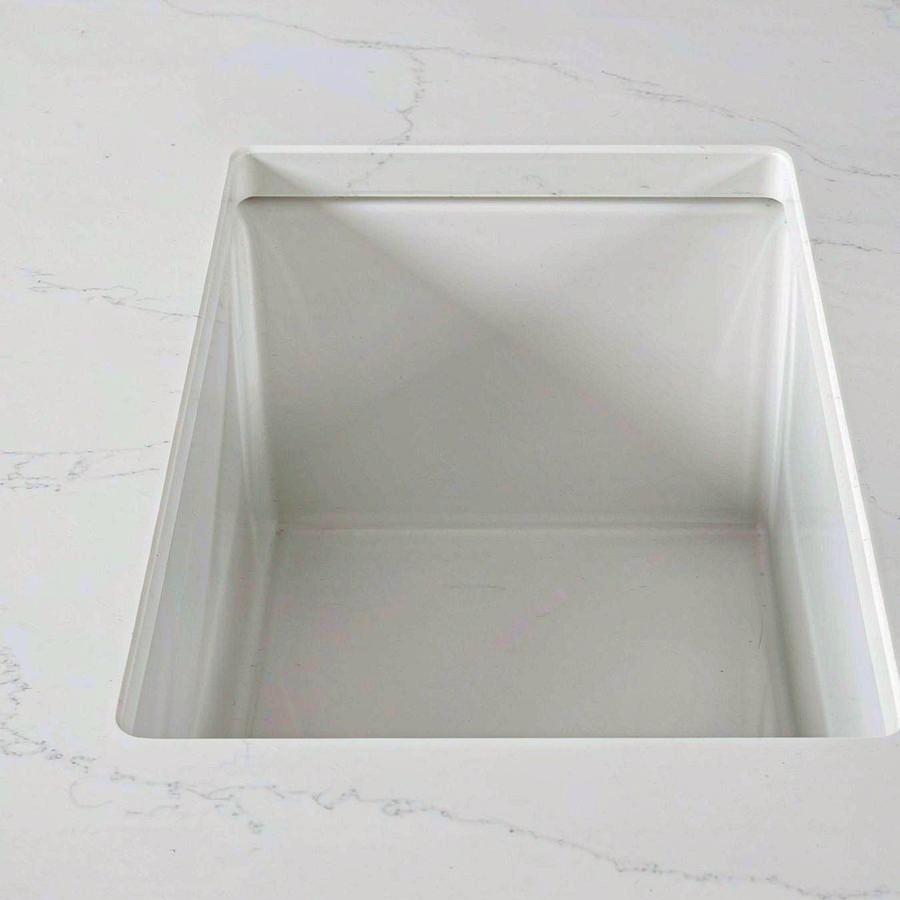
- Undermount sink cutouts should be polished on all edges and sealed with neutral-cure silicone at installation.
- Faucet and soap dispenser holes must be drilled with diamond tooling, not punched, to avoid micro-cracks that could wick water at the rim.
- Backsplash joints at the wall should be finished with sanitary-grade silicone, not rigid grout, to absorb building movement.
- Edge profiles with simple geometry (eased, bevel, small bullnose) leave no deep recesses where water can pool.
This is where an experienced quartz factory adds real value: clean cutouts, accurate tolerances, and fabrication guidance that keeps the whole assembly waterproof — not just the stone.
7. Cleaning and Care: Keeping the Surface Like New
The waterproof advantage also makes quartz the easiest surface in the building to maintain:
- Daily routine: a soft cloth with neutral detergent or ordinary dish soap. No sealing, no waxing, no special stone products — ever.
- Limescale in wet areas: in hard-water bathrooms, a 1:1 mix of white vinegar and water sprayed and wiped after a few minutes removes scale without harming the polish (rinse afterward).
- Stubborn residues: a plastic scraper lifts dried spills; avoid steel wool and aggressive alkaline oven cleaners, which dull any polished stone.
- Check silicone joints yearly: in showers and sink cutouts, replacing worn silicone every few years keeps the installation as watertight as the slab itself.
8. Specifying Waterproof Quartz Stone: A Buyer's Checklist
Before confirming a bulk order, run through these points with your supplier:
- Water absorption report for the actual batch — below 0.1%, ideally below 0.05%.
- Stain resistance rating against coffee, wine, and dye, tested per the relevant standard.
- Slab dimensions and thickness options (typically 3200×1600 mm in 15/18/20/30 mm) to minimize joints in wet areas.
- Batch consistency for color, so replacements and extensions match years later.
- Fabrication support: cutout tolerances, edge profiles available, and packing that protects polished faces in transit.
- For outdoor projects: confirm a UV-stable exterior grade rather than standard resin.
A factory that volunteers this data — batch by batch — is the one whose waterproof quartz stone will behave on site exactly as it did in the sample box.
Frequently Asked Questions About Waterproof Quartz Stone
Q1: Does quartz stone need to be sealed against water?
No. Unlike marble or granite, quality engineered quartz is non-porous from the factory and never requires sealing. If a fabricator offers to "seal" your quartz, it is unnecessary — the resin-bound surface has no pores for a sealer to fill.
Q2: Can water get under the surface and cause stains later?
Not through a sound slab. The only water pathways are damaged joints or poorly sealed cutouts, which is why professional fabrication and periodic silicone checks matter. The stone itself does not absorb or trap water.
Q3: Is waterproof quartz suitable for a shower wall or wet room?
Yes — it is one of the best materials for that use. Large quartz panels reduce grout lines to a minimum, resist mold, and wipe clean. Use qualified silicone at panel joints and allow for building movement in the installation detail.
Q4: Will hard water leave marks on quartz bathroom surfaces?
Hard water leaves mineral deposits on any surface as it evaporates, but on quartz these sit on top and are removed easily with a mild vinegar solution. They do not penetrate or etch the surface the way they can on unsealed marble.
Q5: Can I use waterproof quartz around a swimming pool or outdoors?
Standard quartz tolerates covered, sheltered outdoor use, but continuous direct sunlight plus pool chemicals require a dedicated UV-stable exterior grade. Always confirm the product line with your supplier for outdoor specifications.
Conclusion: One Less Thing to Worry About
Water damage is slow, invisible, and expensive — which is exactly why it pays to choose a material that keeps water on the surface where it can be wiped away. With a non-porous resin-sealed structure, near-zero water absorption, and no sealing requirement for life, waterproof quartz stone turns kitchens, bathrooms, and commercial counters into maintenance-light, mold-free zones that stay looking new for years.
Planning a kitchen, bathroom, or hospitality project? Our factory supplies waterproof quartz stone slabs with batch test reports, large-format panels for wet areas, and project-cut sizes with export-grade packing. WhatsApp us at +86 198 6115 3736 or email raykelee@hyquartzslabfactory.com for samples and a quotation.
That waterproof behaviour is exactly why the material dominates one product category in particular: our guide to quartz vanity tops covers the sizes, sink options and quality checks behind bathroom programs built on this same non-porous surface.
Related Articles
Send Us A Message