
Anti-Scratch Quartz for High-Frequency Usage Spaces
Anti-Scratch Quartz for High-Frequency Usage Spaces
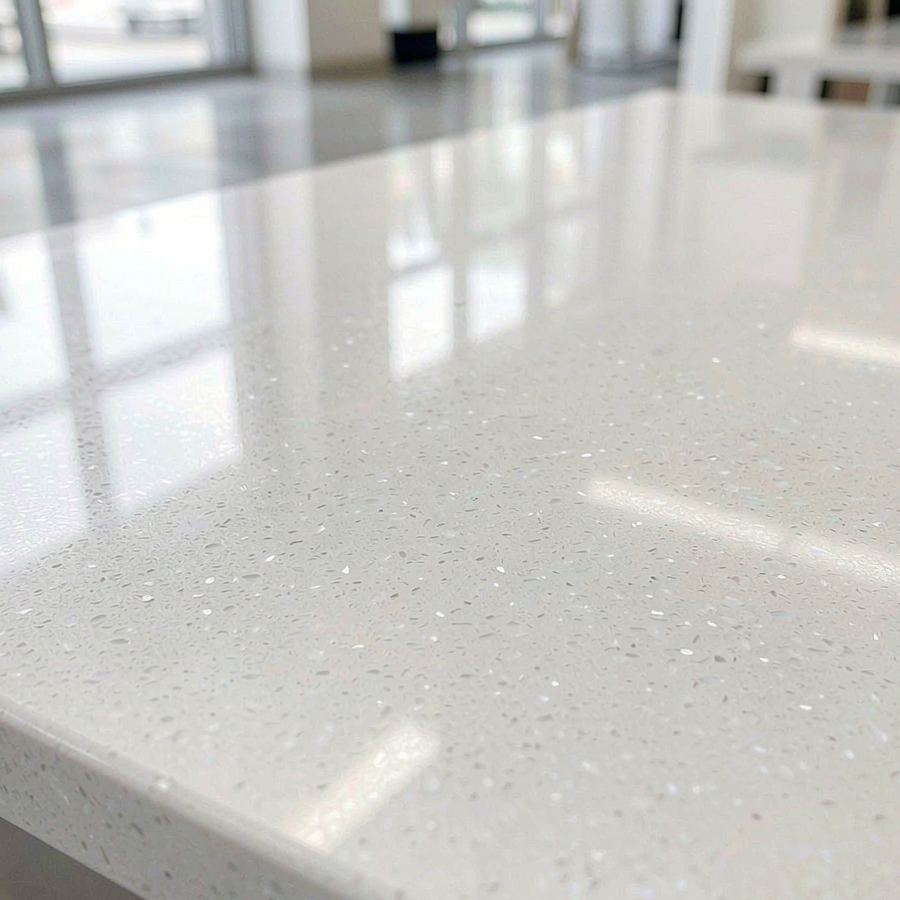
Anti-Scratch Quartz: Why It Is the Right Choice for High-Frequency Usage Spaces
In any commercial or residential project, some surfaces simply take more abuse than others. Airport check-in counters, hotel lobby desks, office break rooms, retail cash wraps, and family kitchens all share one thing in common: they are used hundreds of times a day, often roughly. This is exactly where anti-scratch quartz earns its reputation. Engineered quartz slabs with high scratch resistance keep their polished surface year after year, even under heavy, continuous use. In this guide, we explain what makes quartz scratch resistant, how it is tested, where it performs best, and how buyers should evaluate anti-scratch quartz before placing a bulk order.
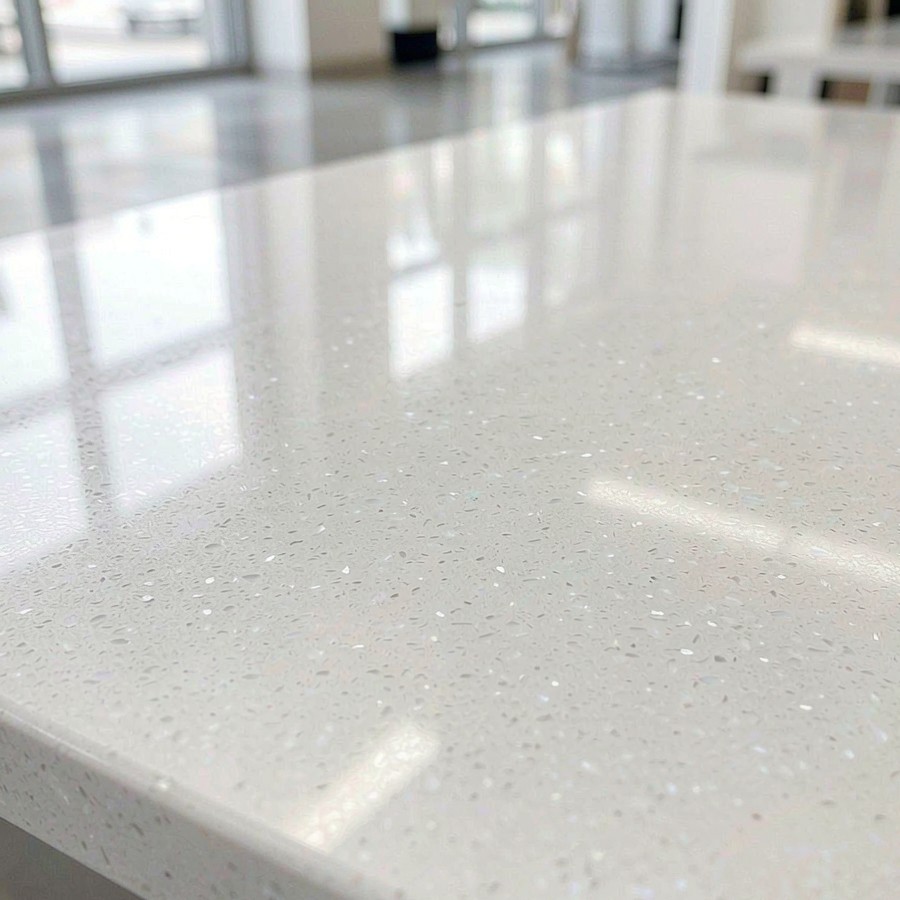
1. What Is Anti-Scratch Quartz?
Anti-scratch quartz is engineered stone made from approximately 90–93% natural quartz crystals — one of the hardest minerals on earth, rated around 7 on the Mohs scale — bound with polymer resins and pigments. The result is a slab that combines the hardness of natural quartz with the consistency and workability of an engineered product.
Because the surface is dominated by quartz particles rather than soft calcite (as in marble) or a mix of variable minerals (as in granite), a well-made quartz slab resists everyday scratching from knives, keys, dragged pots, sliding equipment, and grit carried on shoes or shopping bags. For high-frequency usage spaces, this hardness gap is the single most important material property.
It is worth clarifying the term: no stone surface is literally "scratch-proof." Anti-scratch quartz means the surface withstands normal daily contact without visible marking. Extreme abuse — such as cutting directly with a ceramic blade or dragging a sharp steel edge under heavy load — can still mark any mineral surface. The practical question for a project buyer is not "can it ever be scratched?" but "will it stay beautiful through years of real traffic?" For properly engineered quartz, the answer is yes.
2. Why Scratch Resistance Matters Most in High-Traffic Spaces
Scratches are not just a cosmetic issue. In commercial environments they create three cascading problems:
- Appearance degradation. A single scratch is invisible; ten thousand micro-scratches turn a polished counter dull and grey. In lobbies and retail spaces, this dullness reads instantly as "old" and "cheap" to customers.
- Hygiene risk. Scratches create micro-channels where dirt, moisture, and bacteria accumulate, making cleaning harder — a serious concern for food courts, clinics, and hotel vanities.
- Refinishing cost. Natural stones can be re-honed on site, but that means closing the area, dust, noise, and expense. In a hotel or mall that never truly closes, prevention through anti-scratch quartz is far cheaper than cure.
High-frequency usage spaces — reception desks, bar tops, shared kitchenettes, restroom vanities, cashier stations — concentrate all three risks. Choosing a scratch-resistant surface at the specification stage protects both the project's image and its operating budget.
3. How Scratch Resistance Is Measured and Tested
Professional buyers should ask suppliers for objective test data rather than marketing adjectives. The three most relevant tests are:
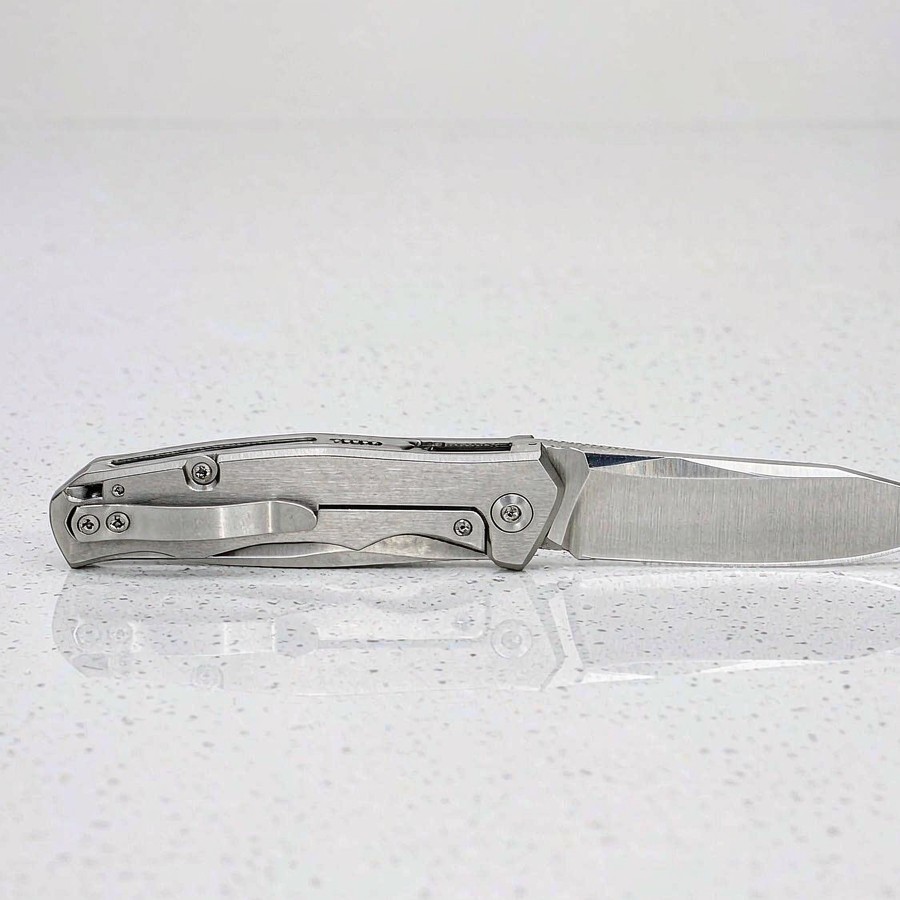
- Mohs hardness. A simple field test: a steel blade (about 5.5 Mohs) should not scratch a quality quartz surface, while quartz sand (7 Mohs) defines the practical ceiling. Ask your supplier which minerals their slab resists.
- Taber abrasion resistance. A rotating abrasive wheel wears the surface under controlled load; the result is reported as wear volume or haze increase. Lower wear means better daily durability. Reputable factories test per batch, not just per product launch.
- Surface gloss retention. Measured with a gloss meter (typically 45–55+ gloss units for polished quartz) before and after standardized abrasion cycling. High retention indicates a tightly compacted, well-polished surface.
When comparing quotes for anti-scratch quartz, ask each factory for Taber test reports and batch-level quality records. A supplier that measures abrasion resistance systematically — not occasionally — is a supplier whose slabs will perform the same in year five as on installation day.
4. The Manufacturing Factors Behind a Scratch-Resistant Slab
Scratch resistance is not an accident; it is engineered on the production line. Four factors matter most:
- Raw material quality. High-purity, well-graded quartz sand with a controlled particle size distribution produces a denser surface. Contaminated or poorly graded filler creates weak spots that scratch first.
- Resin ratio. Resin is the softest component in the slab. Too much resin (a common cost-cutting trick) lowers hardness and yellowing resistance. Premium slabs keep resin content in the low single digits while maintaining pressing quality.
- Vacuum pressing pressure and vibration. High-tonnage pressing with vibration compacts the particles tightly, eliminating micro-voids. Denser compaction directly translates into higher surface hardness.
- Curing and polishing. Properly cured slabs polish to a harder, more closed surface. A deep, mirror-grade polish is itself a quality indicator: cheap slabs cannot hold a high gloss because their surface structure is too loose.
This is why two slabs that look identical in photos can behave completely differently in a busy hotel lobby. Specification decisions should weigh the factory's process capability, not just the color sample.
5. Anti-Scratch Quartz vs. Other Surfaces in Heavy-Use Areas
How does anti-scratch quartz compare with the alternatives a project team usually considers?
- Versus marble. Marble (calcite, Mohs ~3) scratches from a copper coin or a knife blade. In a hotel vanity or mall food court, marble surfaces need protective disciplines that staff rarely follow. Quartz keeps its surface under the same treatment.
- Versus granite. Granite is hard but heterogeneous: soft mineral grains, mica flakes, and fissures create localized weak points, and dark granites often show every scratch as a bright line. Uniform quartz has no soft islands.
- Versus solid surface (acrylic). Solid surface is repairable but soft — it dents and scratches easily and shows wear patterns around sinks and high-touch zones. Quartz is dramatically harder.
- Versus porcelain / sintered stone. These are harder still, but brittle: edges chip under impact, and fabrication of complex shapes is costlier. For counters and desks where edge detail matters, quartz offers the best balance of hardness and workability.
For most high-frequency usage spaces, the winning formula is anti-scratch quartz for horizontal surfaces — counters, desks, tables, window sills — combined with good edge profiling to manage impact at the most vulnerable zone.
6. Best Applications: Where Anti-Scratch Quartz Pays for Itself
Based on completed projects, these are the environments where scratch-resistant quartz delivers the fastest return:
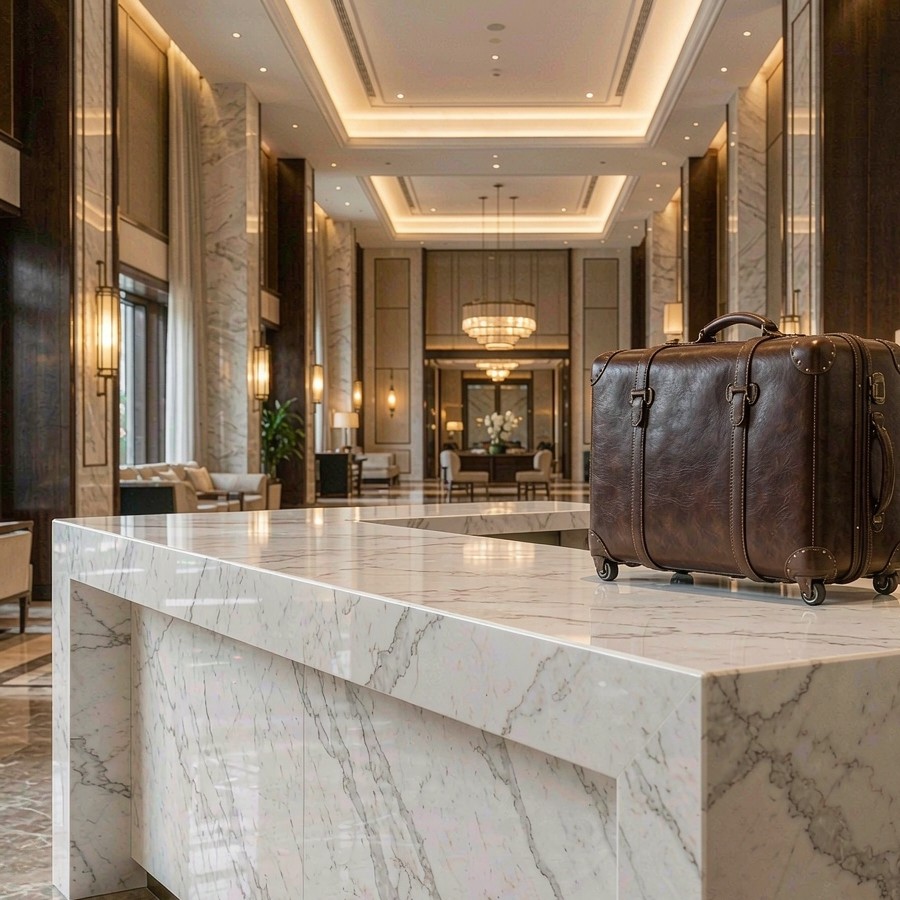
- Hotel and office reception desks. Constant contact with luggage, keys, documents, and pens — plus the visual prominence that makes any surface damage visible to every guest.
- Retail cashier stations and display plinths. Merchandise, hangers, and shopping baskets slide across these surfaces all day.
- Residential kitchens, especially rental and STR units. Tenants and guests do not use cutting boards; anti-scratch quartz forgives them.
- Restroom vanities in commercial buildings. High traffic, cleaning chemicals, and dropped accessories.
- Airports, banks, and hospital counters. Hundreds of thousands of contacts per year with bags, forms, and equipment.
- Cafeteria and food-court tables. Trays, cutlery, and cleaning trolleys cross the surface hourly.
In each case, the slab's hardness quietly eliminates an entire category of maintenance complaints that would otherwise reach the facilities team within the first year.
7. Design Advantages: Durability Does Not Mean Boring
Early engineered quartz had a limited, uniform look. Modern production has changed that completely. Today's anti-scratch quartz lines include:
- Pure whites (including the popular 90+ whiteness grades) that marble-look competitors cannot match for consistency across hundreds of slabs.
- Calacatta and Carrara veining with dramatic, realistic movement — ideal for reception fronts that need a luxury statement.
- Fine-grain and concrete looks for offices and retail environments where subtlety is preferred.
- Deep solid colors for brand-matched counter zones, with color consistency controlled across bulk orders.
Because veining and color are engineered, large projects can book-match or batch-match surfaces in a way natural stone never allows — a real advantage when a hotel needs fifty identical reception counters across a chain.
8. How to Specify Anti-Scratch Quartz for Your Project: A Buyer's Checklist
Before you approve a purchase order, work through this checklist with your supplier:
- Ask for abrasion test reports (Taber or equivalent) for the actual batch, not a generic datasheet.
- Verify resin content and pressing specs. Low resin plus high-tonnage vacuum vibration pressing is the technical recipe for hardness.
- Request edge samples and test them with a key or coin — surface samples alone do not tell the whole story.
- Confirm slab dimensions and thickness availability (typically 3200×1600 mm in 15/18/20/30 mm) so fabrication waste stays low.
- Check color consistency policy for bulk orders: slabs from the same batch should carry matched batch numbers.
- Review packing. Scratch resistance protects the installed surface; good crates and foam protection protect it on the way to site.
- Agree on inspection standards (gloss units, flatness, thickness tolerance) and put them in the contract.
A factory that answers these questions with documents and samples — not promises — is ready to supply anti-scratch quartz for a serious project.
9. Maintenance: Keeping the Surface Perfect for Years
One more reason facilities managers prefer quartz: the maintenance program is almost trivial.
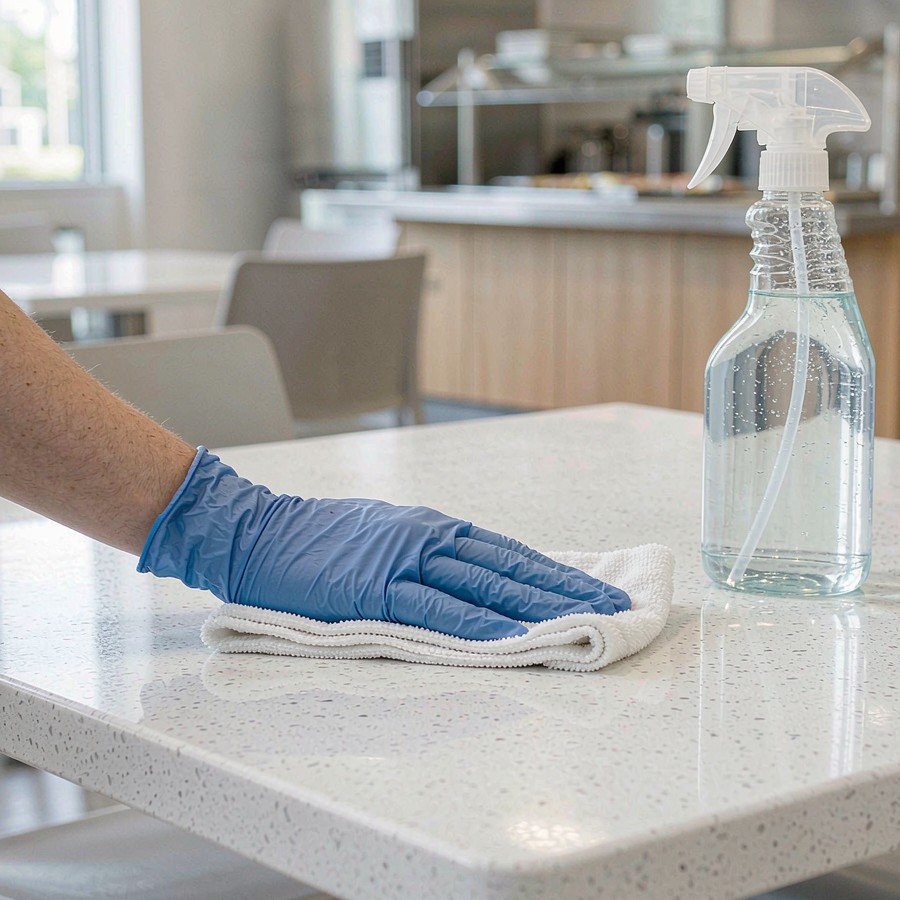
- Daily cleaning: neutral pH cleaner and a microfiber cloth. No special stone products needed.
- Stains: most wipe away with soapy water; dried spills lift with a plastic scraper.
- Avoid only two things: harsh alkaline oven cleaners and abrasive pads, which dull the polish; and prolonged direct heat above ~150°C, which can affect resin — use trivets under hot pans.
- No sealing, ever. Quartz is non-porous; there is no annual sealing contract to budget.
Compared with marble's sealing-and-etching cycle or solid surface's buffing schedule, anti-scratch quartz keeps its "day one" appearance with ordinary housekeeping — which is precisely what makes it the economical choice over a ten-year horizon.
Frequently Asked Questions About Anti-Scratch Quartz
Q1: Can you cut food directly on anti-scratch quartz?
The board will usually survive a knife contact without damage, but we still recommend cutting boards. Repeated cutting in the same spot dulls knives faster than it damages the quartz, and ceramic knives are hard enough to mark any stone surface. Cutting boards also protect the polish's uniformity over time.
Q2: Does anti-scratch quartz lose its shine over time?
Not under normal use. The polish on a well-pressed quartz slab is a compacted, closed surface, not a coating. In high-frequency usage spaces that are cleaned with neutral products, gloss readings after several years remain essentially unchanged. Dulling typically indicates harsh abrasive cleaning rather than material failure.
Q3: Is a scratched quartz slab repairable?
Light surface marks can be polished out by a stone technician with diamond abrasives. Unlike solid surface, quartz cannot be "refilled" with matching material, but because it resists scratching in the first place, such repairs are rare in properly specified projects.
Q4: Which is more scratch resistant, quartz or granite?
Both are hard, but granite's hardness varies mineral by mineral: soft grains and mica within the same slab scratch while harder grains resist, so wear appears unevenly. Uniform anti-scratch quartz wears evenly — and with quality production, resists noticeably better in daily commercial use.
Q5: How can I verify scratch resistance before ordering a full container?
Request samples from the same production batch and test them: drag a steel key across the polished face under firm pressure, then check under raking light. Also ask the factory for Taber abrasion reports. A confident manufacturer will provide both without hesitation.
Conclusion: Specify Hardness Where It Counts
Surface damage is one of those costs that never appears in a project budget — it shows up later as complaints, refinishing invoices, and a lobby that looks tired long before its time. Specifying anti-scratch quartz for high-frequency usage spaces removes that risk category entirely. With Mohs-7 mineral hardness, batch-tested abrasion resistance, design flexibility, and near-zero maintenance, it is the most rational surface choice for reception desks, retail counters, vanities, and kitchens that work hard every day.
If you are planning a hotel, retail, or residential project and need anti-scratch quartz slabs in bulk, our factory can supply test reports, batch-consistent colors, and project-cut sizes with export-grade packing. Contact us for samples and a quotation tailored to your drawings.
Related Articles
- Hardness and Wear Resistance Advantages of Engineered Quartz
- Commercial Quartz for Shopping Mall and Front Desk Counter
- Maintenance Guide for Quartz Countertops
- Quartz vs Granite: Pros and Cons for Project Use
Ready to specify anti-scratch quartz for your next project? WhatsApp us at +86 198 6115 3736 for fast samples and project pricing, or email raykelee@hyquartzslabfactory.com with your drawings and quantity. Shandong Hongyue Quartz Stone Co., Ltd. supplies anti-scratch quartz slabs worldwide with factory-direct support.
Send Us A Message