
Complete Engineered Quartz Slab Production Process
Complete Engineered Quartz Slab Production Process
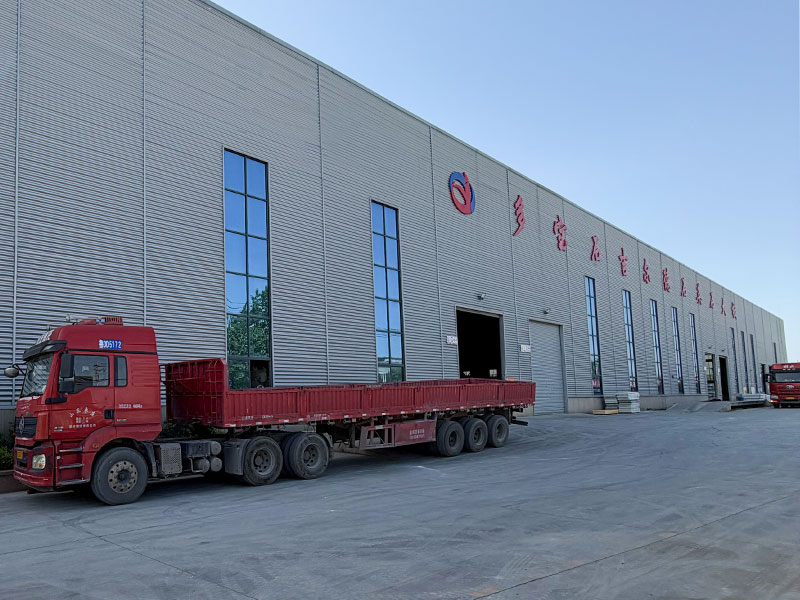
How Engineered Quartz Slabs Are Made: The Full Production Process
Understanding the full production process of engineered quartz slabs matters because buyers are rarely just asking how the material is made. In practice, they are trying to judge whether a supplier can deliver stable color, reliable physical performance, consistent batch quality, and fewer downstream claims. For architects, contractors, fabricators, and importers, the manufacturing route is not background information. It is one of the clearest signals of whether a slab will perform well in real projects.
Engineered quartz sits in a demanding position within the building and decorative materials market. It is expected to look refined, fabricate predictably, and hold up in kitchens, bathrooms, commercial interiors, and sometimes higher-traffic public spaces. Those expectations are shaped long before the slab reaches the warehouse. They are built into the process, step by step.
It starts with formulation, not polishing
Many buyers judge quartz slabs by surface gloss and pattern alone. That is understandable, but it is also where weak sourcing decisions begin. The real quality story starts with formulation: quartz aggregates, quartz powder, resin system, pigments, and additives.
In broad terms, engineered quartz slabs are produced by blending natural quartz with polymer resin and color components, then compacting and curing the mixture into dense slabs. The exact ratio varies by manufacturer and by design goal. A slab designed for a fine, marble-look surface will not be formulated exactly the same way as a product intended for a granular, uniform commercial finish.
At this stage, three issues deserve attention:
- Quartz purity and grading: Particle size distribution affects pattern definition, density, and polish response.
- Resin quality: Resin influences flexibility, stain behavior, yellowing resistance, and long-term visual stability.
- Pigment and additive control: This is where batch consistency is either protected or lost.
A common misunderstanding in the market is that “higher quartz content always means better slab quality.” It often indicates higher hardness and mineral loading, but by itself it does not guarantee better performance. Poor resin dispersion, uncontrolled moisture, or weak curing discipline can still produce brittle or unstable slabs.
Raw material preparation decides whether the line can stay consistent
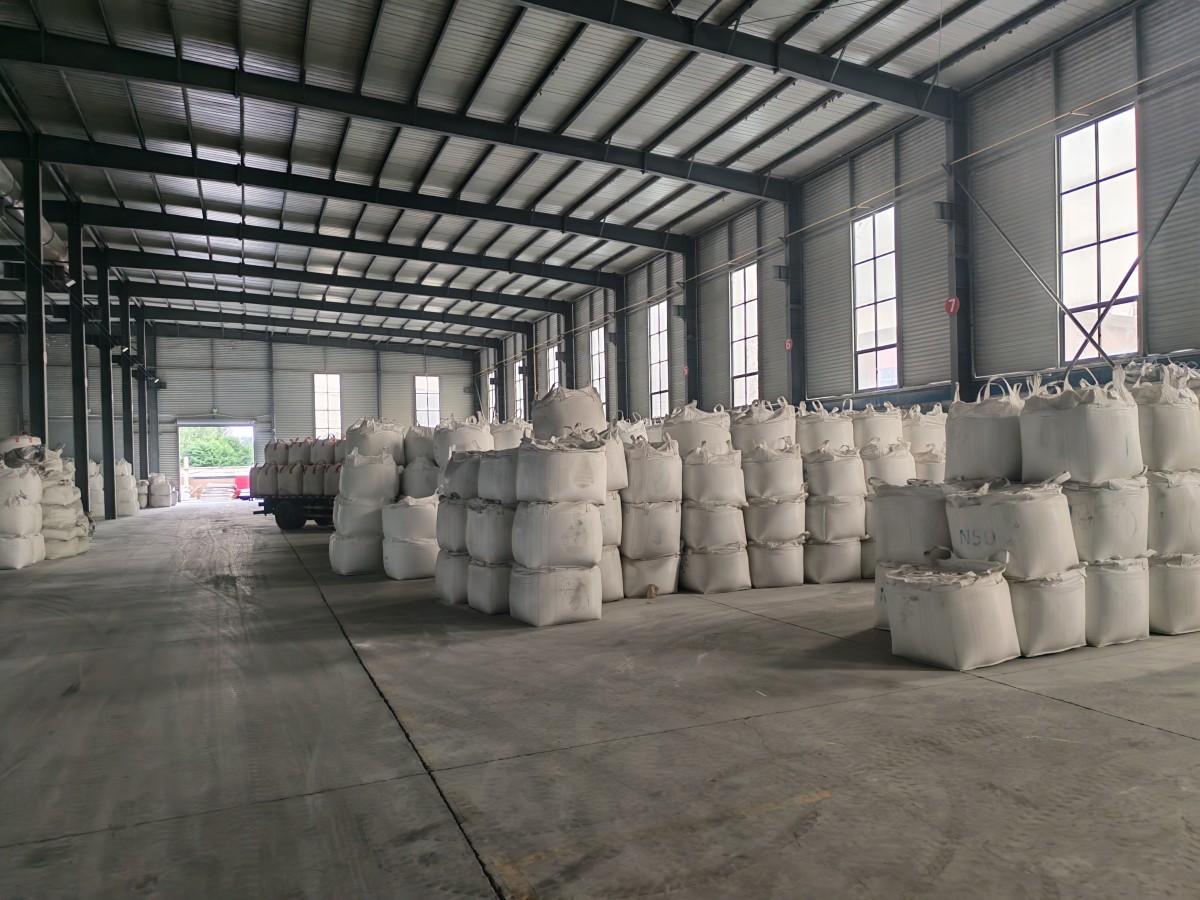
Before mixing, raw materials are usually screened, dried, weighed, and staged. This part sounds routine, but it is where many manufacturing differences begin to show. If quartz particles carry excess moisture, if powders are not graded consistently, or if resin temperature is not well managed, downstream defects become much more likely.
For buyers comparing suppliers, this is one of the least visible but most important checkpoints. A factory with disciplined raw material handling is usually better positioned to deliver repeat orders with lower color drift and fewer structural issues. A plant that treats input control casually may still produce attractive samples, but large-volume project supply becomes more risky.
Typical raw material control concerns include:
- Moisture variation in aggregates and powder
- Contamination from storage or transfer equipment
- Inconsistent weighing accuracy between batches
Resin aging or unstable storage conditions

Mixing is where appearance and internal structure are built together
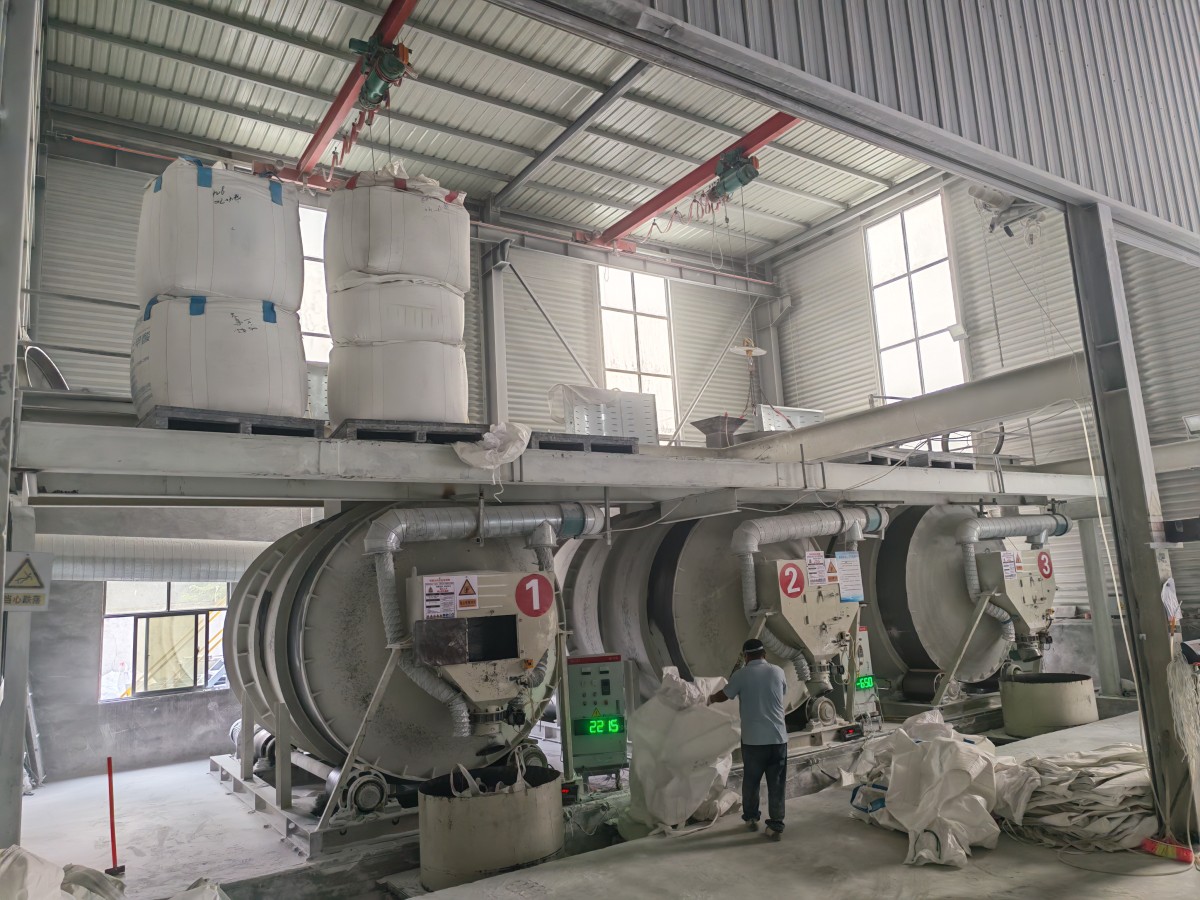
Once prepared, the raw materials enter the mixing stage. This is not only about combining ingredients. It is about achieving uniform resin coating, controlled pigment distribution, and the intended visual effect without trapping excess air.
For plain colors and fine-grain patterns, consistency is the main target. For veined or multi-tone designs, the process becomes more sensitive. Manufacturers may use layered feeding, controlled pigment dosing, or patterned distribution methods to create a natural-stone effect. The more complex the design language, the more difficult it becomes to maintain slab-to-slab repeatability.
This matters in commercial specification work. A dramatic showroom sample may look convincing, but if the production process is not stable, project delivery can suffer from noticeable variation across lots. In residential retail, some variation is accepted as part of a natural aesthetic. In hospitality, retail chains, and multi-unit developments, it often becomes a claims issue.
Vacuum vibro-compression is the core forming step
After mixing, the material is distributed into molds and formed into slab shape, typically through vacuum vibro-compression. This is one of the defining steps in engineered quartz manufacturing. Under vacuum, vibration and pressure compact the mixture, reduce trapped air, and improve density.
The goal is not simply to flatten the material. It is to create a slab with a dense and stable internal structure. If compaction is poor, the consequences can include pinholes, lower mechanical strength, edge weakness during fabrication, and inconsistent polish.
From a procurement perspective, this step often separates industrial-scale producers from smaller operators with more variable output. Equipment capability, mold condition, vacuum stability, and process control all affect the result. Two slabs may look similar when newly polished, but differ significantly in density and fabrication reliability because of how well this stage was executed.
What problems often originate here
- Visible or hidden porosity
- Weak edge performance during cutting and sink processing
- Higher breakage risk in transport or installation
Uneven internal distribution in large-format slabs
Curing is where the slab becomes usable material
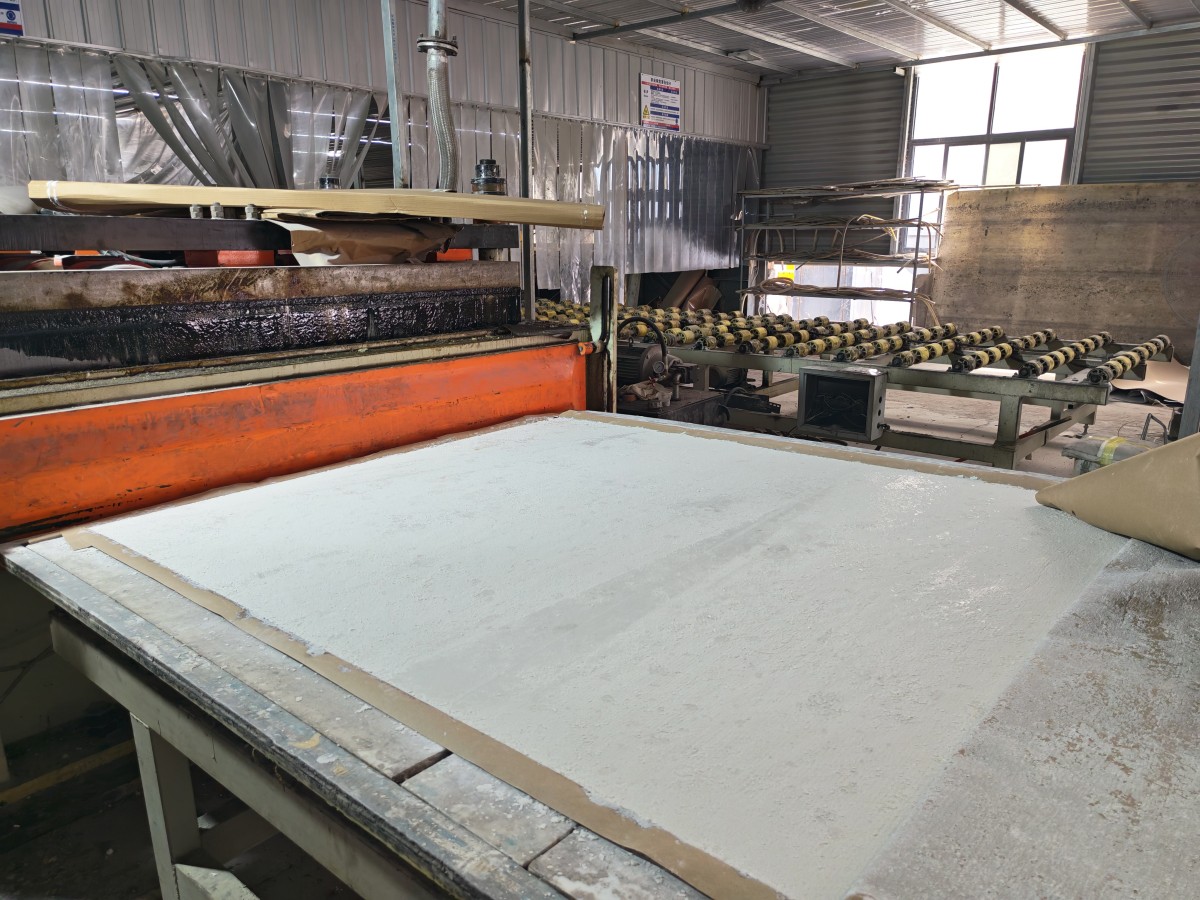
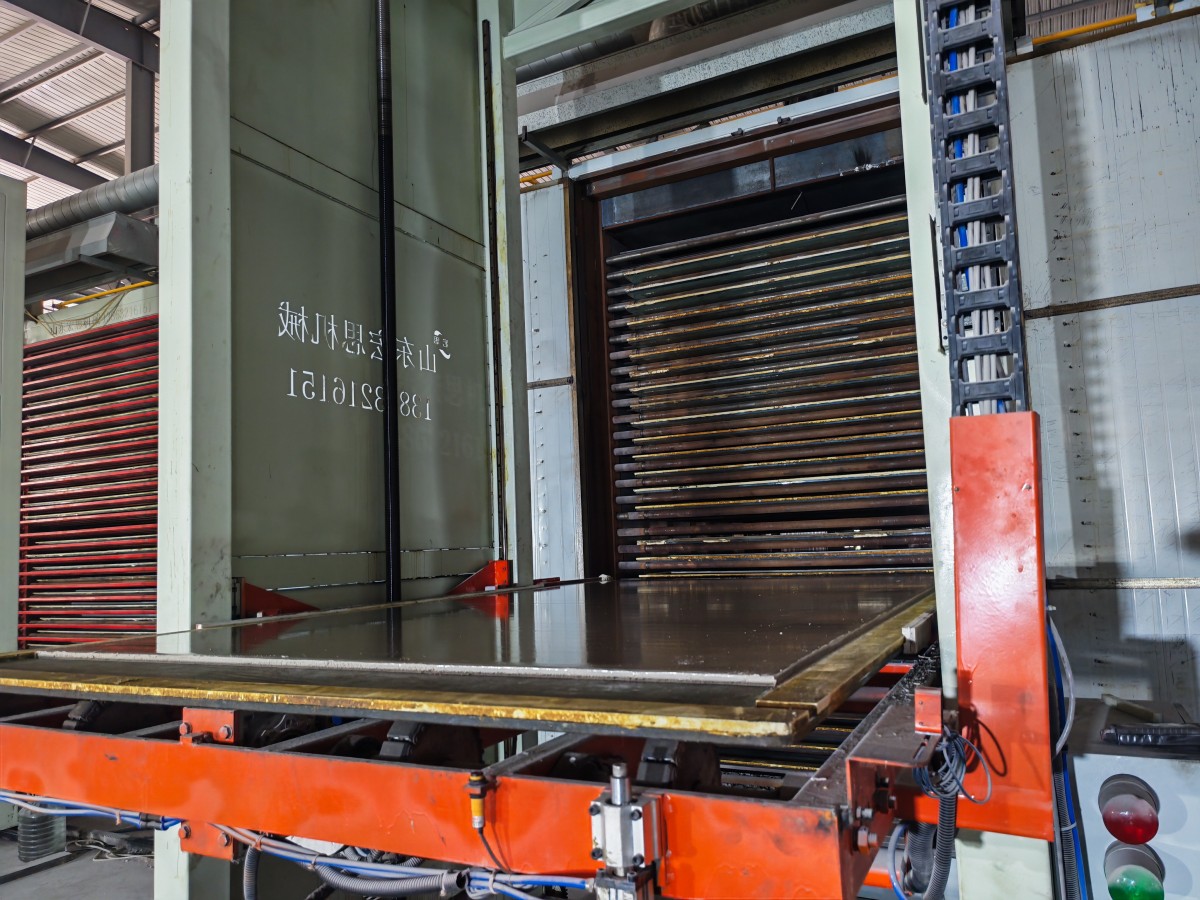
Once pressed, the slab moves into curing. Heat initiates or completes resin polymerization, allowing the slab to harden and stabilize. The exact curing profile depends on the resin system and production setup, but the principle is straightforward: incomplete or poorly controlled curing compromises the slab even if its appearance seems acceptable at first glance.
This is one reason buyers should be cautious about evaluating quartz purely from surface inspection. A slab can be glossy and visually clean yet still suffer from internal instability if curing has been rushed or uneven. Over time, that can show up as reduced stain resistance, dimensional instability, or problems during machining.
For factories, curing discipline is also linked to production economics. Faster throughput is attractive, but aggressive cycle compression can create hidden quality costs. That tradeoff is worth keeping in mind when a supplier offers unusually short lead times on complex colors or very large volumes.
Calibration, polishing, and finishing shape market acceptance
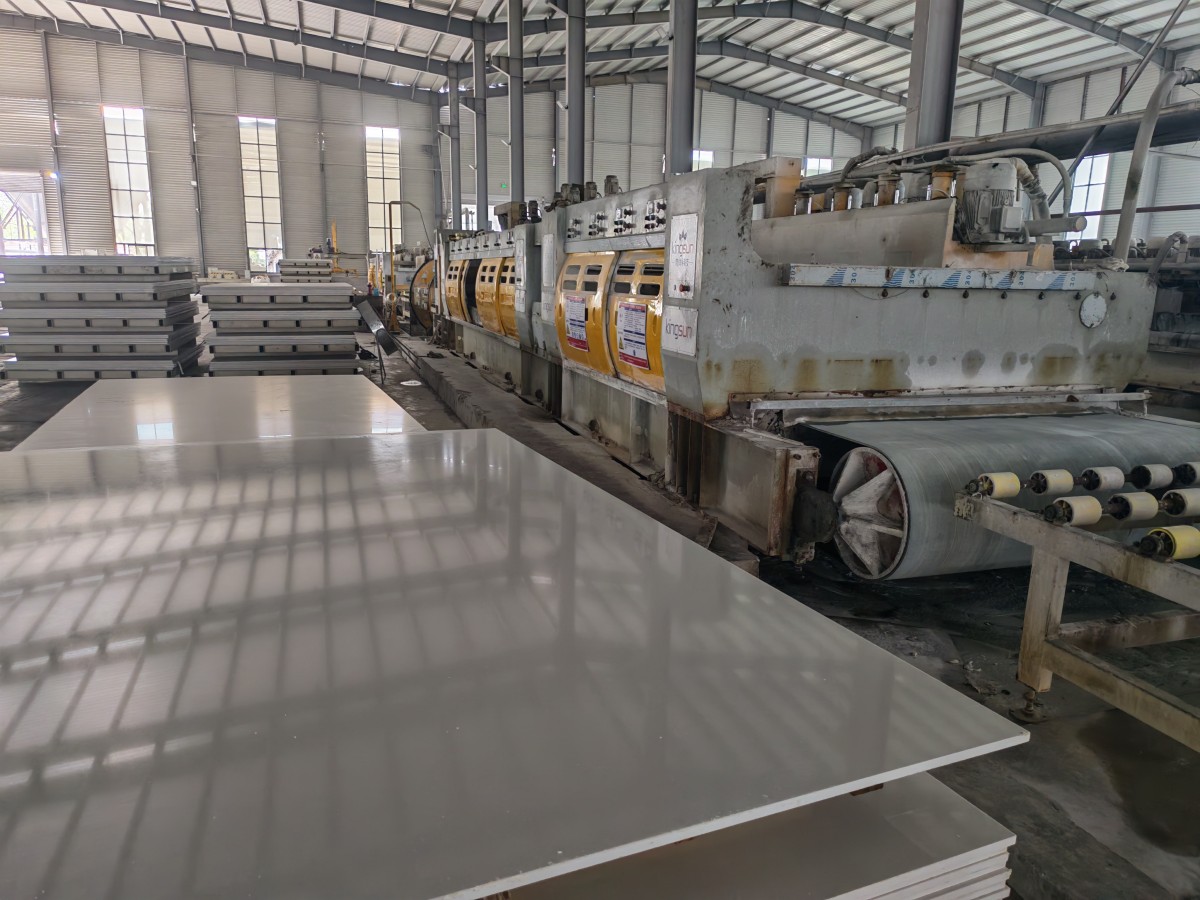
After curing, slabs are calibrated to thickness, then polished and finished. This is the stage most visible to customers, but it is still more than a cosmetic operation. Thickness consistency affects fabrication yield, seam alignment, and installation quality. Surface finishing affects gloss, tactile feel, reflectivity, and in some cases maintenance behavior.
Polishing quality should be judged on more than shine level. A highly polished surface with inconsistent flatness or residual micro-defects may create trouble later. Buyers should also pay attention to edge appearance after sample cutting, because that often reveals more about slab structure than the face alone.
Depending on the product line, manufacturers may offer polished, honed, or textured finishes. Each finish puts different demands on process control. Honed and matte surfaces, for example, can make certain color or distribution inconsistencies more visible. That does not make them inferior, but it does raise the bar for manufacturing stability.
Inspection is not one step at the end
In better-run plants, quality inspection is built through the process rather than treated as a final gate. Final checks still matter, but they should confirm what process control has already protected.
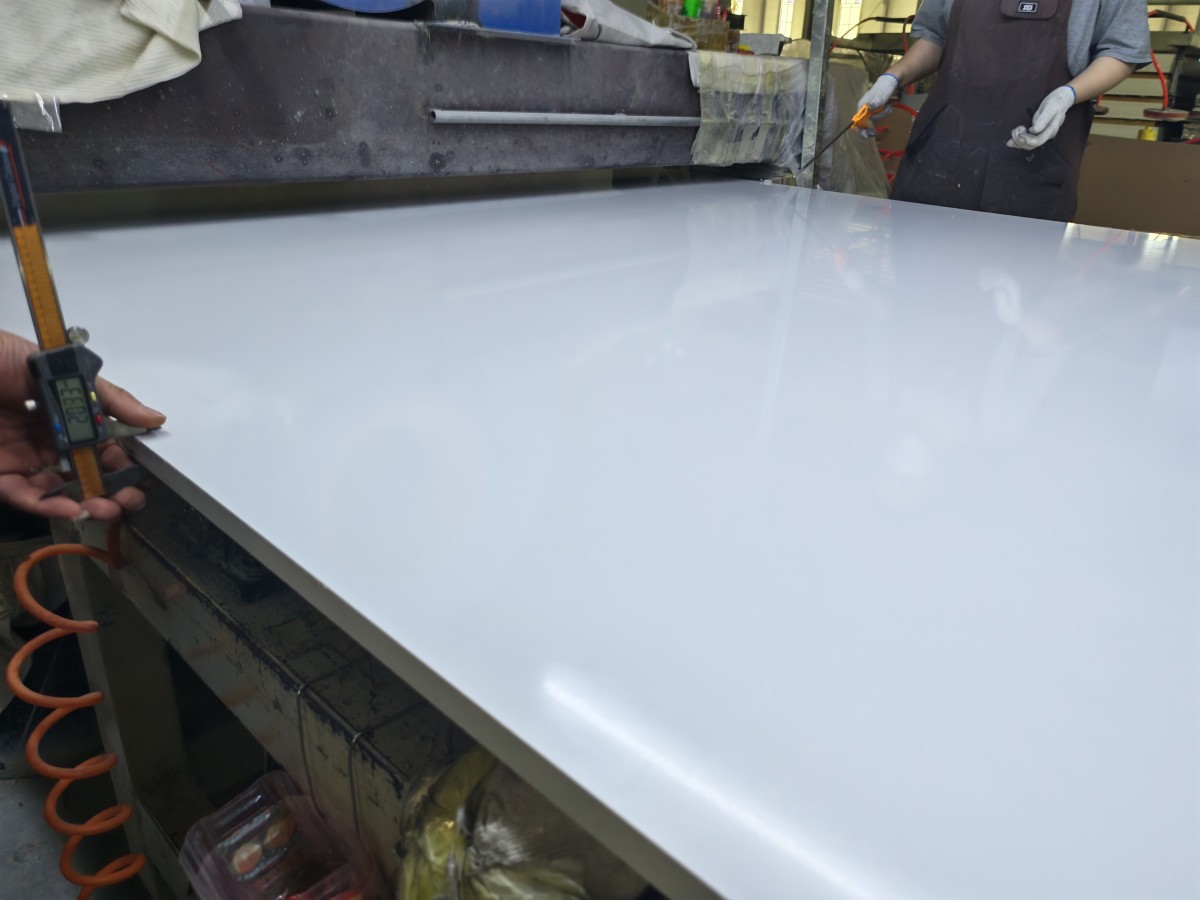
Typical inspection points may include visual appearance, thickness tolerance, density, flatness, color consistency, surface defects, and basic physical performance. Some producers also test water absorption, stain resistance, flexural strength, and thermal behavior according to target market requirements or customer specification. Exact standards and thresholds vary by market and application, and any claimed compliance should be checked against actual test reports or third-party certification where relevant.
For B2B buyers, inspection documents deserve careful reading. Not every report is equally useful. Questions worth asking include:
- Was the test conducted on the same product family being quoted?
- Is the report recent enough to reflect current production?
- Was testing done internally or by a recognized third party?
- Do the stated values relate to the intended application conditions?
Where fire performance, emissions, silica exposure control, or market-entry compliance is concerned, requirements can differ by country and project type. Those details should be confirmed case by case rather than assumed from generic marketing literature.
What the process means for specification and sourcing
For specifiers and buyers, the complete production process is useful because it helps translate factory talk into commercial judgment. When a supplier discusses equipment scale, resin system, vacuum pressing, curing capacity, or polishing lines, the key question is not whether the terminology sounds advanced. The key question is whether the process is controlled tightly enough to support your risk profile.
A residential distributor may accept broader visual variation if pricing is competitive and stock turnover is fast. A hotel fit-out contractor usually cannot. A kitchen fabricator may care most about workability and breakage rates. An importer may prioritize lot consistency, packaging, lead time discipline, and documentation readiness. The same slab category does not serve every business model equally well.
Where buyers often misread the category
One persistent issue in the market is the assumption that engineered quartz is a fully standardized product. It is not. The category name is shared, but manufacturing quality varies meaningfully by plant, process control, raw material strategy, and product positioning.
Another oversimplification is to treat quartz slabs as interchangeable with natural stone or sintered surfaces. They may overlap in application, but they are different materials with different production logic, fabrication behavior, and performance boundaries. That matters when evaluating heat exposure, UV sensitivity in exterior use, edge detailing, and maintenance expectations. Not every quartz product is suited to every decorative scenario, especially in demanding outdoor or high-heat conditions.
The practical takeaway
The complete engineered quartz slab production process is worth understanding because it gives buyers a better way to evaluate what they are being offered. Instead of relying only on showroom appearance or headline claims, they can ask sharper questions: how stable is the raw material system, how controlled is compaction and curing, how consistent are lots, and how credible is the quality documentation.
In this segment of building and decorative materials, manufacturing detail is not technical trivia. It is often the difference between a slab that performs quietly for years and one that turns into fabrication loss, installation delay, or post-project dispute.
If you want to see how this process performs at scale, our notes on Quartz Production Line Upgrade for Higher Slab Quality explain what changed on the line, and Strict Batch Inspection Standard for Export Quartz Orders shows how each finished batch is verified before it ships.
Related Articles
- How to Avoid Bubbles and Porosity in Quartz Stone
- Why Does Quartz Stone Warp and How We Control It
- Thickness Tolerance Standard for Export Quartz Slabs
- How We Control Color Difference in Bulk Quartz Orders
Source Quartz Slabs From a Process-Controlled Manufacturer
As a professional engineered quartz slab manufacturer and B2B supplier, we support global importers, fabricators, contractors, and project teams with stable batch quality, strict process control, and complete inspection documentation. Contact us for product specifications, samples, and project pricing.
📱 WhatsApp: +86 198 6115 3736
📧 Email: raykelee@hyquartzslabfactory.com
Send Us A Message