
Quartz Production Line Upgrade for Higher Slab Quality
Quartz Production Line Upgrade for Higher Slab Quality
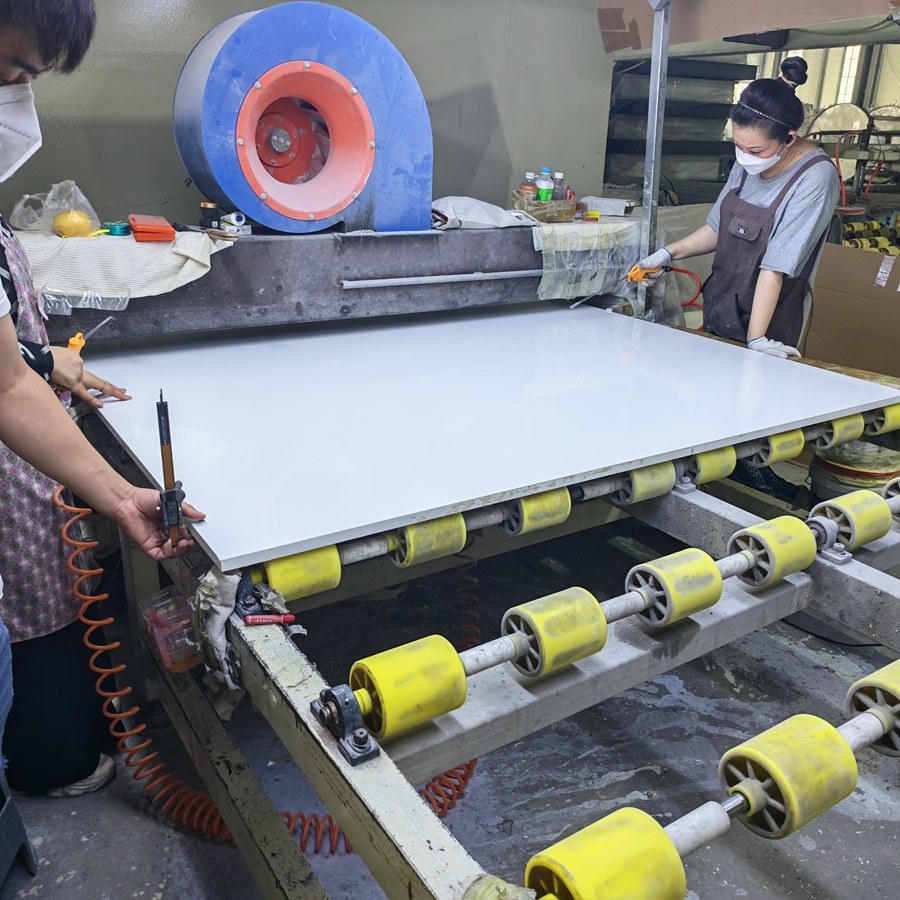
Quartz Production Line Upgrade for Higher Slab Quality
When a buyer asks why one factory's slabs look and perform better batch after batch, the honest answer is rarely a secret recipe. It is the equipment and the discipline behind it. A quartz production line upgrade is how a manufacturer converts raw quartz sand and resin into slabs with tighter thickness tolerance, fewer bubbles, and more stable color — order after order. In this article we walk through, from a factory's first-person perspective, exactly what such an upgrade involves, which stations change, and what it means for distributors, fabricators, and project contractors who buy quartz slabs in bulk.
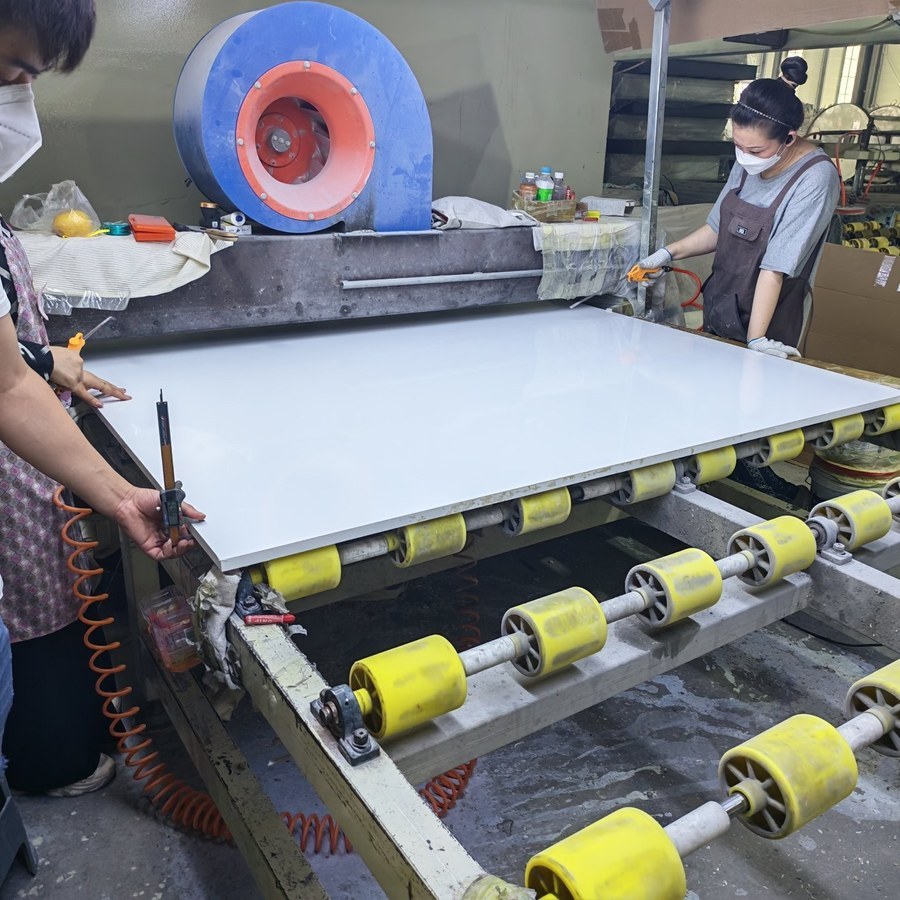
What a Quartz Production Line Upgrade Actually Involves
A quartz production line upgrade is not a single machine purchase. It is a coordinated rebuild of the whole flow: raw material handling, mixing, pressing, curing, calibrating, polishing, and inspection. In practice, a serious upgrade touches four stations at minimum — automated batching and mixing, vacuum pressing, controlled curing, and digital monitoring with real inspection data. Factories that upgrade only one station usually see limited gains, because slab quality is decided by the weakest link in the chain.
It also changes how the factory measures itself. Before an upgrade, quality checks often happen at the end of the line, when a defective slab is already a sunk cost. After a quartz production line upgrade, sensors and gauges feed data back during production, so an abnormal batch of resin, a drifting press pressure, or a curing cycle that runs out of specification is caught while the slabs can still be corrected or quarantined before packing.
Automated Batching and Mixing: The First Quality Gate
Slab consistency starts with the recipe. Quartz slabs are typically more than 90% natural quartz by weight, blended with polymer resin, pigments, and additives. If the resin dosing drifts by even a small margin, the finished slab may cure unevenly, show color shift between batches, or lose impact strength. An upgraded mixing station weighs each component automatically against a digital recipe, instead of relying on manual scooping and timing.
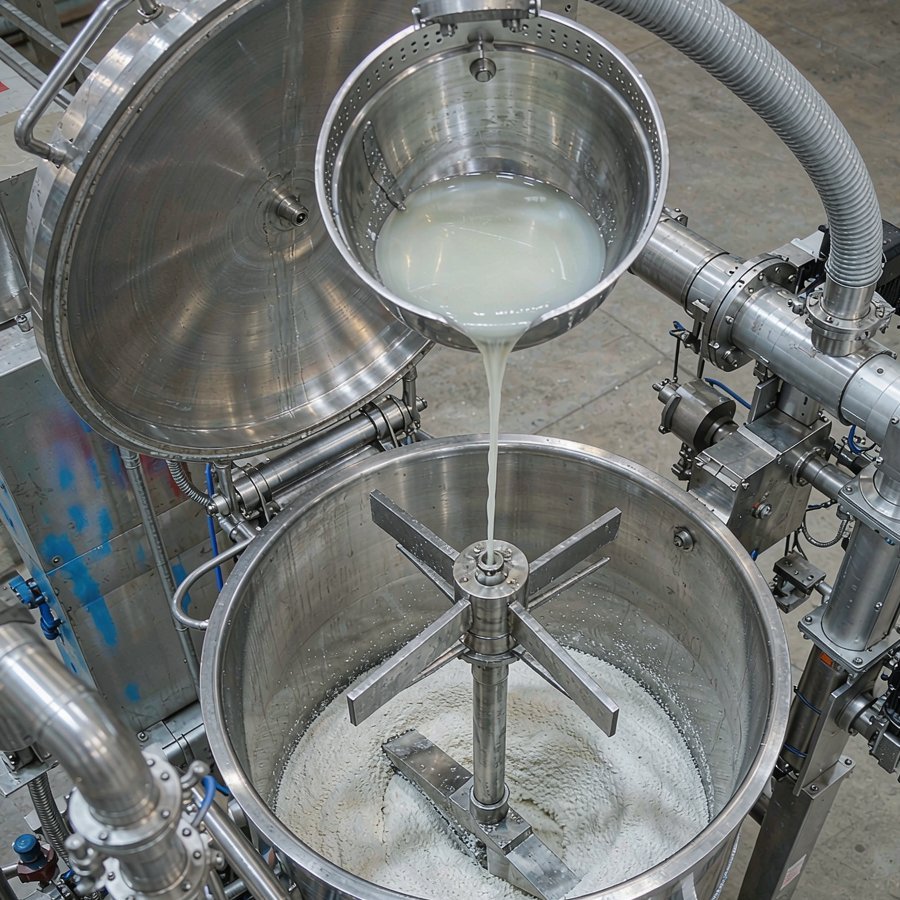
Automated mixing also shortens the window where human error can enter the process. In our own line, recipe parameters are locked per color and per batch, and the mixer logs actual weights for every mix. When a customer later asks why one batch of a popular white differs from another, we can trace the exact resin and pigment lots used — something manual mixing lines simply cannot document.
Vacuum Pressing: Denser Slabs, Fewer Bubbles
Pressing is where a slab gets its density, and density drives nearly every performance claim that matters to buyers: water absorption, stain resistance, and flexural strength. A vacuum press removes air from the compound while hydraulic rams compact it at high pressure. Under-vacuumed or under-pressed slabs trap micro air pockets that later become pinholes, porosity, or weak spots under fabrication.
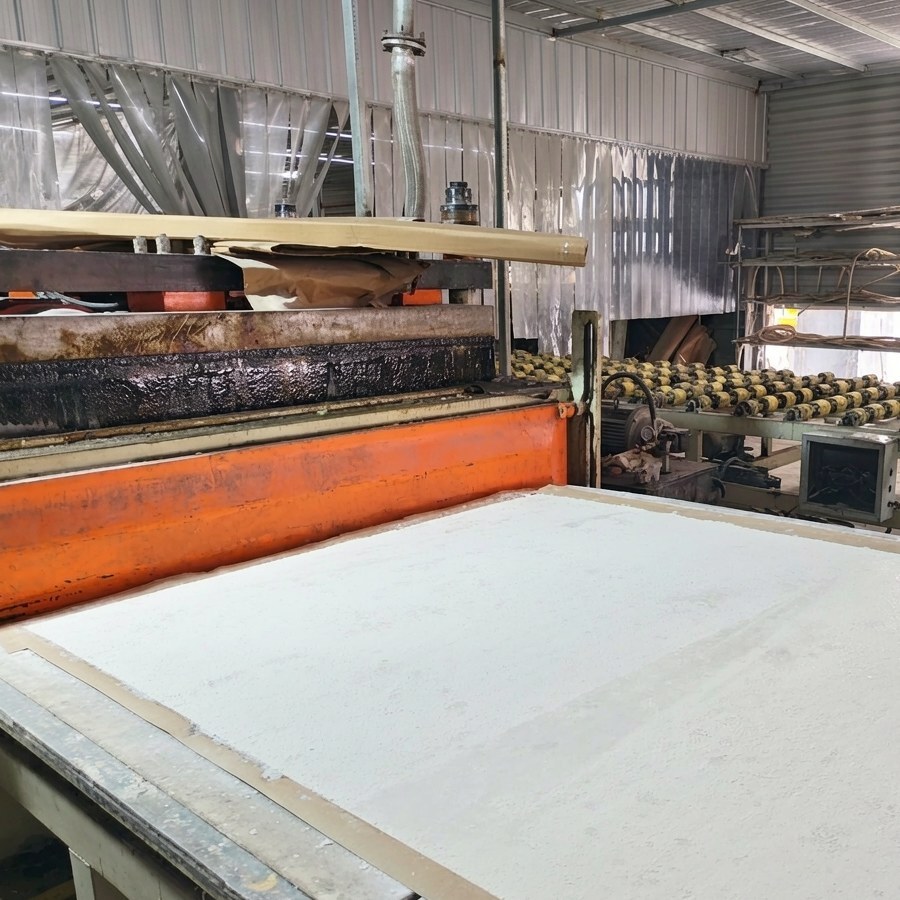
A quartz production line upgrade at the press station typically means higher and more stable pressing tonnage, better vacuum sealing, and pressure curves that are recorded for each cycle. The practical result is a slab that calibrates uniformly, polishes to a more even gloss, and survives cutting and cutout work with fewer hidden defects.
Curing Control and Digital Monitoring
After pressing, the slab must cure so the resin fully hardens. Curing is easy to underestimate: temperature that is too low leaves slabs under-cured and prone to warping, while overheating can stress the resin and discolor light colors. Upgraded lines move slabs through curing chambers with programmable temperature curves instead of fixed ovens and guesswork.
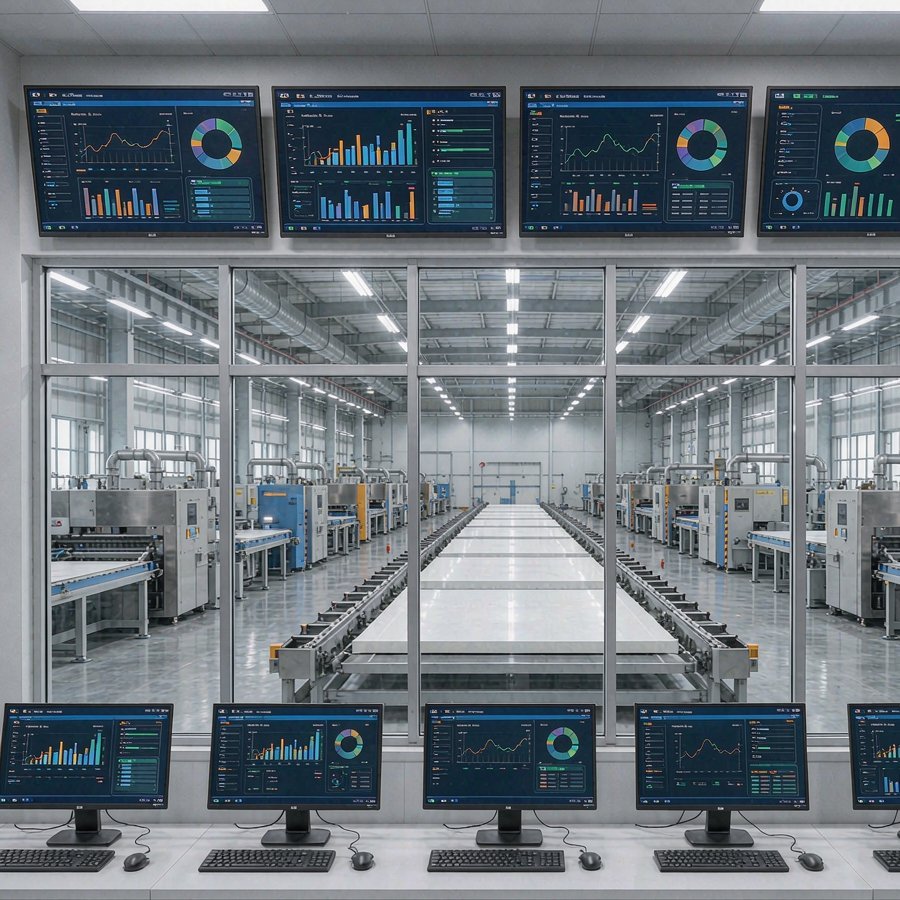
Digital monitoring ties the whole line together. Each production parameter — mix weights, press pressure, vacuum level, curing temperature — is logged against a batch number. For B2B buyers this is not just factory trivia. It is what allows a supplier to state, honestly, that a bulk order matches the approved sample: the data exists to prove the process never drifted.
Tighter Thickness Tolerance and Surface Quality
The stations buyers actually see are calibration and polishing. After a quartz production line upgrade, calibration grinds each slab to a target thickness with a tolerance of roughly ±0.5 mm instead of a looser "close enough" range. That matters enormously for projects: when a contractor lays slabs or tiles side by side, uneven thickness becomes lippage, extra grinding on site, and wasted labor.
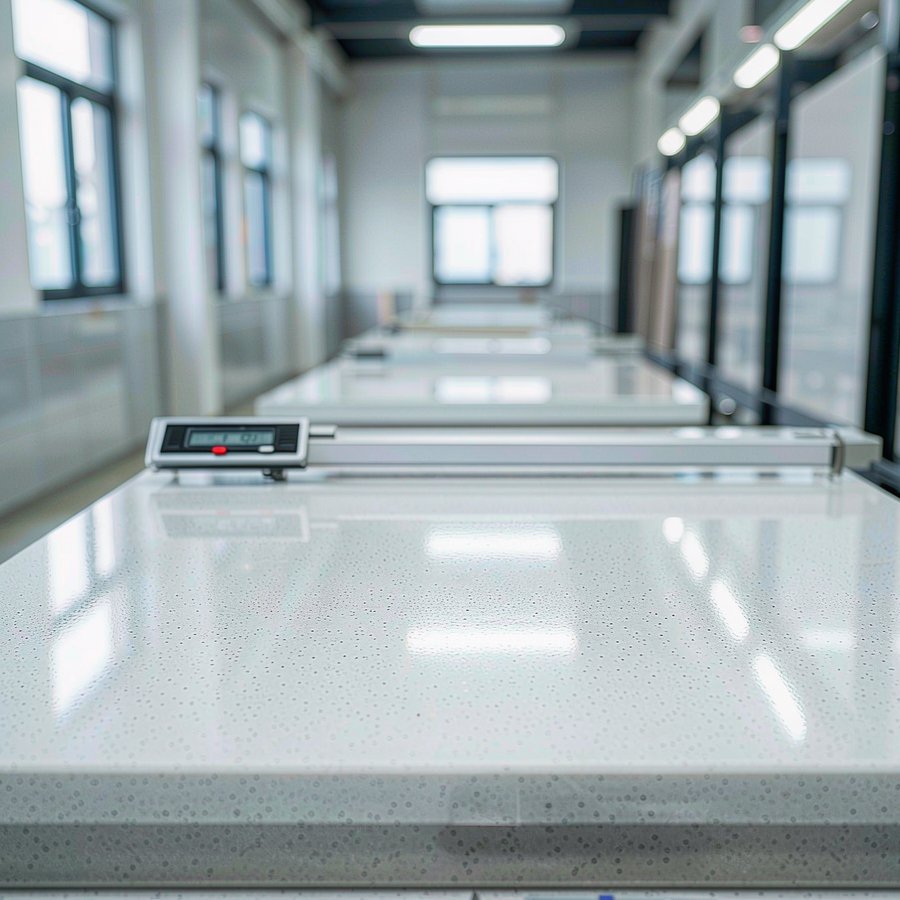
Polishing heads on an upgraded line adjust pressure and sequence automatically, so gloss stays within a narrow band across the whole slab — not brighter in the middle and duller at the edges. Consistent gloss is one of the first things a distributor's customers notice, and one of the most common reasons bulk orders get rejected.
What an Upgraded Line Means for B2B Buyers
If you buy quartz slabs for fabrication or projects, a quartz production line upgrade shows up in four measurable ways. First, lower defect rates: fewer slabs with bubbles, warping, or color drift means fewer claims and replacements. Second, better batch-to-batch consistency: containers shipped months apart still match the original approved sample. Third, more reliable lead times: automated lines run predictable cycles, so production planning is less likely to slip. Fourth, documentation: batch records make quality disputes solvable with facts instead of arguments.
The honest caveat is that an upgrade is a capability, not a guarantee. A factory must still run the line with discipline — maintaining equipment, training operators, and acting on the data it now collects. When you audit a supplier, ask not only "did you upgrade?" but "what do you measure, and what were your last three months of defect rates?" A serious manufacturer will answer with numbers.
Common Misconceptions About Production Line Upgrades
Misconception 1: New machines automatically mean better slabs. Equipment sets the ceiling, but process control decides where you land between that ceiling and the floor. A well-run older line can outperform a neglected new one.
Misconception 2: An upgraded line is only for premium colors. In reality, standard whites and popular greys benefit most, because they ship in the highest volume and tolerate color drift the least. Consistency on volume colors is exactly what a quartz production line upgrade is built to deliver.
Misconception 3: Quartz is heat-proof because it is engineered. No. Resin is still the weak point; hot pans can scorch or discolor the surface. A better line makes the slab denser and more consistent — it does not change the material's basic chemistry. We would rather tell buyers this directly than let a claim collapse in front of their customer.
Frequently Asked Questions
Q1: How long does a full quartz production line upgrade take?
A meaningful upgrade — batching, pressing, curing, and monitoring — typically runs in phases over several months, with the line kept partly operational so existing orders are not disrupted. The mixing and press stations usually come first, since they have the largest effect on slab quality.
Q2: Does an upgraded line change available slab sizes or thicknesses?
It can. Stable pressing and calibration make it practical to hold tight tolerance across large-format slabs and across the common 15 mm, 18 mm, and 20 mm thicknesses. Ask your supplier which sizes the upgraded line is currently certified to produce, not just which sizes the brochure lists.
Q3: Can buyers verify the upgrade before committing to a bulk order?
Yes, and you should. Request recent batch photos, thickness measurement reports, and — best of all — a sample cut from the current running line rather than a showroom piece. A factory confident in its quartz production line upgrade will welcome verification; one that hesitates is telling you something.
Conclusion: Higher Slab Quality Is a Process, Not a Promise
A quartz production line upgrade is how a factory turns "we care about quality" into measurable tolerances, logged batch data, and slabs that match the sample you approved. For buyers, the takeaway is simple: evaluate suppliers by their process evidence — thickness tolerance, defect rates, batch consistency — not by their marketing photos. The slab you ship to your customer is only as good as the line it came from.
Shandong Hongyue Quartz Stone Co., Ltd. supplies engineered quartz slabs from an upgraded, digitally monitored production line, with factory-direct pricing for distributors, fabricators, and project contractors worldwide. Send us your color, size, and quantity, and we will reply with samples and a quotation.
Related Articles
- Complete Engineered Quartz Slab Production Process
- Strict Quality Control System for Export Quartz Slabs
- How We Control Color Difference in Bulk Quartz Orders
- Custom Cut Quartz Slabs for Project Installation
Quartz Slab Supplier with an Upgraded Production Line
Looking for a supplier whose quartz production line upgrade shows in every container? Contact Shandong Hongyue Quartz Stone for slab catalogs, samples, and project quotations — we support bulk orders with batch consistency reports and export-grade packing.
📱 WhatsApp: +86 198 6115 3736
📧 Email: raykelee@hyquartzslabfactory.com
Send Us A Message