
Importing Quartz Slabs from China: A Step-by-Step Guide
Importing Quartz Slabs from China: A Step-by-Step Guide
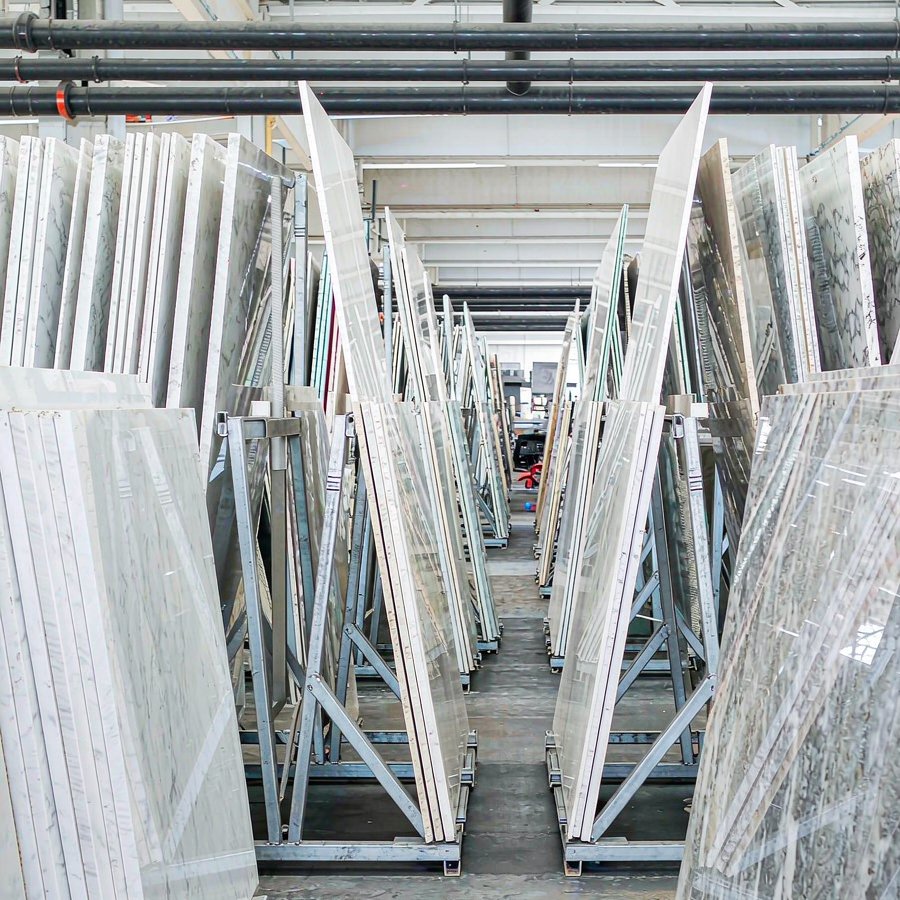
To import quartz slabs from China is one of the most cost-effective ways for a distributor, fabricator or project buyer to source engineered stone. But the first container is also where most costly mistakes happen — wrong colours, missing certification, a shipment held at customs, or a supplier who disappears after the deposit. This guide walks through exactly how to import quartz slabs step by step, from finding a plant you can trust to clearing the slabs through your local port.
Why Buyers Choose to Import Quartz Slabs from China
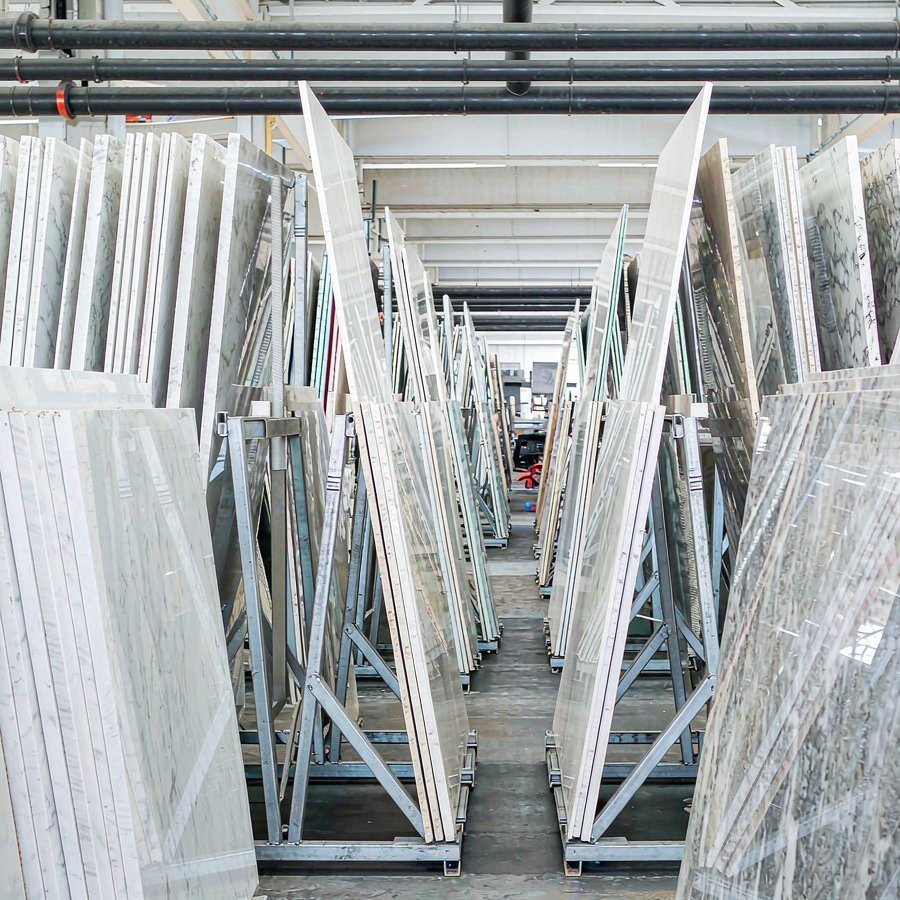
China is the world's largest producer of engineered quartz, which means buyers who import quartz slabs here get the widest colour range, the most competitive ex-works pricing, and plants that ship containers every week rather than every quarter. For a distributor, that translates into faster reorder cycles and tighter margins; for a fabricator, it means a reliable slab to cut and install without waiting months for a niche brand.
The trade-off is distance and paperwork. When your order crosses an ocean, you are managing a supplier you may never visit, a shipping line, a freight forwarder, and your own customs broker. The steps below keep that chain under control.
What to Prepare Before Your First Order
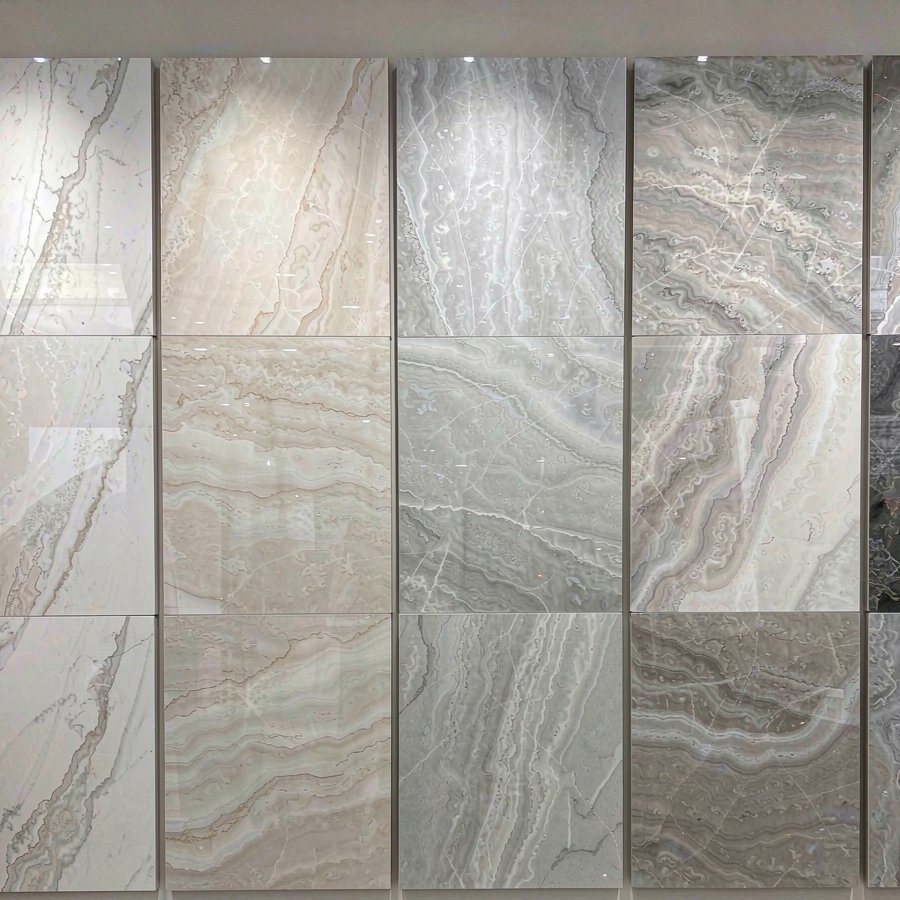
Before you ask for a single quote, get your brief straight. Buyers who start well usually hand the factory four things up front: the colours or a physical sample, the required format and thickness (typically 3200×1600 mm at 18 mm or 20 mm), an estimated quantity, and the destination port. If you need NSF, SGS or ISO documentation for your market, say so now — a prepared plant keeps these current.
You should also decide early whether you want a full container of one colour or a mixed load. A mixed container is the safer way to start, because it lets you test several colours in your market without committing a whole box to a single shade.
Finding a Supplier You Can Trust
The hardest part of a first order is separating a real factory from a trading company with a nice website. Ask for a live video walkthrough of the press and polishing line, request batch records, and check that the address maps to an actual plant. A genuine manufacturer speaks in batch numbers and tolerances; a reseller speaks in mood boards and "we can get you anything".
For a deeper checklist on vetting plants, our guide on quartz slab manufacturers in China covers MOQ, samples, QC and payment terms in detail — it pairs well with this import walkthrough.
How the Import Quartz Slabs Process Works, Step by Step
The actual sequence is fairly standard once you have a supplier. It runs like this:
1. Inquiry and quotation. Send your brief and receive an EXW or FOB quote per slab, with lead time. Clarify what the price includes and what it does not.
2. Samples. Order a few sample slabs or a colour book before committing a container. This is the cheapest insurance you can buy on a first order.
3. Proforma invoice and deposit. Expect a 30% deposit with the balance against a bill of lading or before loading, depending on the terms you negotiate.
4. Production and QC. The plant mixes, presses, cures, polishes and inspects. Ask for a pre-shipment inspection report and photos of your actual batch.
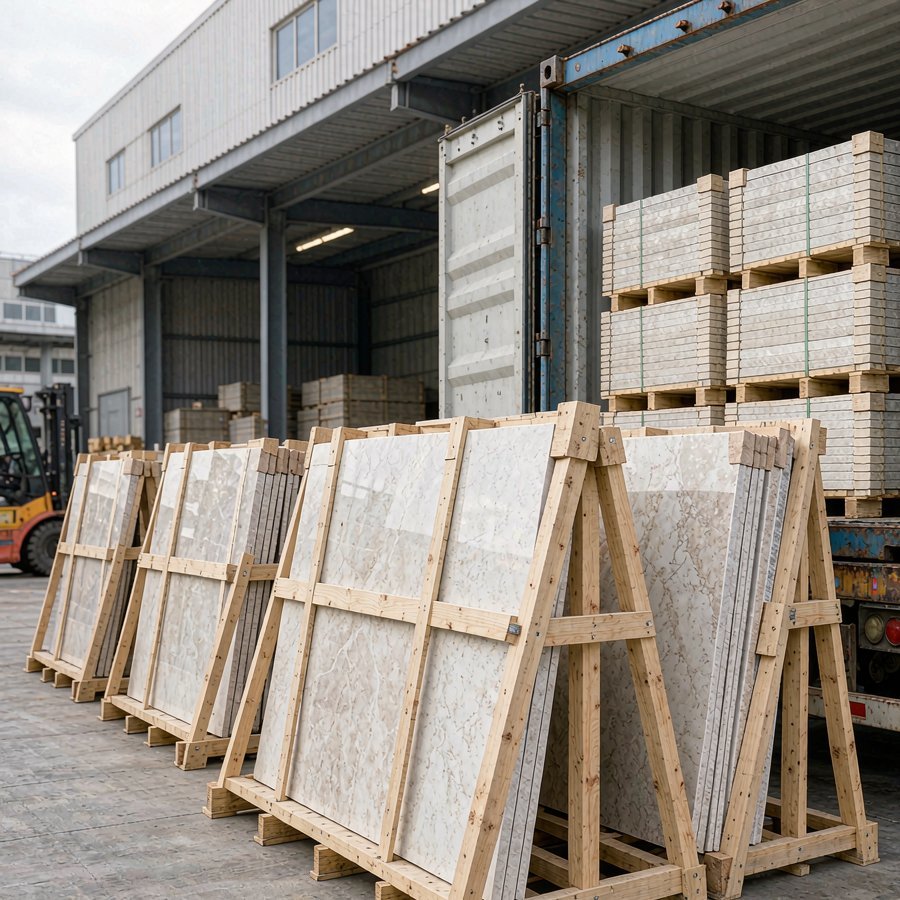
5. Container loading. Slabs are crated, A-foamed or strapped, and loaded under supervision. A loading photo per colour protects you if transit damage is disputed.
6. Shipping and documents. You receive the bill of lading, commercial invoice, packing list and certificate of origin. These are what your broker uses to clear the goods.
7. Customs clearance. Your broker files the entry, pays duties, and releases the container to your warehouse.
Shipping and Container Loading When You Import Quartz Slabs
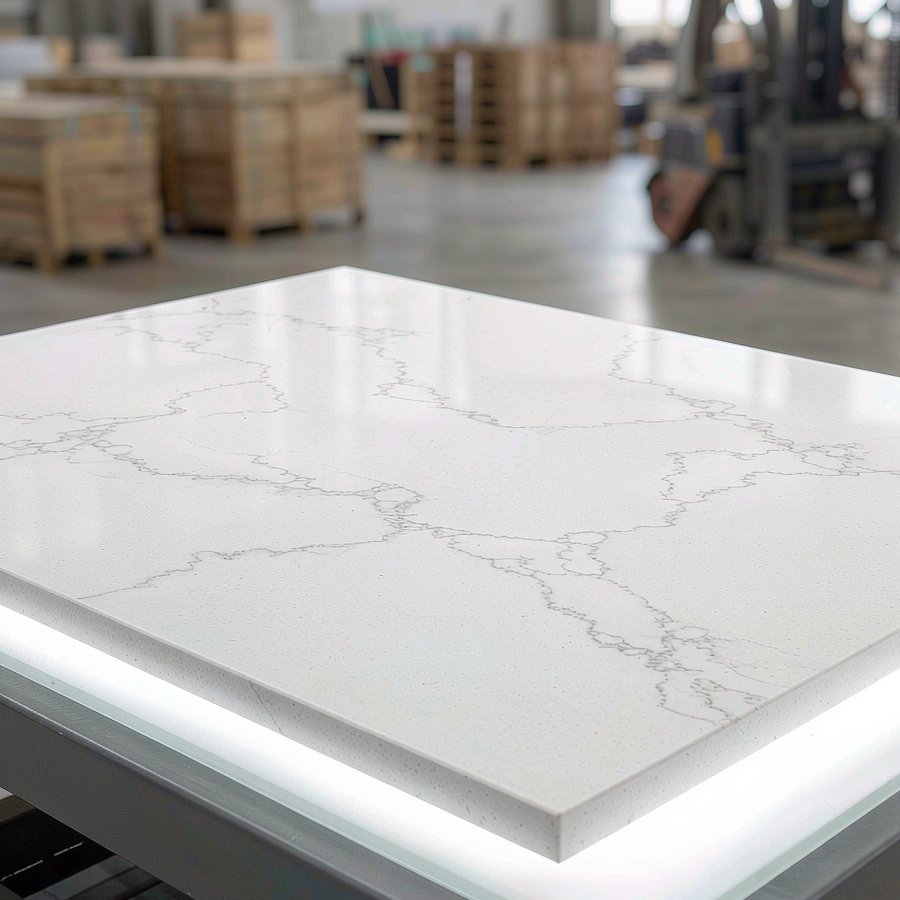
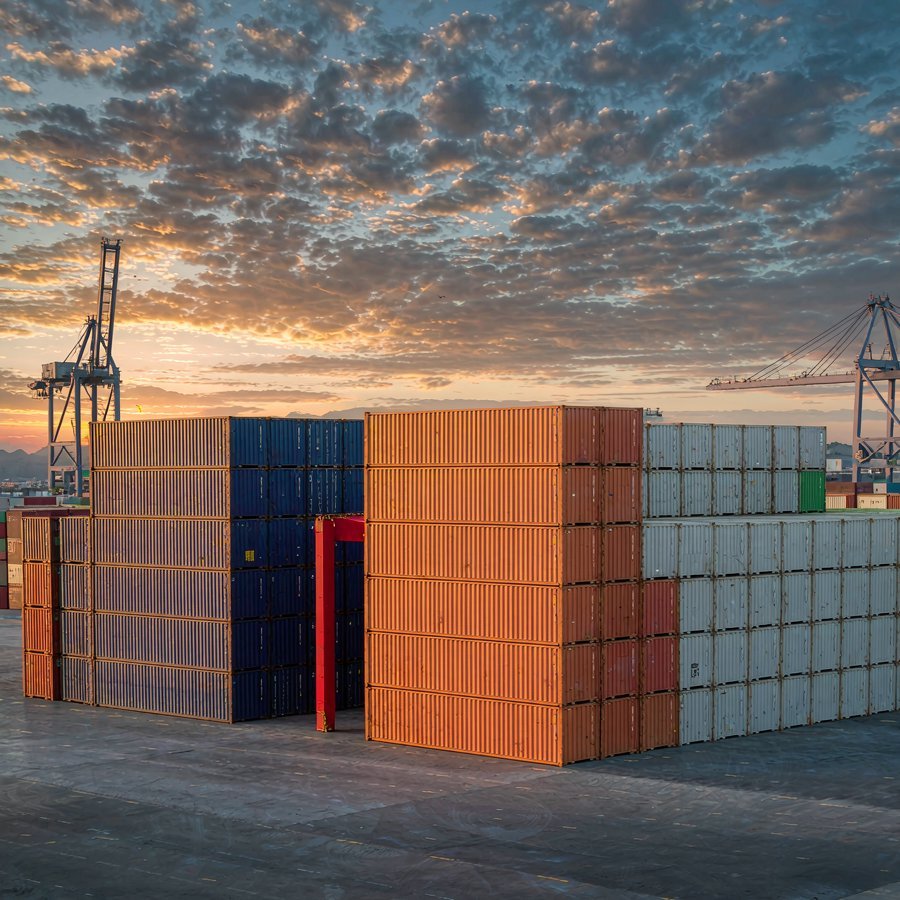
Most buyers ship by sea in 20-foot or 40-foot containers. A 20-foot box typically holds roughly 80 to 110 slabs depending on thickness and packaging; a 40-foot high-cube roughly doubles that. The factory should confirm the exact count for your chosen format, because a slab that is a few millimetres thicker changes the math.
Packaging matters as much as the count. Proper A-frame crating and edge protection are what keep a long ocean voyage from turning into a claim. On a long voyage, insist on photos of the loaded container before the seal goes on.
Duties, Taxes and Customs Documents
Every country treats stone differently, so the duty you pay depends on your HS code and trade agreements. Engineered quartz commonly falls under headings around 6802 or 6810, but you must confirm the exact code with your broker — guessing costs more than asking. Budget for the duty, the broker fee, and local delivery from the port to your warehouse.
Keep the paperwork tight. A missing certificate of origin or a mismatched invoice value is the fastest way to have a container sit at the port accruing demurrage. Buyers who plan the document pack carefully avoid the most common delays.
Common First-Order Mistakes
The first container is where lessons get expensive. The usual errors: skipping samples and trusting a catalogue photo; accepting a trader's word instead of verifying a plant; forgetting certification your market requires; under-budgeting for duties and inland freight; and loading one full container of a single untested colour. None of these is fatal on a second order — but the first time, each one can erase your margin.
A patient supplier will walk you through FOB versus EXW, container loading, and how many slabs fit your box. That guidance is part of the relationship, not an upsell, and it is a good signal of whether you are dealing with a plant or a middleman.
Lead Times and MOQ to Expect
Standard colours usually ship in about two to four weeks; custom colours or patterns run longer because the mix and press tooling are unique to the order. Minimum order quantity varies — some plants set a full container as the floor, others accept a mixed pallet so a smaller distributor can start. Our explainers on quartz slab MOQ and buying quartz slabs wholesale go deeper on both, and on what actually drives quartz slab price so you can read a quote correctly.
Import Quartz Slabs FAQ
How many slabs fit in a container when I import quartz slabs?
A 20-foot container typically holds roughly 80 to 110 slabs; a 40-foot high-cube about double. Your supplier confirms the exact number for your format and thickness.
Do I need NSF or SGS certificates?
If you sell into the US, Canada or the EU, these test reports are commonly requested by buyers and customs. A prepared factory keeps them current and can hand them over before shipment.
Is a sample worth it before a full container?
Almost always yes. A sample or colour book is the cheapest way to verify the slab matches the photo before you commit by the container.
FOB or EXW — which is better for a first-time importer?
FOB is usually simpler: the factory handles delivery to the port and loading, and your freight forwarder takes over from there. EXW leaves all transport to you, which saves little but adds risk if you are new.
What documents do I need to clear the goods?
Bill of lading, commercial invoice, packing list and certificate of origin are the core set. Your broker may ask for more depending on the market.
Choosing the Right Partner to Import Quartz Slabs
The right partner to work with is the one that answers the awkward questions — batch traceability, certification dates, real capacity, exact container counts — without hesitation, and shows you the line instead of just a price sheet. Price matters, but a slab that arrives inconsistent, undocumented, or stuck at customs costs more than the saving was worth.
If you are ready to import quartz slabs from a verified plant, reach our export team directly — we walk new importers through the whole process, from sample to cleared container.
WhatsApp: +86 198 6115 3736
Email: raykelee@hyquartzslabfactory.com
If you are deciding which trade term to use when you import quartz slabs, our separate guide on FOB vs EXW vs CIF breaks down landed cost and risk transfer.
Before you book space, see our guide on how many quartz slabs fit in a container (20ft/40ft).
Related Reading
Send Us A Message