
Quartz Slab FOB vs EXW vs CIF: What Your Price Really Means
Quartz Slab FOB vs EXW vs CIF: What Your Price Really Means
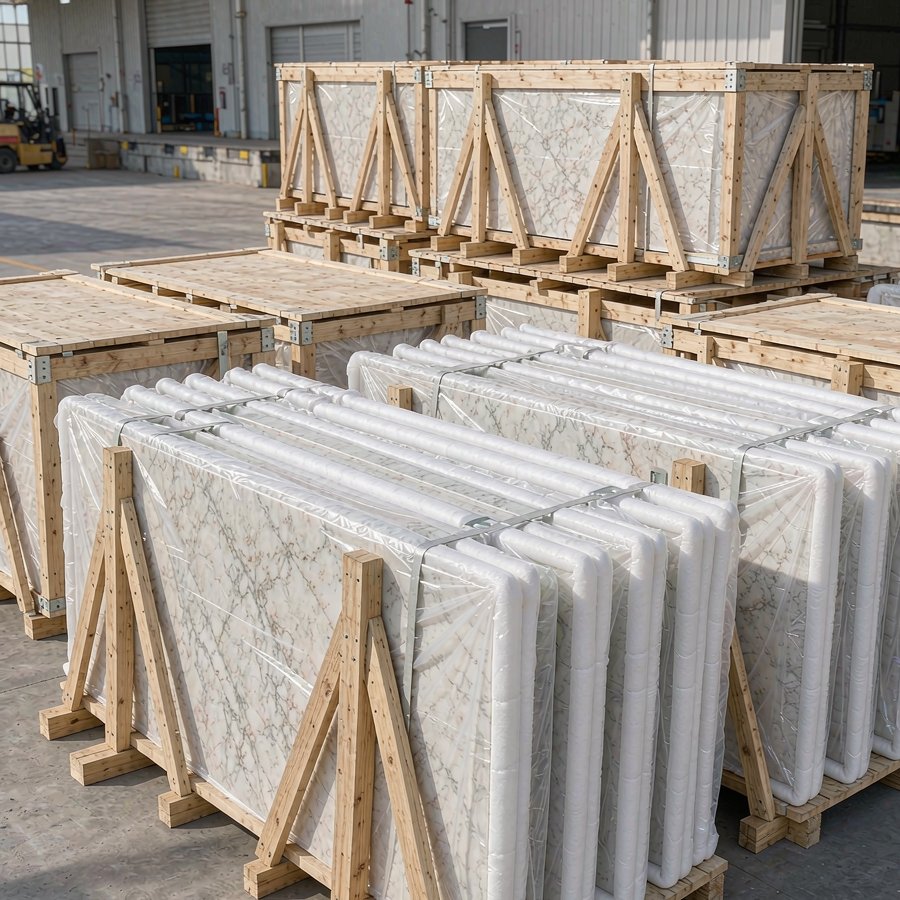
When you compare quotes from different suppliers, the number on the page is only half the story. The letters after it — EXW, FOB, CIF — decide who pays for freight, insurance and the risk of a slab breaking at sea. A quartz slab FOB quote and a CIF quote for the same slab can look worlds apart, yet land at nearly the same cost if you read them correctly. This guide explains what each term really means for a stone buyer, and how to choose the one that fits your business.
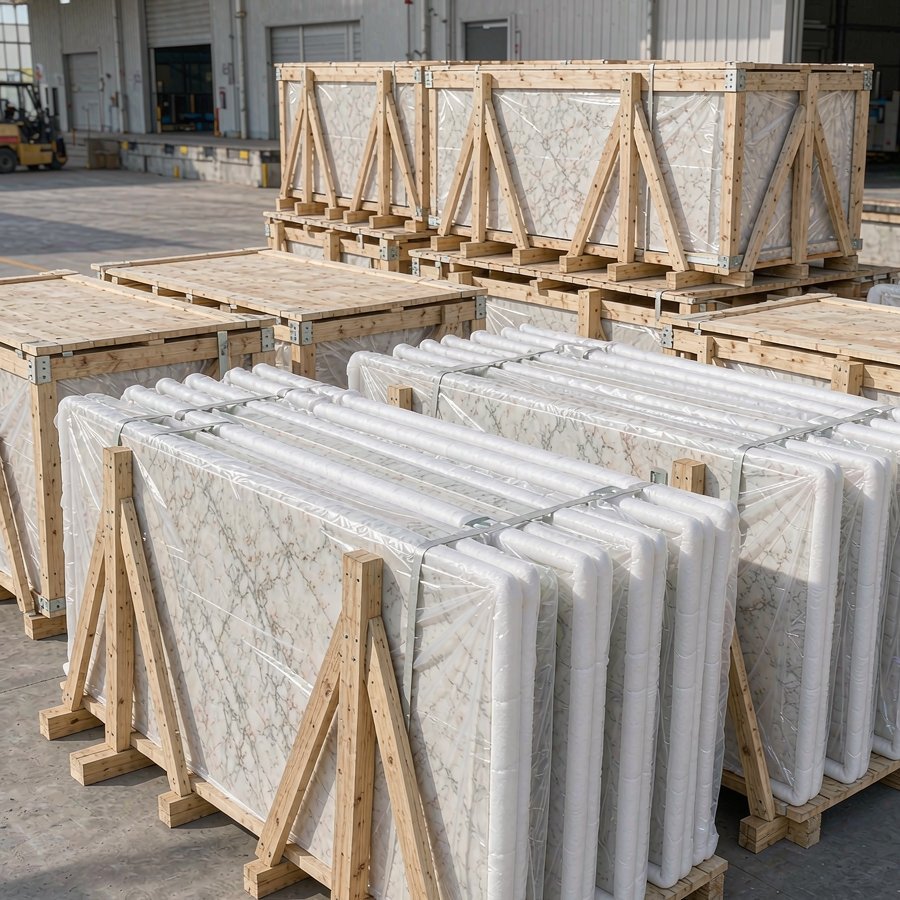
Why the Trade Term Matters as Much as the Price
Two suppliers can quote the identical slab at the identical quality, and still hand you two very different totals. The difference is almost never the stone; it is the trade term. A quartz slab FOB price covers the slab, packing, delivery to the port and loading onto the vessel. A CIF price adds ocean freight and insurance on top. If you only compare the printed number, you are comparing apples to oranges.
Understanding the terms lets you negotiate on the part that actually moves your margin — landed cost, not ex-works cost. For most international buyers the quartz slab FOB structure is the cleanest starting point, because it separates the part the factory controls from the part your freight forwarder controls.
EXW — Buying at the Factory Gate
EXW, or Ex Works, means the price stops at the factory's loading dock. You arrange everything after that: pickup, export clearance, freight, insurance, and delivery to your warehouse. The slab is yours the moment it leaves the plant.
EXW looks cheap on paper, but it shifts the most work and the most risk onto you. Unless you already have a trusted freight forwarder in China who can collect, clear and book the container, EXW usually costs a first-time importer more in hidden fees and delays than it saves. An FOB quote is often the safer choice for anyone placing a first container.
FOB — The Standard Quartz Slab FOB Quote
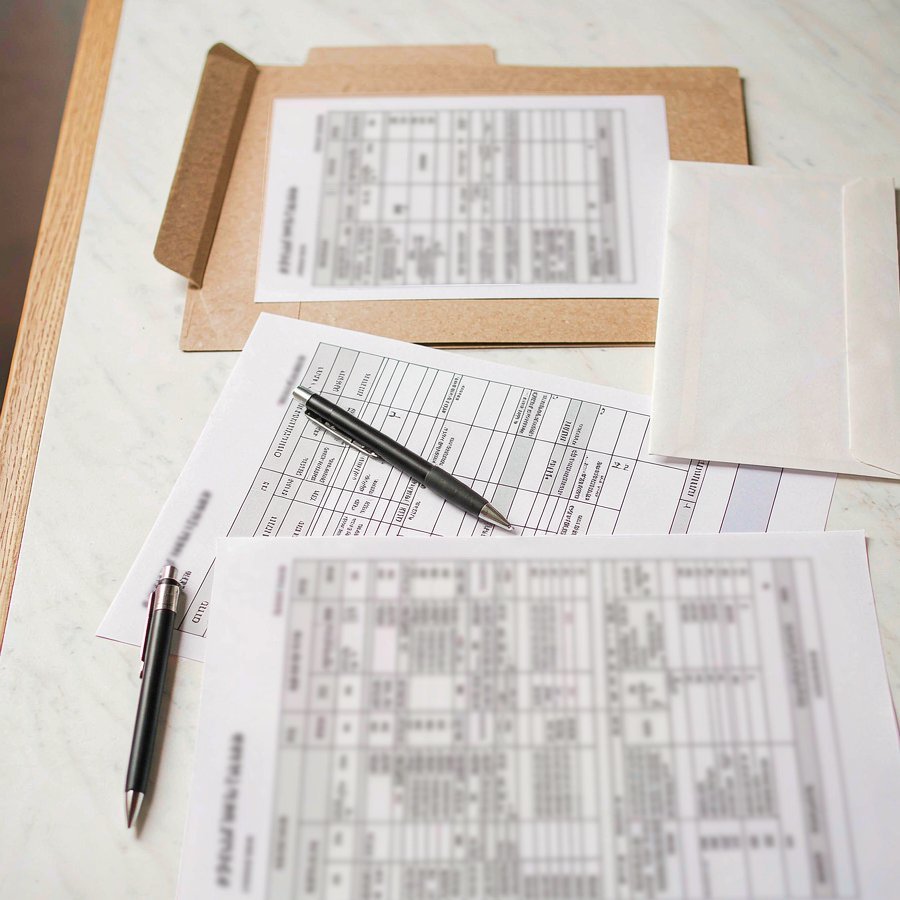
FOB, or Free On Board, means the supplier delivers the goods to the named port, clears them for export, and loads them onto the vessel. Risk and cost transfer to the buyer once the slabs are on board. This is the most common basis for a quartz slab FOB quotation because it splits responsibility cleanly: the factory owns the slab until it is safely on the ship, and your forwarder owns it from there.
When you receive an FOB quote, you then add your own ocean freight, insurance, import duty and inland trucking. You keep control of the shipping line and the arrival date, which matters when you are juggling several suppliers or a tight project schedule.
CIF — Delivery to Your Port Included
CIF, or Cost, Insurance and Freight, extends the supplier's responsibility to your destination port. The factory books the ocean freight and buys insurance, and the price you see includes both. A CIF quote is convenient: one number, one supplier, less for you to arrange.
The catch is that you rarely get the cheapest freight this way. The supplier chooses the carrier and the routing, and the insurance is usually minimal. Many buyers prefer a transparent quartz slab FOB price plus their own negotiated freight, because the saving on a long-haul container can be significant once you ship regularly.

Quartz Slab FOB vs CIF: Which One Should You Pick
There is no single right answer, but there is a clear rule of thumb. Choose an FOB quote when you have, or can easily get, a reliable freight forwarder and you ship often enough to negotiate good ocean rates. Choose CIF when you are placing a one-off small order, you have no forwarding partner, and you want a single point of accountability.
For distributors and fabricators who reorder monthly, FOB almost always wins on total cost once volume builds. For a project buyer ordering once, CIF removes a layer of coordination you may not want to manage. Either way, ask for both bases on the same quote so you can see the freight spread with your own eyes.
How a Quartz Slab FOB Quote Affects Your Landed Cost
Landed cost is the only number that tells you what the slab truly costs once it sits in your warehouse. Starting from an FOB price, add: ocean freight per container, marine insurance, destination port handling, import duty on your HS code, broker fees, and final trucking. A slab quoted at a low FOB can still land expensive if the freight lane is hot or your duty rate is high.
This is why a cheap ex-works price is not always the cheap purchase. Build a simple landed-cost sheet for every quote and compare the finished totals, not the headline figures. Our guide on what actually drives quartz slab price breaks down the per-square-foot mechanics behind these numbers, and our step-by-step import guide walks through the whole shipping chain.
Other Terms Buyers See (CFR, DDP)
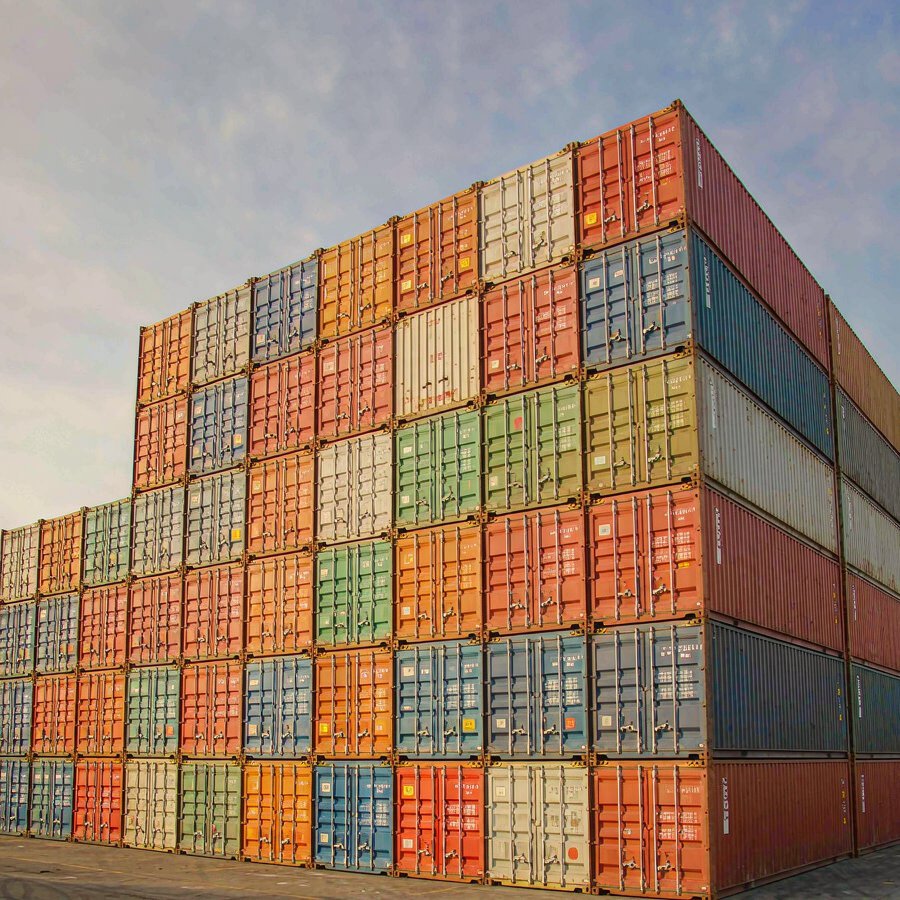
Two more terms come up in stone trade. CFR, or Cost and Freight, is like CIF without the insurance — the supplier pays freight but you carry the risk at sea. DDP, or Delivered Duty Paid, is the opposite extreme: the supplier handles everything including duty and final delivery, which sounds easy but usually carries the highest markup and the least visibility.
For most stone importers a clean FOB or CIF basis covers 90% of real-world deals. CFR sits between them, and DDP is best reserved for small sample shipments or markets where you genuinely cannot clear goods yourself.
Questions to Ask Before You Accept a Quartz Slab FOB Quote
Before you sign, get clarity on a few points that quietly change your cost. Confirm the exact port named in the FOB quote — FOB Qingdao is not FOB any Chinese port, and inland trucking to the wrong port adds up. Ask whether the price includes seaworthy A-frame crating. Check the payment terms and the lead time separately from the trade term. And always request the full landed-cost breakdown so nothing hides in the freight line.
A supplier who answers these plainly is showing you they understand international trade, not just stone. That maturity is what protects your first container.

Quartz Slab FOB FAQ
Is FOB or CIF cheaper?
Neither is cheaper by definition. An FOB quote is lower on paper, but you add freight and insurance yourself. CIF bundles them in, often at a supplier's margin. Compare landed cost, not the headline.
Who pays if slabs are damaged at sea under FOB?
Once the slabs are loaded on board under a quartz slab FOB contract, risk passes to the buyer, so your marine insurance covers transit loss. That is why buying your own insurance is essential on FOB deals.
Can I get both FOB and CIF on one quote?
Yes, and you should. Asking a supplier to show both bases reveals the true freight cost and helps you decide which side of the deal you want to control.
Does FOB include export clearance?
Yes. Under a proper FOB term the supplier handles export documentation and loading; you take over after the vessel sails.
What port should the FOB quote name?
The supplier's nearest suitable export port. Naming the wrong port shifts inland trucking cost onto you, so confirm it before you compare quotes.
Choosing the Right Partner for Your Quartz Slab FOB Orders
The right factory is the one that quotes transparently in the term you ask for, shows you the freight spread instead of hiding it, and explains risk transfer without hand-waving. An FOB order run by a mature exporter feels calm: clear documents, supervised loading photos, and a team that treats your first container like their reputation depends on it — because it does.
If you want a transparent FOB quotation with the full landed-cost breakdown, reach our export desk directly. We quote in the term you prefer and walk you through every line so the number on the page means exactly what you think it means.
WhatsApp: +86 198 6115 3736
Email: raykelee@hyquartzslabfactory.com
Related Reading
Send Us A Message