
Quartz vs Butcher Block Countertops: Which to Choose for Your Kitchen
Quartz vs Butcher Block Countertops: Which to Choose for Your Kitchen
Quartz vs Butcher Block: Which Countertop Should You Specify?
When a homeowner or project buyer is weighing warm wood against engineered stone, the real question is usually quartz vs butcher block. Both are popular kitchen countertop materials, but they behave very differently in daily service, and the right choice depends on how the surface will be used. This guide compares quartz vs butcher block on appearance, durability, hygiene, maintenance and cost, written from the factory side so you can specify with confidence instead of guessing.
Engineered quartz is about 90 percent natural quartz aggregate bonded with resin and pigment, pressed into slabs. Butcher block is strips of hardwood edge-glued into a thick panel. In a quartz vs butcher block decision, the biggest difference is how each handles water and microbes — and that is where this article focuses.
What Each Surface Actually Is
Before comparing performance, it helps to be clear about the materials. A quartz vs butcher block comparison starts with manufacture: quartz is a non-porous factory product with consistent colour and veining, while butcher block is a natural wood surface with grain, knots and colour variation from board to board. For a hotel, restaurant or rental property that may be refurbished years later, quartz vs butcher block matters because only quartz can be reordered to an identical match.
Appearance and Design Fit
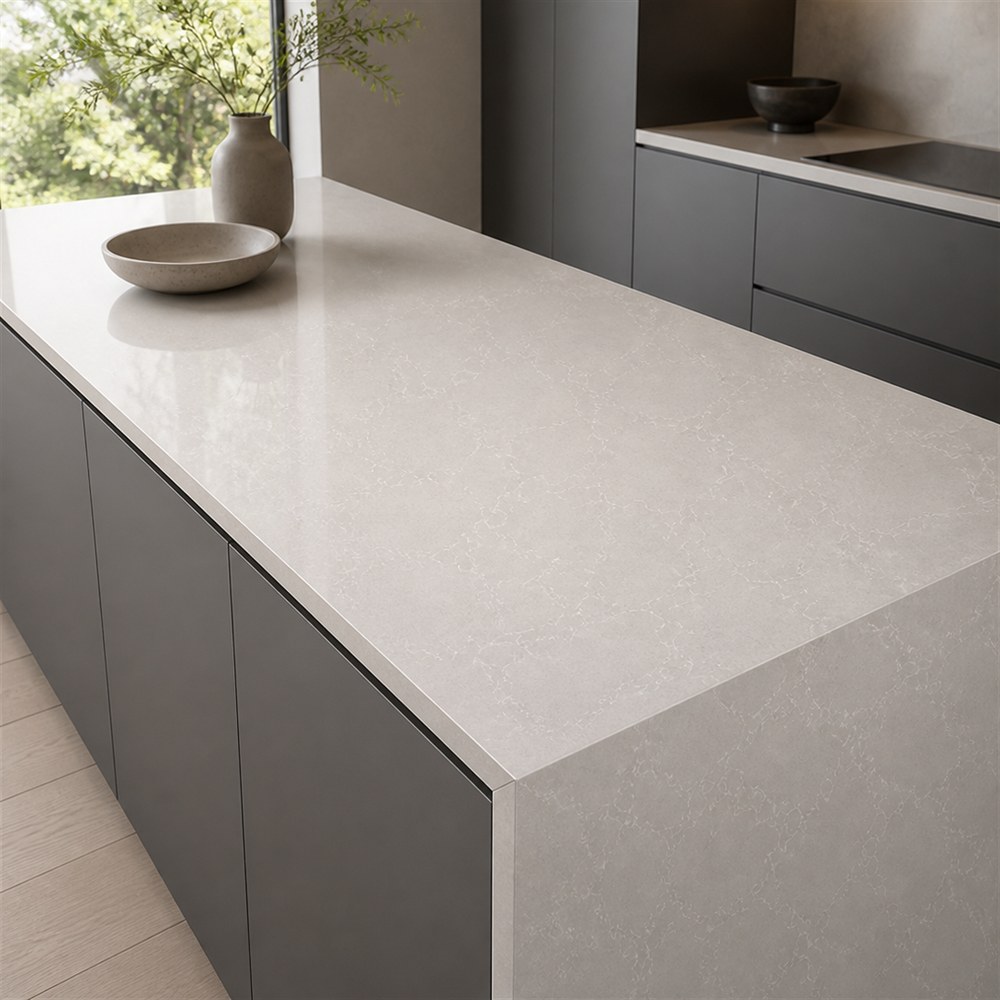
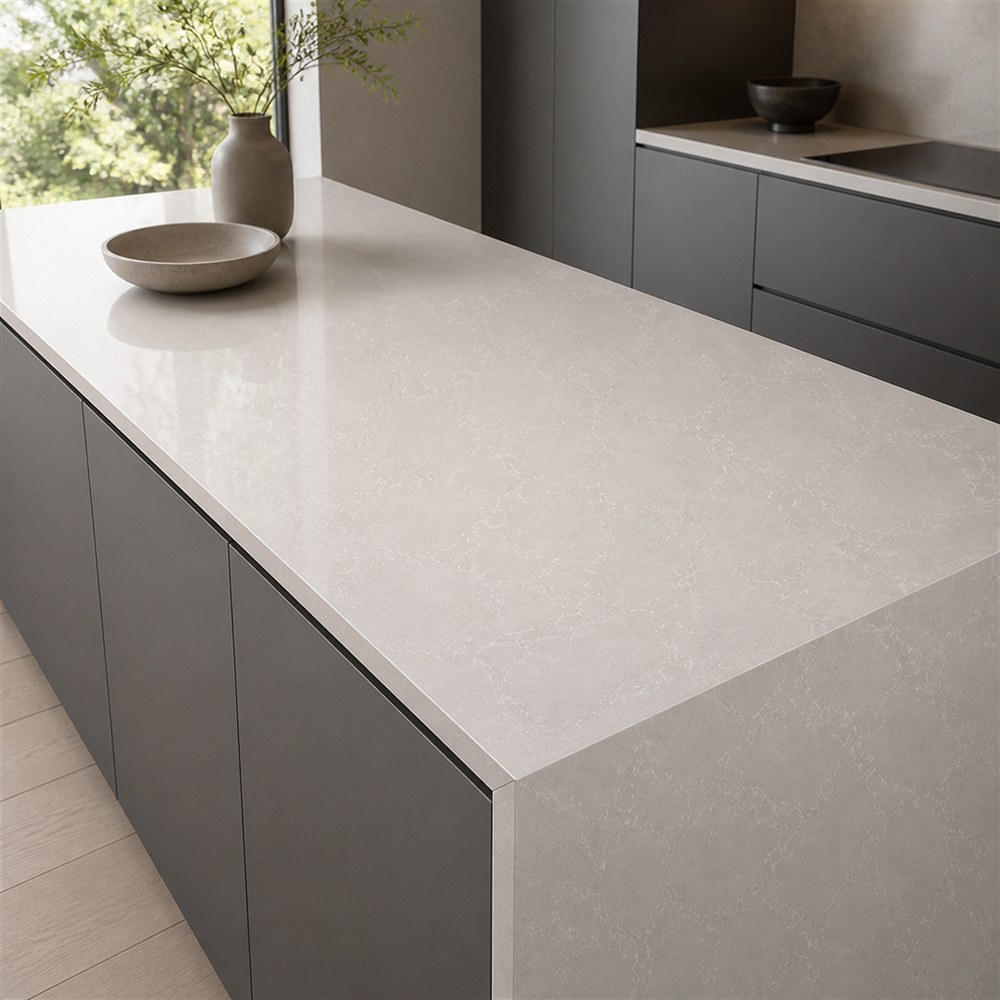
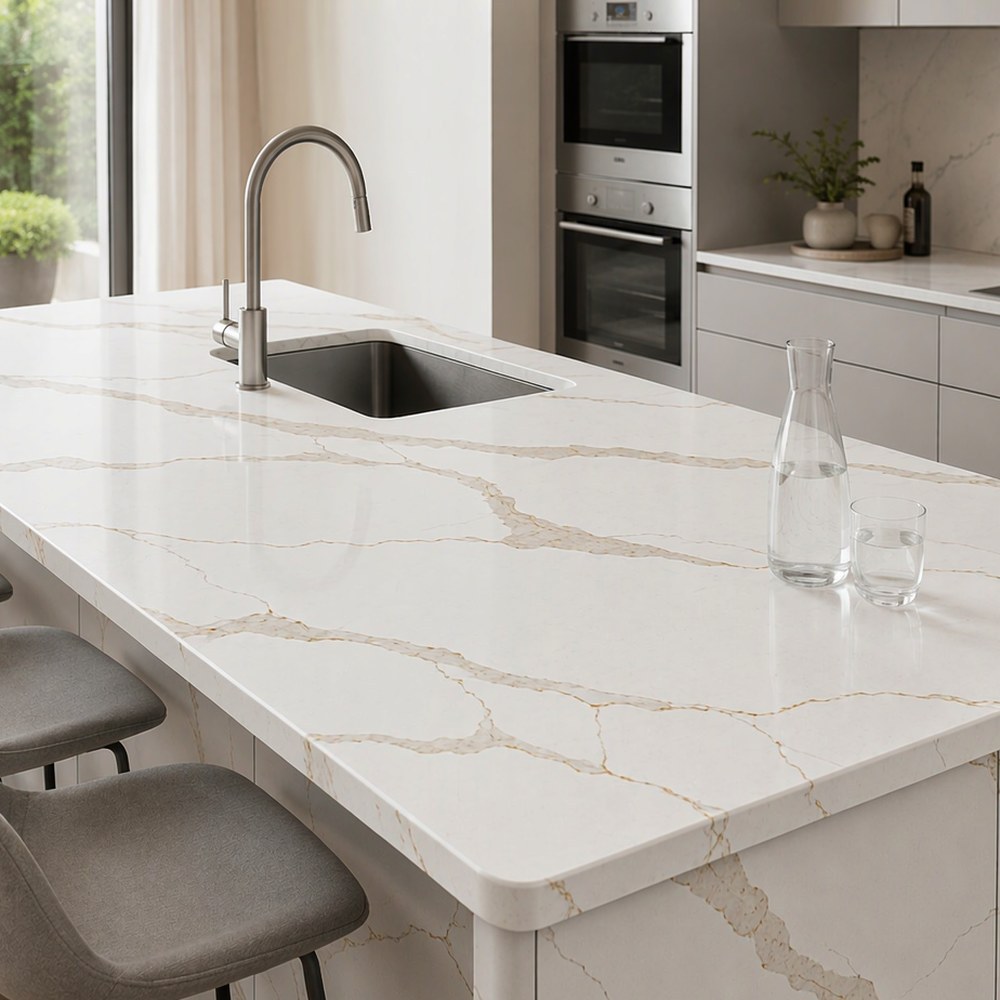
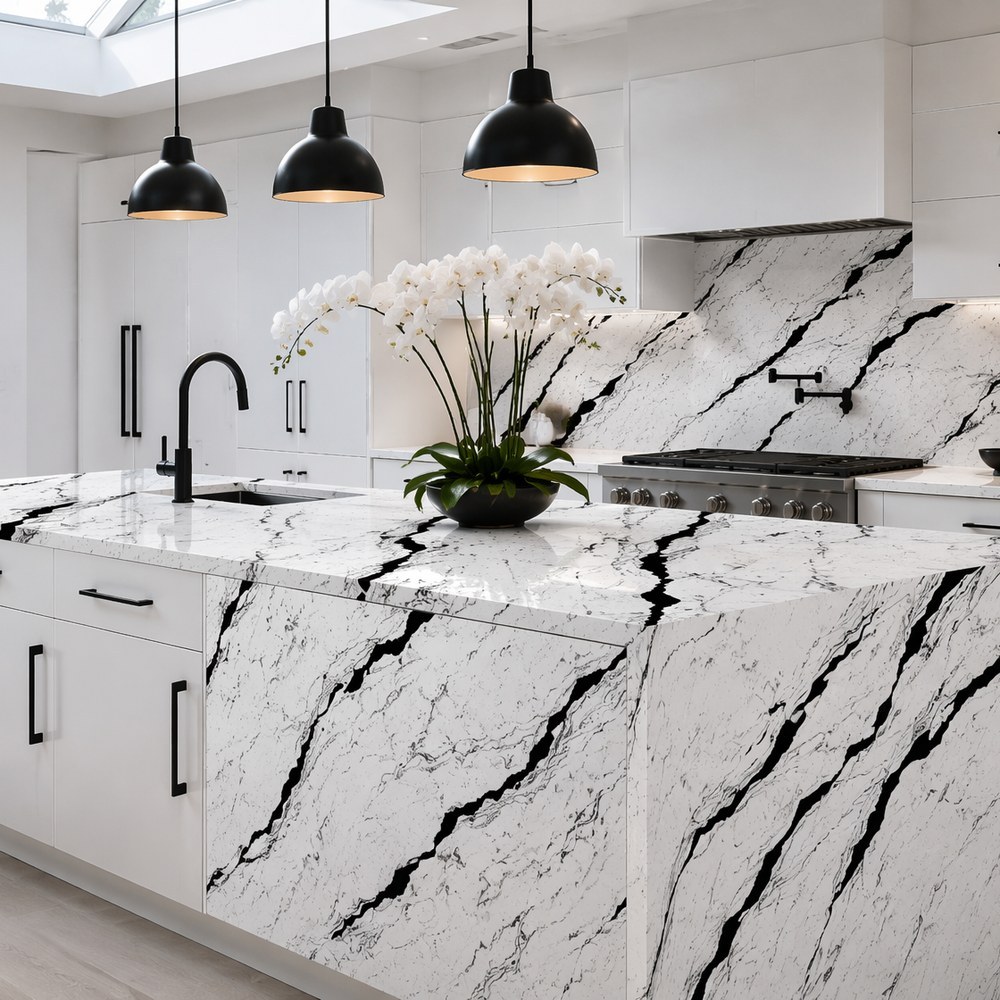
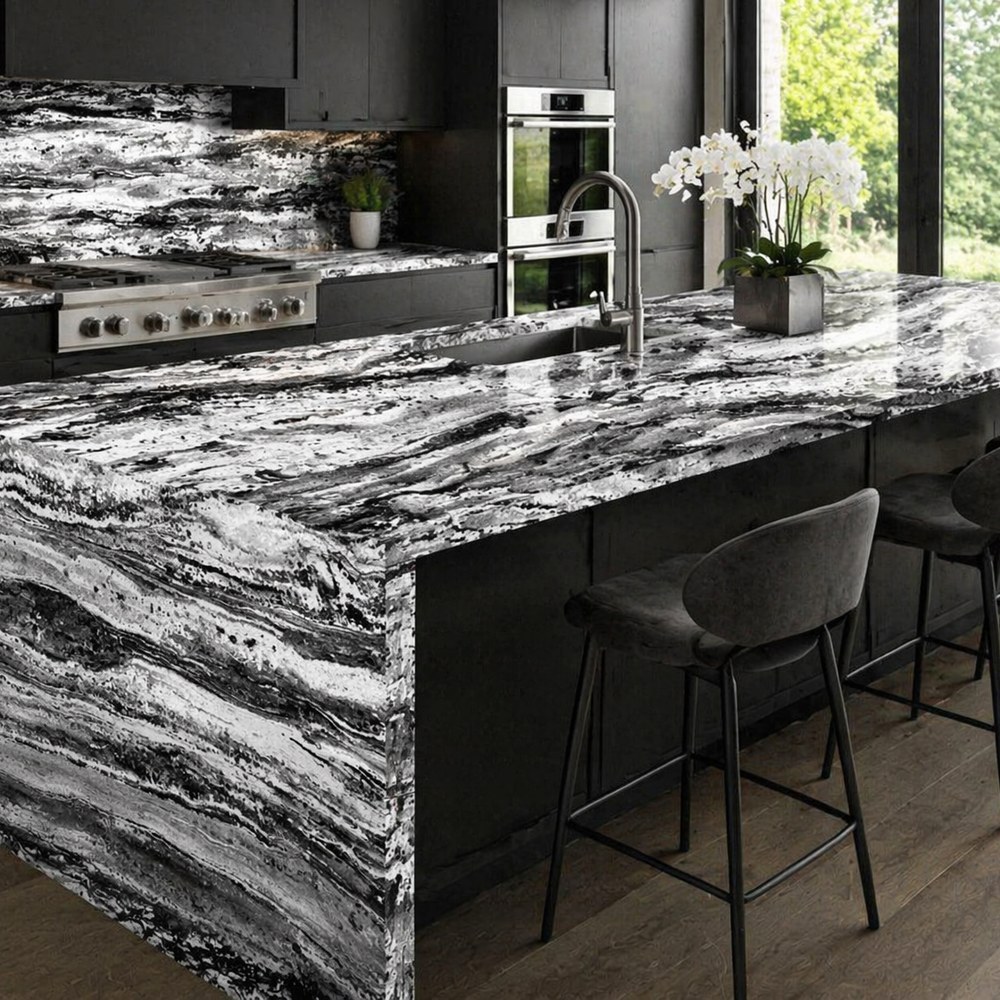
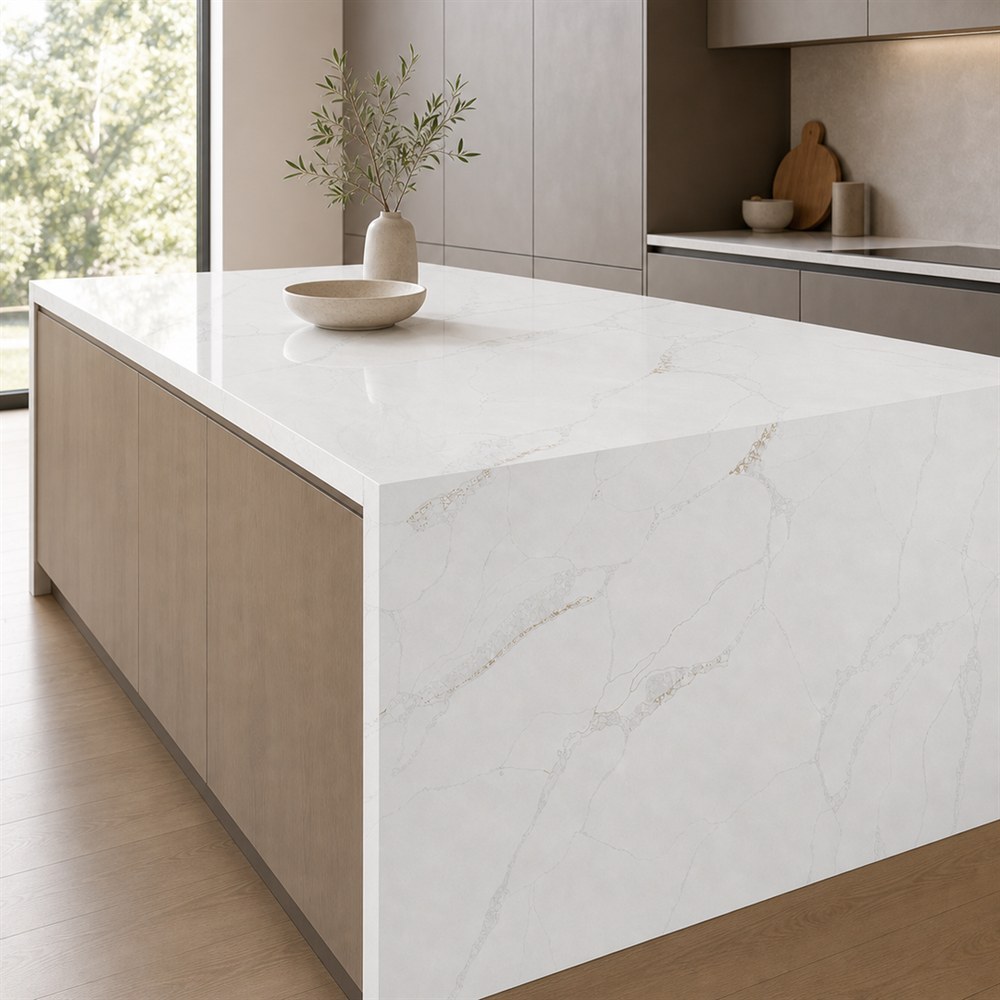
In a quartz vs butcher block choice, appearance is the first thing most buyers notice. Quartz offers a controlled recipe: bright white with soft grey cloud veining, warm white with gold Calacatta-style veins, bold black-and-white contrast, and grey or wood-tone finishes. Butcher block brings a warm, tactile, hand-made feel that reads as cosy and traditional. When the brief calls for a specific marble look, quartz vs butcher block is barely a contest — quartz reproduces the marble aesthetic without etching, while wood cannot.
Durability and Daily Wear
Durability is where quartz vs butcher block splits. Engineered quartz is non-porous, with a water absorption rate of 0.02 percent and a Mohs hardness of 6. Wine, coffee, oil and citrus sit on the surface without soaking in, and a wipe with a pH-neutral cleaner removes them. Butcher block is porous wood: it dents from dropped pans, scratches from knives, and darkens where water pools. In a busy kitchen, quartz vs butcher block favours quartz for sheer everyday resilience.
Stain, Water and Hygiene
Hygiene is the practical heart of the quartz vs butcher block debate. Quartz needs no sealing and harbours almost no bacteria on its non-porous surface. Butcher block is porous even after oiling; it absorbs juices, and without a strict oiling schedule it can harbour odour and staining. For a commercial bar, a hotel breakfast station or a family kitchen, the non-porous nature of quartz is the reason most specifiers choose it. When the question is quartz vs butcher block for a hygienic surface, wood's porosity is the single biggest argument against it.
Heat, Knives and Cutting
Neither material is heat-proof, and the quartz vs butcher block trade-off here is genuine. Butcher block can be used as a cutting surface, so minor knife marks are expected and sandable. Quartz tolerates hot cups and plates but a hot pan set directly on it can mark the resin, so a trivet is advised; it also scratches if cut on directly. On the knife question, quartz vs butcher block favours wood for those who want a built-in chopping board, but quartz wins for those who want a surface that never shows the cut.
Maintenance and Upkeep
Maintenance is where quartz vs butcher block could not be more different. Quartz needs no sealing, no waxing and no annual treatment — the same wipe-down applies on day one and in year ten. Butcher block requires regular oiling, prompt drying, and sanding-plus-re-oiling if it stains or dulls. For a property owner who wants a surface that looks after itself, quartz vs butcher block ends here — quartz wins on lifetime labour. Wood's upkeep is not hard, but it is unmissable.
Cost, Lead Time and Lifespan
Cost is rarely a simple number. A butcher block top is often cheaper in raw material, but it has a shorter service life and recurring oiling and refinishing cost. Quartz is fabricated in a factory from standard 3200 × 1800 mm slabs, so cut-to-size tops, cutouts and edge profiles are produced off-site and delivered ready to set — predictable lead time of 2 to 4 weeks for standard colours. In a true quartz vs butcher block total-cost view, wood's hidden cost is refinishing and earlier replacement; quartz's is the higher material ticket up front, offset by near-zero upkeep.
Best Applications for Each Material
Neither material is wrong; they suit different briefs. Choose quartz for kitchens, bathroom vanities, commercial bars and anywhere staining and consistency matter. Choose butcher block for baking stations, island accents and designs where a warm, natural, hand-made patina is the point — often as a complementary surface rather than the whole kitchen. When the surface must still look new after years of service with no maintenance programme, quartz vs butcher block is the safer specification.
Frequently Asked Questions
Is quartz or butcher block better for a kitchen countertop?
For most kitchens, quartz is the better specification: it is non-porous, stain-resistant and needs no sealing, while butcher block requires a regular oiling schedule and stains more easily. Butcher block suits baking stations and warm island accents where a natural wood look is wanted.
Does butcher block need to be sealed like quartz does?
No — and that is the key difference. Quartz never needs sealing. Butcher block must be oiled every few months and dried promptly, or it absorbs stains and develops odour and uneven patina. This is the central maintenance gap in any quartz vs butcher block comparison.
Which is more durable, quartz or butcher block?
Quartz is more durable in daily service: Mohs hardness 6, non-porous, scratch- and stain-resistant. Butcher block is warmer to the touch and can be sanded, but it dents, scratches and darkens more readily and needs regular refinishing.
Can you cut directly on quartz like butcher block?
Butcher block can be used as a cutting board, and knife marks are sandable. Quartz should not be cut on directly — use a board — because the resin can be scored. So in a quartz vs butcher block kitchen, wood wins for those who want a built-in chopping surface.
What is the lead time for quartz compared with butcher block?
Factory quartz tops from standard slabs ship in 2 to 4 weeks with edges and cutouts pre-finished. Butcher block lead time depends on whether it is stock or custom-made, but it still needs on-site finishing and ongoing oiling after installation.
Specify Your Quartz Countertops Direct from the Factory
If your project needs a consistent, non-porous surface with no sealing programme, send the specification and we will return samples, a cutting diagram and a line-item quotation. Our engineering team reviews every drawing before production, so the tops that arrive on site fit the first time — and a quartz vs butcher block decision becomes a decision you never have to revisit. For a warm wood accent, we can also advise on pairing quartz worktops with a butcher block island so you get both looks without the upkeep trade-off.
📱 WhatsApp: +86 198 6115 3736
📧 Email: raykelee@hyquartzslabfactory.com
Related Articles
Send Us A Message