
Quartz Slab Thickness 18mm vs 20mm: Which Should You Choose?
Quartz Slab Thickness 18mm vs 20mm: Which Should You Choose?
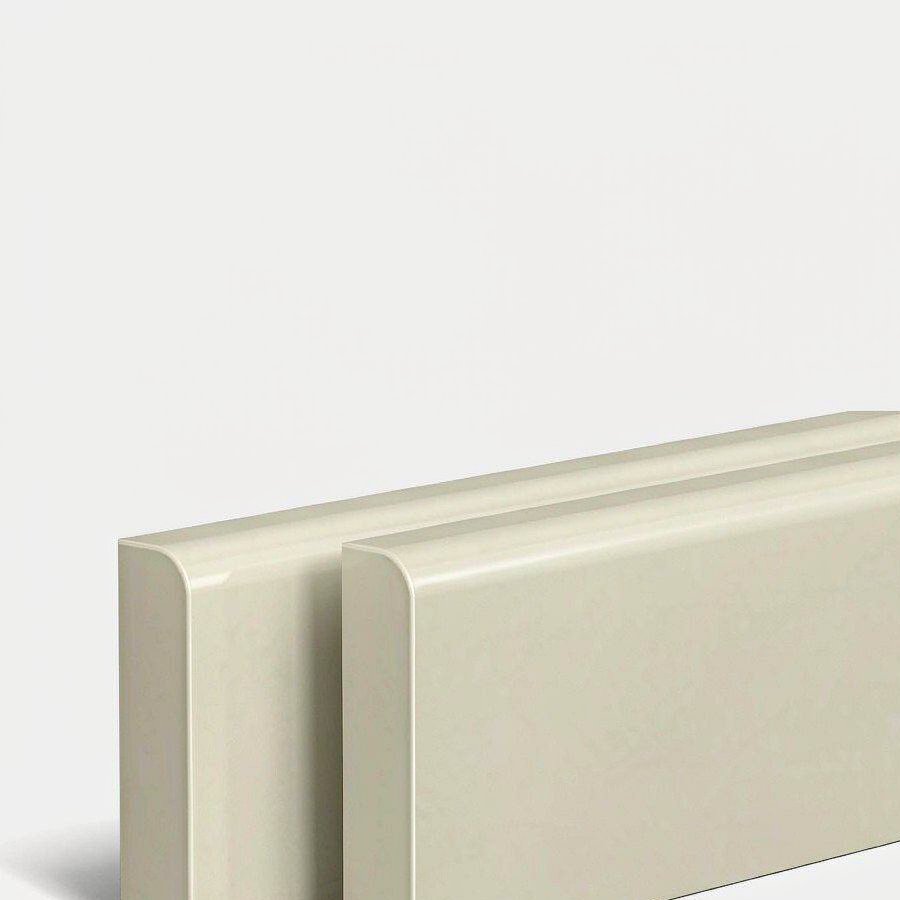
Quartz slab thickness is one of the first specifications a fabricator or buyer fixes after choosing the colour. The two most common options are 18 mm and 20 mm, and while the 2 mm gap sounds small, it changes weight, cost, edge profile options and how the slab behaves under span. In this guide we compare quartz slab thickness for countertops, islands, vanities and wall cladding, using real dimensions and weights from our production line so you can specify with confidence.
Why Quartz Slab Thickness Matters
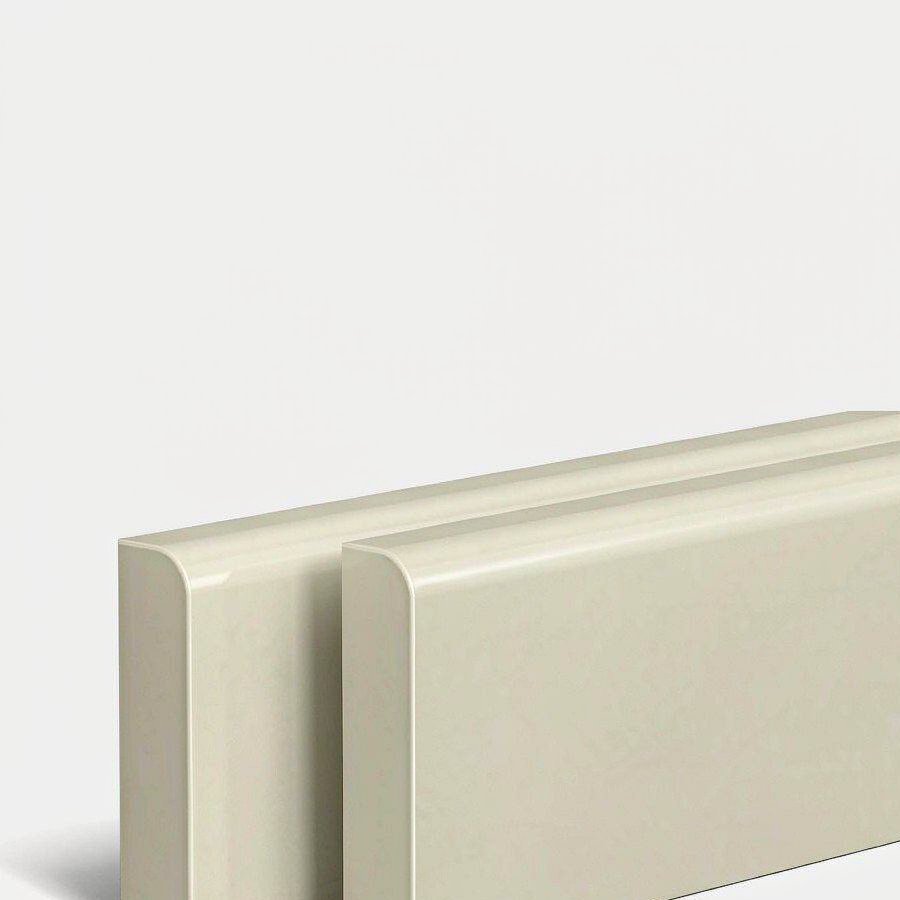
Quartz slab thickness affects four things: structural stiffness, handling weight, edge profile design and total project cost. A 20 mm slab is roughly 11% thicker than an 18 mm slab, but its stiffness increases by more than that because stiffness rises with the cube of thickness. That means a 20 mm countertop will deflect less over an unsupported span and can handle larger overhangs without additional support. For islands and breakfast bars, that extra stiffness often decides the thickness.
Weight is the other practical concern. A standard 3200 × 1800 × 18 mm slab weighs 248.8 kg; the same slab in 20 mm weighs 276.4 kg. That 27.6 kg difference per slab may not matter for one vanity, but it changes crane selection, A-frame capacity and container loading for bulk orders. It also affects freight cost per square metre.
18mm vs 20mm: At a Glance
The same performance and certification apply to both: Mohs 6 hardness, 0.02% water absorption, ISO 9001, NSF and SGS. The decision is therefore engineering and budget, not material quality.
When to Choose 18mm Quartz Slab Thickness
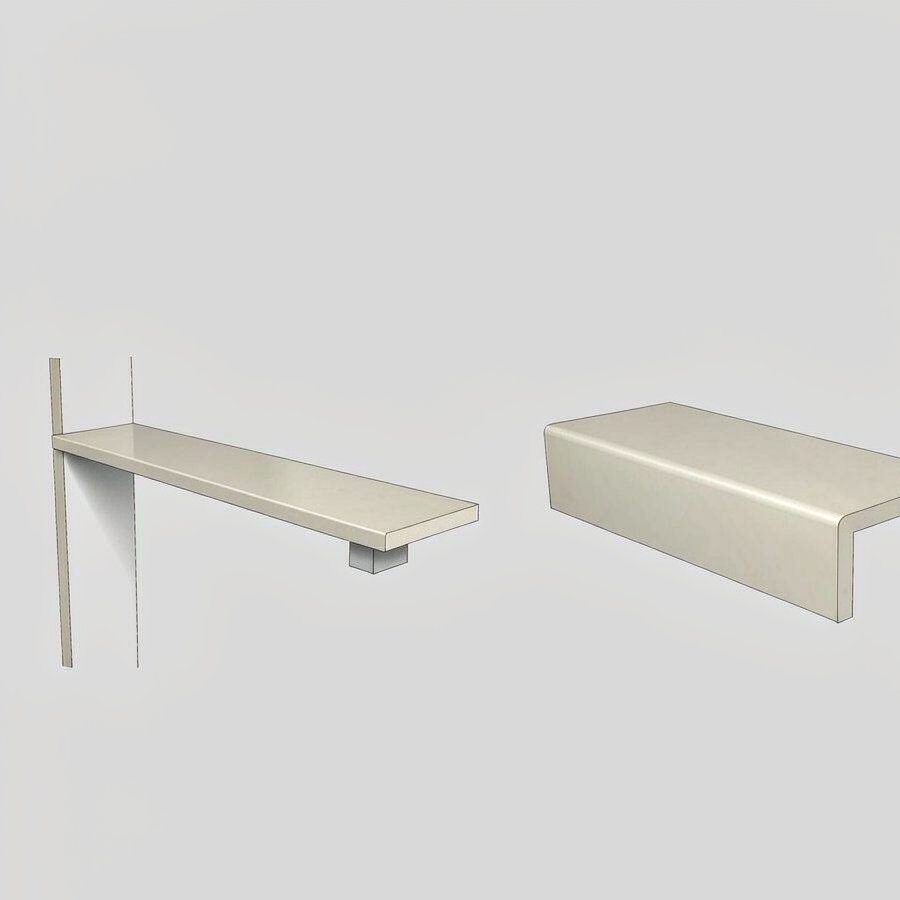
18 mm is the right quartz slab thickness for wall cladding, shower surrounds, backsplashes and vertical applications where the slab is supported over its full area. It is also the practical choice for small vanities, furniture tops and anywhere the substrate or cabinet is not designed for the extra weight of 20 mm. In high-rise projects where every kilogram matters, 18 mm reduces structural loading and makes installation faster.
Cost-sensitive projects also lean toward 18 mm. The material saving is modest per slab, but it multiplies across a full container. If the design does not require long overhangs or deep edge profiles, 18 mm delivers the same quartz performance for less money and less freight weight.
When to Choose 20mm Quartz Slab Thickness
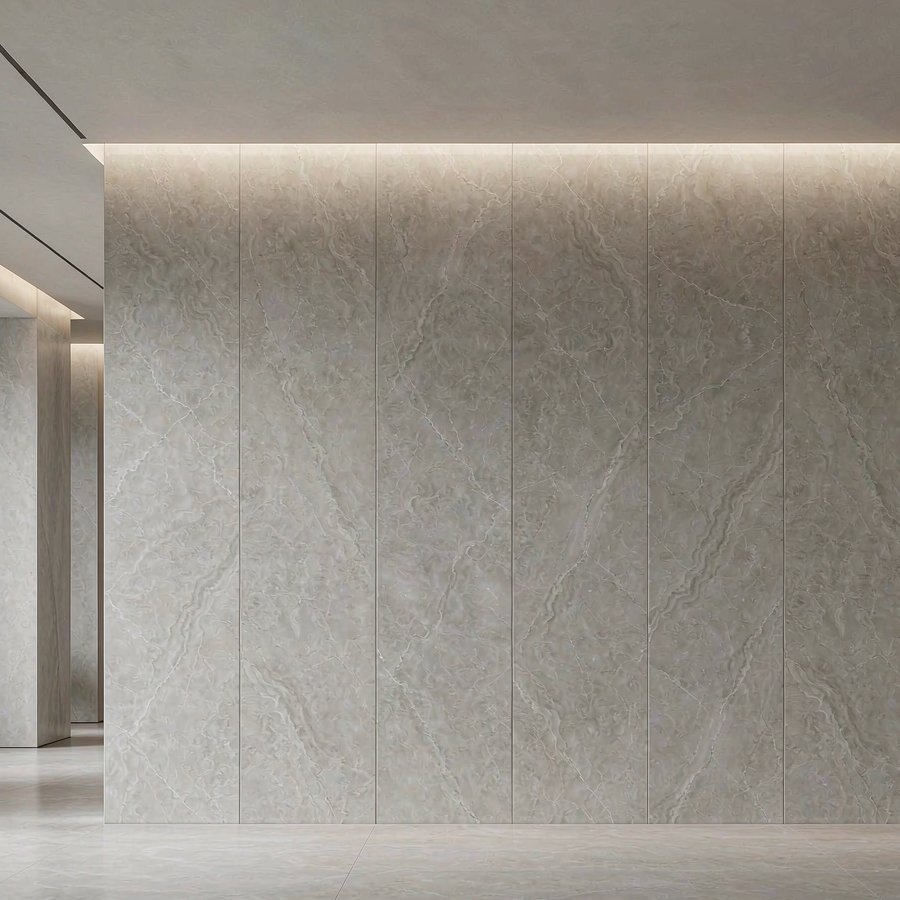
20 mm is the default for kitchen countertops and islands. The extra thickness gives fabricators more material to shape decorative edges like ogee, bullnose, waterfall and mitred edges. It also provides the structural depth needed for undermount sinks, cooktop cut-outs and large spans without visible flex.
For commercial projects — hotels, offices, retail counters — 20 mm is usually specified because it withstands heavier traffic and the edge profile reads as more substantial. Architects often prefer the visual weight of 20 mm on reception desks and bar tops where the edge is exposed. The 20 mm slab also tolerates minor chipping better because there is more material at the edge.
Quartz Slab Thickness and Edge Profiles
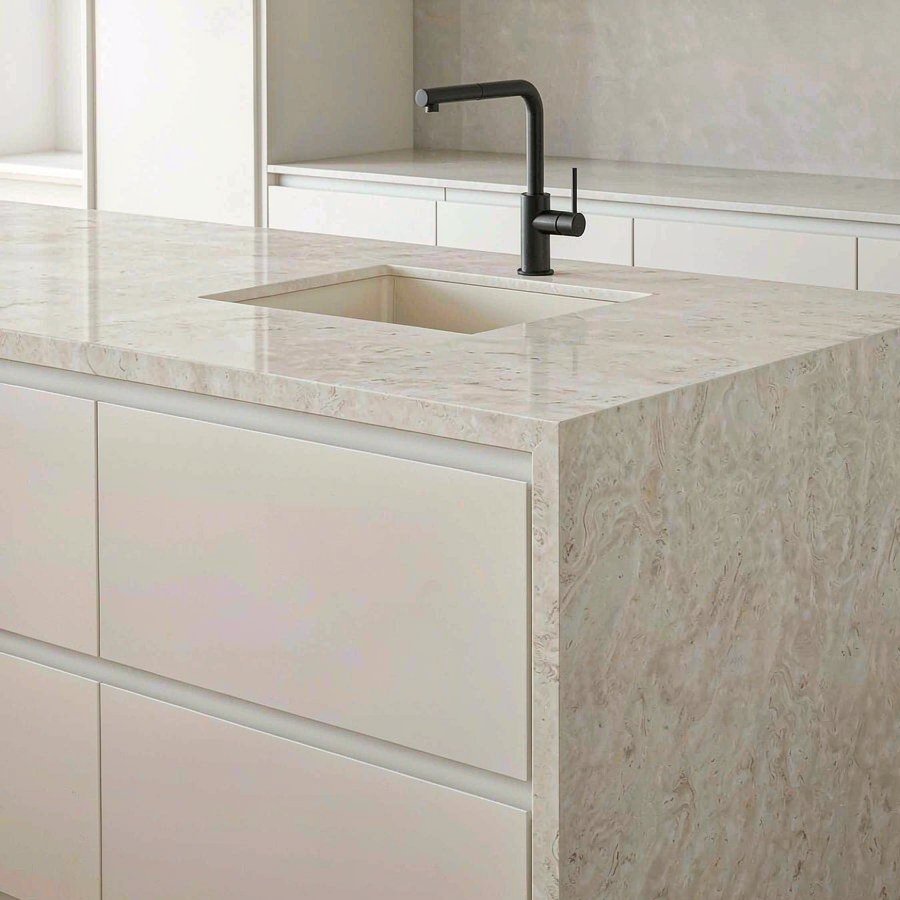
The quartz slab thickness you choose determines the edge detail. A pencil edge or small bevel works in either thickness. Larger profiles — demi-bullnose, full bullnose, ogee, waterfall — need the depth of 20 mm to look balanced. If the design calls for a 40 mm build-up edge, 20 mm is usually laminated to create the thickness, while 18 mm may look proportionally thin after the same build-up.
Waterfall legs and mitred edges are increasingly popular in modern kitchens. A waterfall leg drops the same material down the side of an island, and the visible side must show a clean, continuous face. Thicker material makes the mitre joint less visible and the leg feel more solid. For this reason, quartz slab thickness of 20 mm is almost always specified for waterfall islands.
Weight, Logistics and Container Loading
For wholesale buyers, quartz slab thickness changes container economics. A 20-foot container can carry roughly 140–160 standard slabs depending on thickness and packing. Because 20 mm slabs weigh more, a container may hit the 28-tonne weight limit before it is physically full. That makes 18 mm more efficient for container volume if weight is the binding constraint.
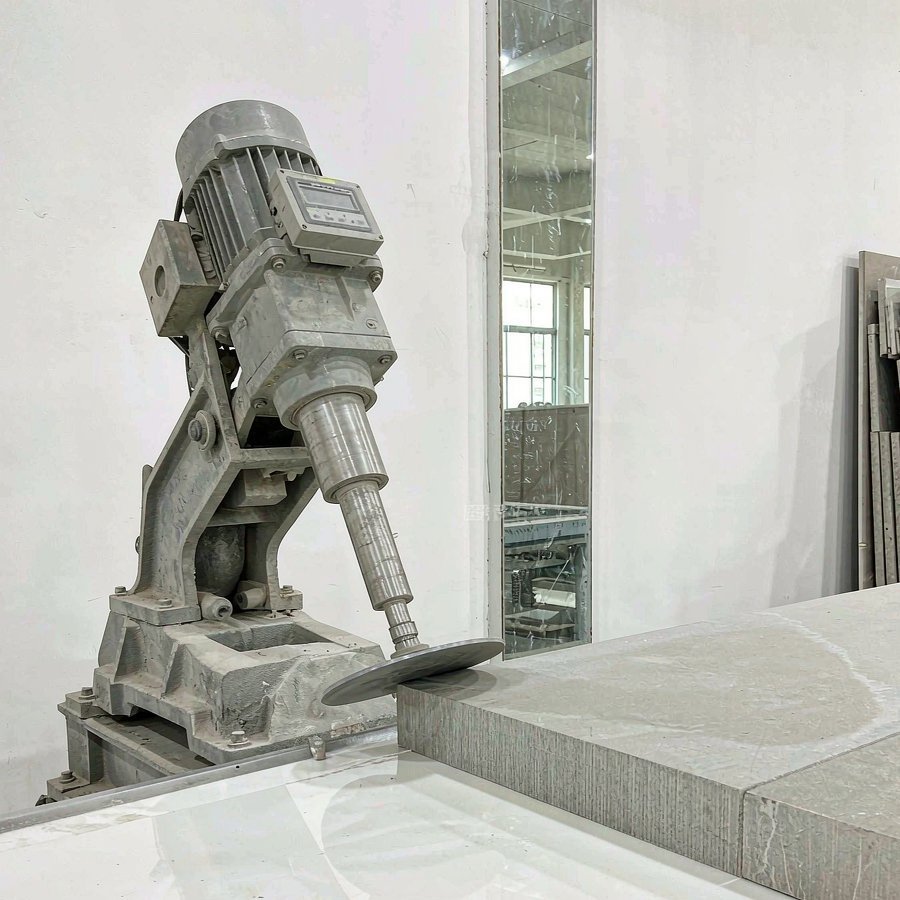
Handling also differs. Two installers can usually manage an 18 mm slab on site; a 20 mm slab may need a third person or suction cups for safety. Fabricators often charge more to process 20 mm because the cutting, polishing and transport steps are heavier. For the full breakdown of slab sizes and formats, see our quartz slab sizes guide.
Cost Difference Between 18mm and 20mm
The 20 mm quartz slab thickness usually costs 8–12% more per square metre than 18 mm, though the exact premium depends on colour and order volume. The difference comes from raw material and freight, not from the production process itself. Both thicknesses run on the same line and receive the same quality checks.
When calculating total project cost, remember that edge profiling, cut-outs, sink mounting and installation are also affected by thickness. A fabricator may quote a higher install rate for 20 mm because of the extra weight. For budget-sensitive residential projects where the surface is fully supported, 18 mm is the rational choice; for high-impact islands and commercial counters, the extra cost of 20 mm is usually justified.
Frequently Asked Questions
Is 20mm stronger than 18mm quartz? Yes, in terms of stiffness and overhang performance, though both have the same hardness and scratch resistance.
Can I use 18mm for a kitchen countertop? Yes, if the cabinet support is good and there are no long overhangs. Many European kitchens use 18 mm tops successfully.
What overhang can 20mm quartz support? A 20 mm quartz countertop can typically support a 300 mm overhang without extra bracing, depending on substrate and colour. Longer overhangs need corbels or steel supports.
Does thickness affect the price? Yes. 20 mm is usually 8–12% more per m² due to extra material and freight weight.
Which thickness is best for wall cladding? 18 mm is usually best for walls because it is lighter, easier to lift vertically and the substrate carries it fully.
Conclusion
Quartz slab thickness is a specification that should match the application, not default to the thicker option. Choose 18 mm for walls, vanities, budget projects and anywhere weight is a concern. Choose 20 mm for countertops, islands, commercial surfaces and designs that need deep edge profiles or long overhangs. Both thicknesses share the same hardness, non-porous surface and certification. For slab sizes and jumbo formats, see our quartz slab sizes guide; for buying from a manufacturer, read the manufacturers buying guide.
Related Articles
- Quartz Slab Sizes and Jumbo Formats Explained
- Quartz vs Porcelain vs Sintered Stone
- Quartz Slab Manufacturers in China: Buying Guide
- Quartz Vanity Tops: Sizes, Sinks and Edge Profiles
Quartz Slab Supplier for Thickness-Specific Projects
Shandong Hongyue Quartz Stone Co., Ltd. supplies 18 mm and 20 mm quartz slabs in standard and jumbo formats. Whether your project needs lightweight wall cladding or a heavy-duty island top, we provide samples, cut-to-size service and direct factory pricing with ISO 9001, NSF and SGS certification.
📱 WhatsApp: +86 198 6115 3736
📧 Email: raykelee@hyquartzslabfactory.com
Send Us A Message