
Engineered Quartz Wall Panel and Floor Application Guide
Engineered Quartz Wall Panel and Floor Application Guide
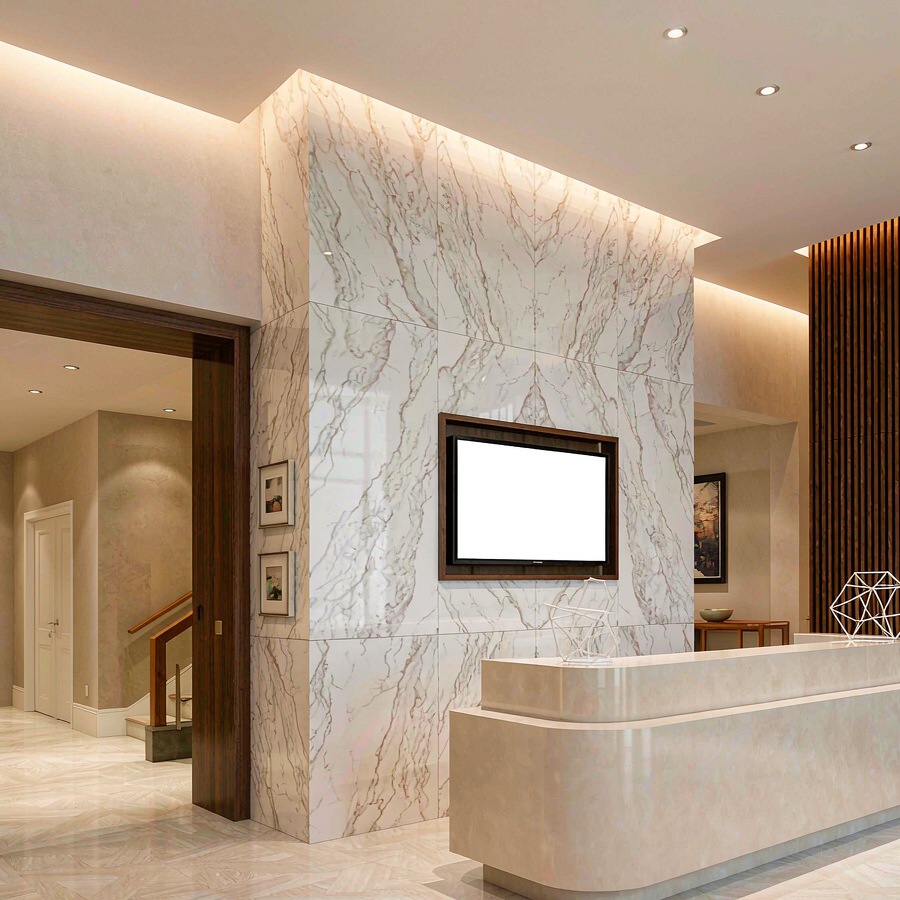
Engineered Quartz Wall Panel and Floor Application Guide
Engineered Quartz Wall Panel and floor installations have moved well beyond countertops. In wall panel and floor applications, it is increasingly specified for projects that want a stone-like surface without the porosity, inconsistency, and maintenance burden associated with many natural materials. That shift is not just aesthetic. It reflects how architects, contractors, and procurement teams are rethinking interior surfaces around durability, installation efficiency, hygiene, and long-term operating cost.
For buyers and project decision-makers in architectural decoration materials, the key question is not whether engineered quartz looks attractive. It is whether the material performs reliably in real use conditions, fits the project budget over its service life, and avoids downstream problems in fabrication, installation, and maintenance.
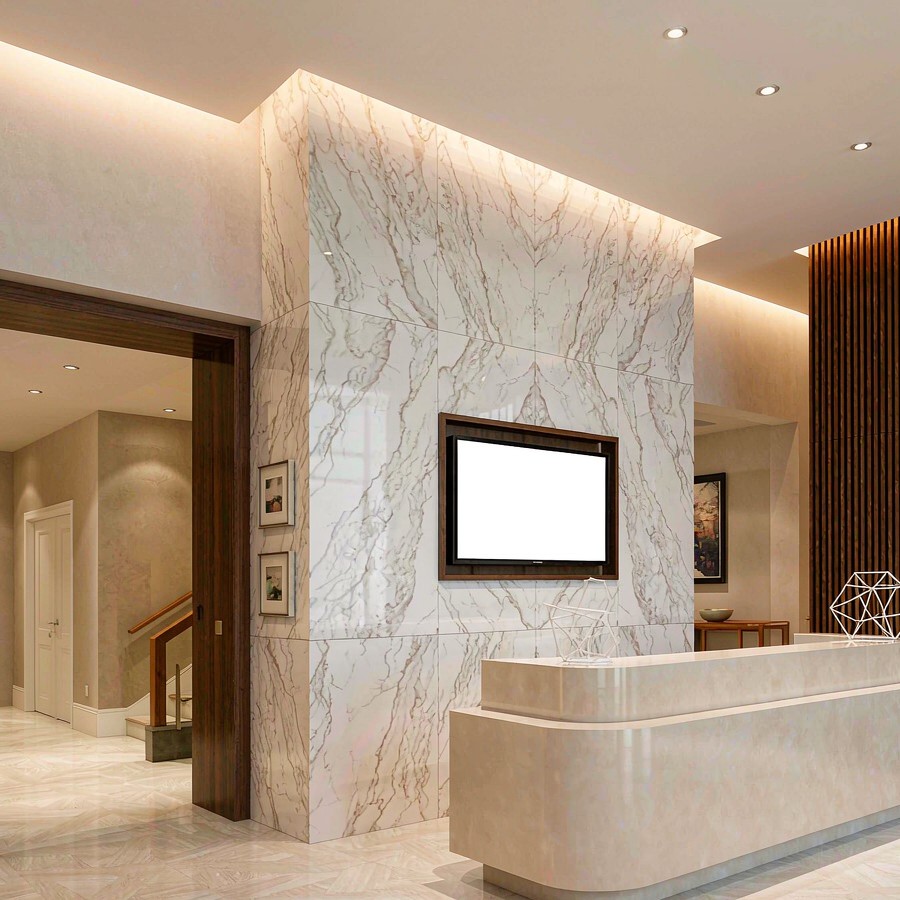
Why engineered quartz is attracting attention in vertical and horizontal applications
Engineered quartz is a composite surface material made primarily from quartz aggregates bound with resin and pigments. In the market, it has long been associated with kitchen and vanity tops, but larger-format production, improved design consistency, and broader interior design demand have pushed it into wall cladding and flooring.
That expansion is being driven by several practical considerations. Designers want uniform veining and color control that natural stone cannot always provide. Commercial operators want surfaces that are easier to clean and maintain. Developers want materials that support a premium visual effect without introducing the variability and wastage common in some stone selections. In export-oriented supply chains, engineered quartz also benefits from relatively stable appearance grading, which makes sample-to-delivery consistency easier to manage.
In hospitality, retail, residential towers, office lobbies, and sanitary spaces, this combination is commercially attractive. A surface that looks refined, resists staining, and reduces upkeep aligns well with current interior market expectations.
Where Engineered Quartz Wall Panel Materials Perform Best
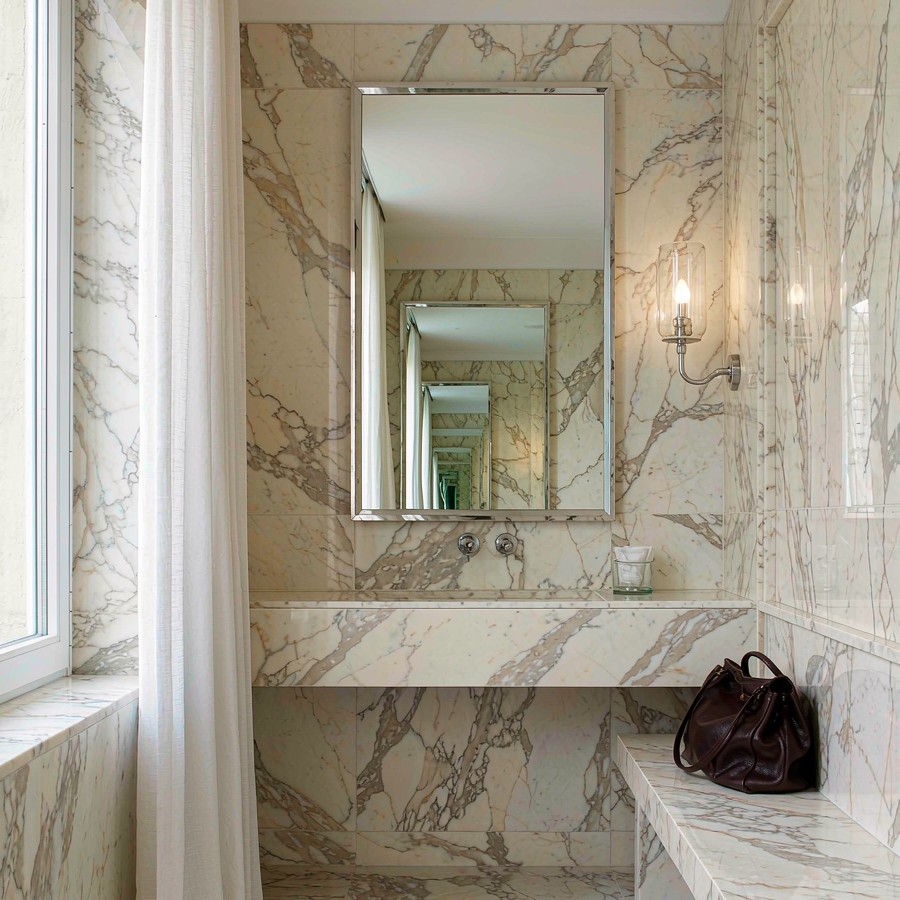
Wall applications are where engineered quartz often makes the most straightforward business case. Unlike flooring, wall panels are not exposed to constant foot traffic, so the material’s strengths can be used without placing too much pressure on its more sensitive performance boundaries.
Interior feature walls, bathroom walls, elevator surrounds, reception backdrops, and high-end retail surfaces are common use cases. In these environments, engineered quartz offers a clean and controlled appearance, especially in projects where visual continuity matters. Book-matched effects, marble-inspired patterns, and minimalist solid tones are easier to standardize than with many natural stones.
It also performs well in spaces where hygiene and cleaning frequency are important. Because the surface is generally non-porous, it resists absorption better than many porous natural materials, which helps in wash areas and commercial interiors that must retain a polished appearance under frequent maintenance.
That said, wall panel selection still requires technical judgment. Substrate compatibility, adhesive systems, panel size, and thermal movement need careful review. Engineered quartz is not simply a decorative sheet that can be installed with any standard wall method. If the backing system, fixing method, or joint detailing is poorly designed, even a visually premium panel can create service issues later.
Flooring is viable, but not every project should choose it
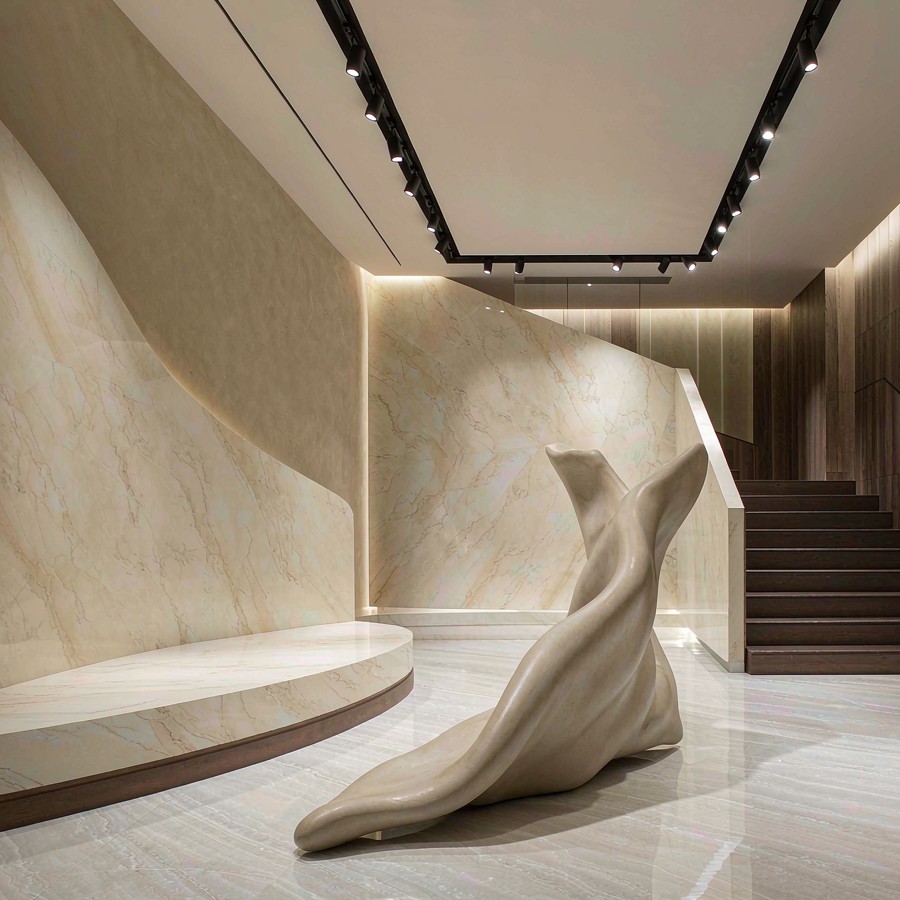
The floor application of engineered quartz requires more selective evaluation. In low- to medium-traffic interior environments, it can deliver a high-end surface with good compressive strength and an elegant finish. Residential floors, private lounges, boutique spaces, and some office interiors are reasonable examples.
But flooring creates a tougher decision framework than wall panels because performance is judged not only by hardness, but also by slip resistance, wear behavior, maintenance conditions, and user safety. A highly polished engineered quartz floor may look impressive in a showroom or lobby, yet become a poor specification if the site has heavy moisture exposure or demands higher anti-slip performance.
This is one of the most common market misunderstandings: many buyers assume that a hard surface automatically makes a good floor. In practice, flooring performance depends on the finish, the traffic profile, the cleaning chemicals used, and the risk of scratching from sand or debris carried into the building. Surface gloss retention may also vary depending on use intensity.
For this reason, engineered quartz flooring is best treated as an application-specific choice rather than a universal substitute for porcelain tile, terrazzo, or natural stone.
The real advantages are consistency, maintenance, and design control
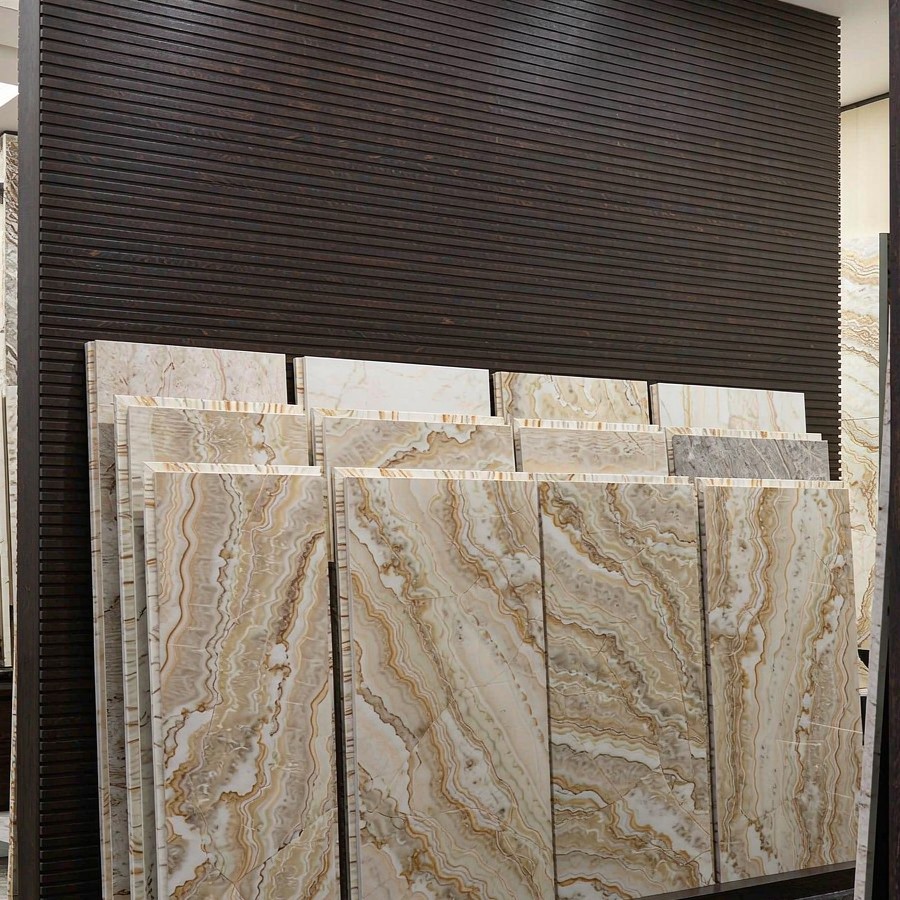
From a procurement and project management perspective, engineered quartz brings three advantages that repeatedly influence specification decisions.
The first is visual consistency. This matters in projects that need repeatable results across multiple rooms, floors, or even multiple properties. Natural stone often introduces variation that is beautiful in principle but difficult in brand-standard projects. Engineered quartz gives developers and interior contractors more control over what the final installed space will look like.
The second is low routine maintenance. Compared with porous stones that may require sealing and more careful stain management, engineered quartz is generally easier to maintain in interior use. Over time, that reduces facility management complexity, especially in hospitality and upscale residential settings.
The third is design flexibility. The market now offers a wide range of patterns, from fine-grain industrial looks to marble-effect slabs. That helps designers align the material with different price segments and design languages without having to accept the structural and maintenance trade-offs of some natural stones.
Its limitations should be understood early, not after specification
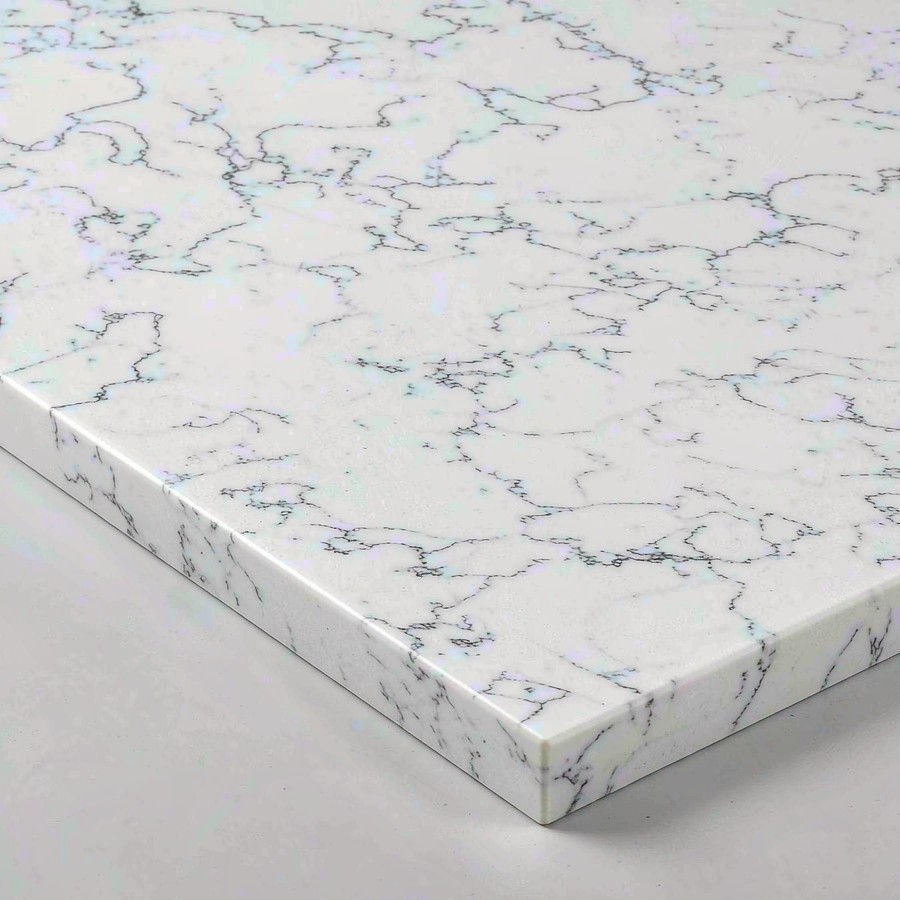
The most costly errors in quartz wall and floor projects usually come from using the material outside its ideal performance envelope.
Heat sensitivity is one important issue. Because engineered quartz contains resin, it is generally less tolerant of high heat than some natural stones or sintered materials. For interior wall applications away from concentrated heat sources, this may not be a major issue. Near fireplaces, certain commercial kitchen zones, or heat-intensive settings, it deserves careful review.
UV exposure is another factor. Some engineered quartz products are intended primarily for interior use, and prolonged sunlight exposure may affect color stability over time. In projects with strong façade glazing, sunlit atriums, or semi-exposed interiors, product suitability should not be assumed. Manufacturer guidance and performance documentation matter here.
On floors, slip resistance and wear expectations need to be confirmed rather than inferred. A polished slab selected from a sample board may satisfy the design brief but fail operationally in an entry zone or wet-area circulation space. The right question is not “Can quartz be used on floors?” but “Which quartz finish, thickness, and installation system is appropriate for this exact floor condition?”
How professionals should evaluate suitability
For walls, the decision should focus on panel size, weight, support method, joints, substrate conditions, and whether the installation is purely decorative or exposed to impact and moisture. Bathrooms, lift lobbies, branded commercial interiors, and luxury apartment common areas are usually more favorable environments than poorly ventilated, thermally unstable, or structurally irregular spaces.
For floors, decision-makers should assess traffic level, slip resistance requirements, cleaning regime, expected surface wear, and replacement difficulty. In many cases, quartz may be better suited to feature flooring or controlled-use areas than to the most demanding public circulation routes.
Procurement teams should also look beyond slab appearance and price. Supply consistency, batch matching, fabrication capability, packing standards, breakage risk during transport, and after-sales claim handling all affect the real project outcome. In cross-border sourcing, these issues can have more impact than a small price difference per square meter.
Comparing engineered quartz with nearby alternatives
Against natural marble, engineered quartz usually offers better stain resistance, lower maintenance, and greater color consistency. Against porcelain slabs or sintered stone, the comparison becomes more application-dependent. Some sintered materials may offer stronger heat and UV performance, which can make them more suitable in certain demanding conditions. Porcelain-based systems may also have advantages in some flooring environments, depending on technical specifications and installation methods.
That does not weaken the case for engineered quartz. It simply means that material selection should follow use conditions, not trends. Quartz is strongest when a project values refined appearance, repeatable design, straightforward maintenance, and reliable interior performance.
What the market is likely to reward going forward
The growth potential for engineered quartz in wall panel and floor application remains tied to premium interiorization. As developers and brands place more emphasis on controllable aesthetics and lower maintenance cost, the material will continue to gain relevance in interior decorative surfaces. The wall segment is likely to remain the more stable growth area because it aligns naturally with quartz’s strengths.
Flooring demand will continue, but buyers will be more selective. Safer finishes, better technical documentation, and clearer guidance on use conditions will matter more than broad claims about hardness or luxury. In other words, the market is maturing. Buyers increasingly want proof of suitability, not just attractive slabs.
Engineered quartz is a smart choice when used with discipline. For wall panels, it often delivers strong value through appearance control and low maintenance. For flooring, it can work well, but only when traffic, finish, safety, and installation conditions are carefully matched. In architectural decoration materials, that is usually what separates a successful specification from an expensive correction later.
Frequently Asked Questions
Can engineered quartz be used on walls and floors?
Yes. Engineered Quartz Wall Panel systems are well suited to interior feature walls, bathroom walls, elevator surrounds, and reception backdrops. Floors are viable too, but the right finish, thickness, and installation system must match the traffic and safety profile of the space.
Is engineered quartz good for bathroom walls?
It is a strong choice for bathroom walls because the surface is generally non-porous and easier to keep clean than many natural stones. As with any wall cladding, substrate compatibility and the adhesive system should be confirmed before installation.
Can quartz floors handle heavy foot traffic?
Polished quartz floors perform best in low- to medium-traffic interiors such as private lounges, boutique spaces, and some offices. In heavy-traffic or wet entry zones, slip resistance and wear behavior should be verified rather than assumed from a sample board.
Does engineered quartz need sealing like natural stone?
Typically no. Because the material is generally non-porous, it does not require the periodic sealing that many natural stones need, which lowers routine maintenance effort in commercial and residential interiors.
Conclusion
Engineered Quartz Wall Panel and floor applications are a smart specification when the material is used with discipline. For walls, it often delivers strong value through appearance control and low maintenance. For floors, it can work well, but only when traffic, finish, safety, and installation conditions are carefully matched. Define the use condition first, then choose the right quartz product, finish, and fixing system for the job.
Related Articles
- Quartz in hotel bathroom design
- Commercial quartz for shopping malls
- High-end villa quartz selection guide
- Best quartz colors for kitchens
Engineered Quartz Wall Panel & Floor Supply for Projects
Shandong Hongyue Quartz Stone Co., Ltd. supplies Engineered Quartz Wall Panel and floor materials in slab and cut-to-size formats, with stable color grading for export projects. We support sample requests, shop drawings, and project pricing. Tell us your application, traffic level, and finish requirement, and we will recommend a suitable specification.
📱 WhatsApp: +86 198 6115 3736
📧 Email: raykelee@hyquartzslabfactory.com
Send Us A Message