
Quartz Slab Grades: Full Bundle vs Selected Bundle Explained
Quartz Slab Grades: Full Bundle vs Selected Bundle Explained
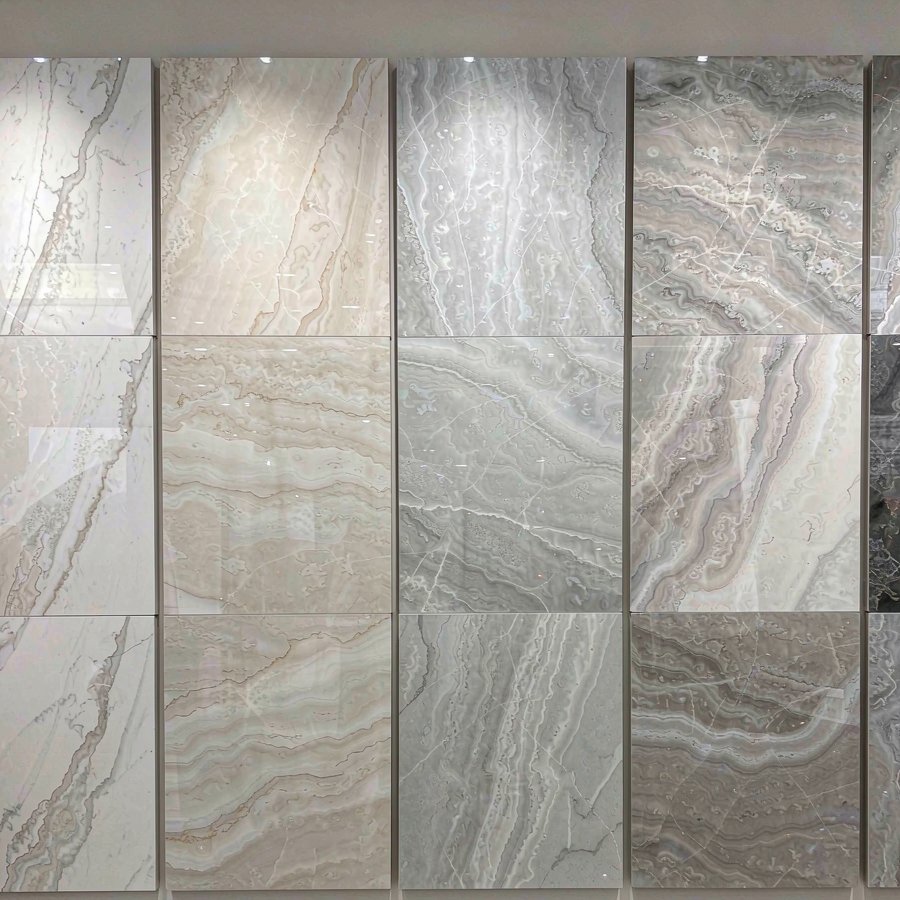
Every import order eventually runs into the same conversation: full bundle or selected bundle? The answer changes your cost per slab, your fabrication yield and your margin on the finished job — yet many first-time buyers sign the contract without knowing what quartz slab grades actually mean. This guide explains how grading works, what each grade really covers, and how to write it into your purchase order so there are no surprises when the container doors open.
What Are Quartz Slab Grades?
Quartz slab grades are the quality tiers a factory assigns to each slab after polishing, based on how the surface looks under standard inspection lighting. The grade describes appearance — base colour consistency, vein placement, minor surface marks — not the raw material. Every slab leaving a quartz plant is graded, because a 3,200 × 1,600 mm sheet of engineered stone is never visually identical to the one pressed beside it. Grading is simply the honest way to sort that natural variation into predictable tiers you can price and plan around.
Two grading logics meet at the loading dock. The first is the factory grade (A, B or commercial), which describes what the slab is. The second is the selection method (full bundle or selected bundle), which describes what you are allowed to choose from. Confusing the two is the single most common sourcing mistake we see, so when a buyer asks us to explain quartz slab grades, this is the distinction we settle first: read the two decisions as separate, then combine them.
Full Bundle vs Selected Bundle: The Core Difference
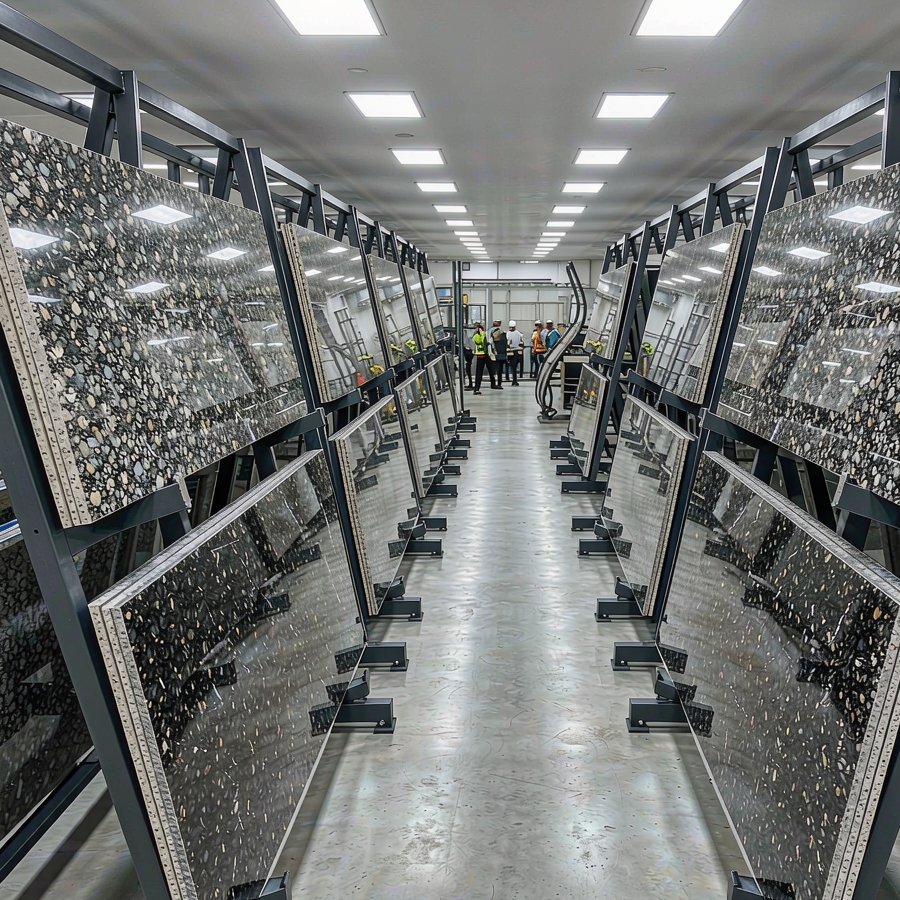
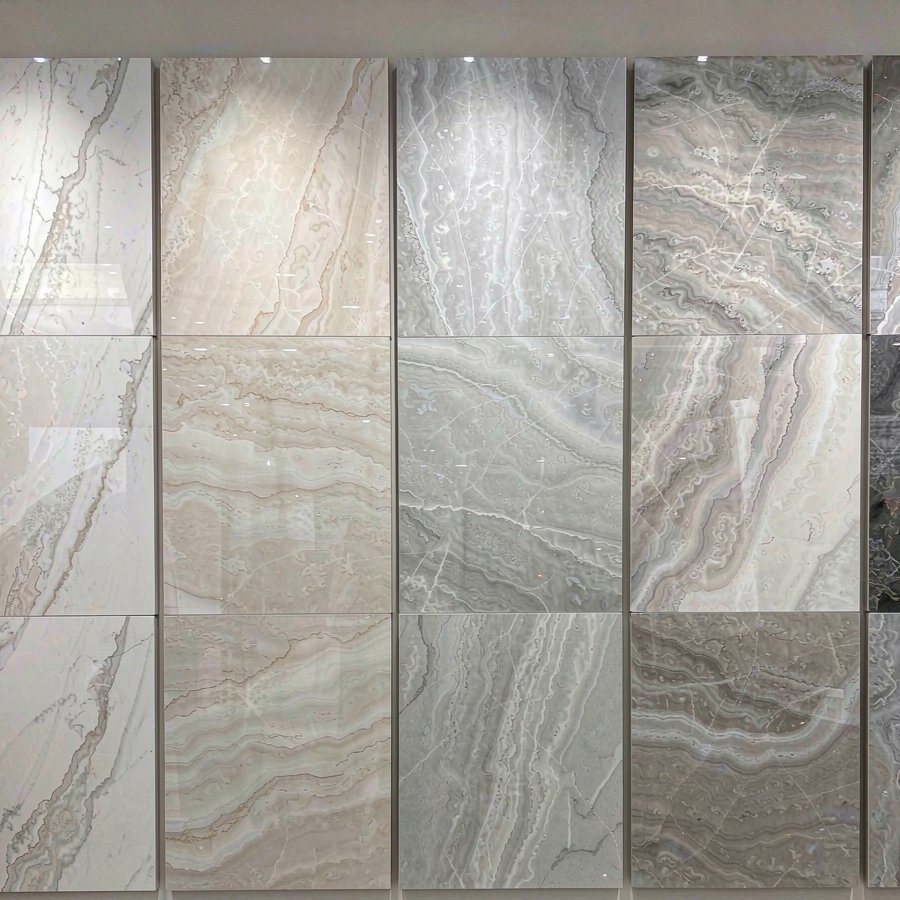
A full bundle order means you take the slabs as pressed and polished — the factory ships complete production bundles without individual selection. Vein patterns, base tone and minor marks vary from slab to slab within the agreed grade. A selected bundle order means slabs are chosen piece by piece against your approved sample, so the look stays consistent across the whole shipment.
Selected slabs typically cost 10–25% more per sheet. That premium buys visual consistency, and consistency is what a book-matched island, a continuous-vein reception desk or a matched wall run actually depends on. If your project spreads slabs across a visible surface, selection is not a luxury — it is the difference between one continuous stone scene and twenty obviously different panels. For any project where quartz slab grades will be visible in the finished work, that consistency is the product.
Why Quartz Slab Grades Matter More Than Price per Slab
Buyers compare quotes on price per square foot and treat grades as fine print. The cheaper full-bundle quote often reverses once the slabs reach the fabrication shop. Unselected slabs force fabricators to hunt for usable pieces, which wastes cutting time and yields fewer countertops per sheet. A rejected slab is not just material cost — it is labour, resin, re-polishing and a delayed installation date your end customer remembers.
Full bundle is genuinely the right choice for plenty of work: commercial flooring, wall cladding where variation reads as texture, back-of-house surfaces, or any project specified with tolerance for vein movement. The mistake is not buying full bundle — it is buying full bundle for a job that needed consistency, then paying for it three times downstream.
How Factories Grade Slabs in Practice
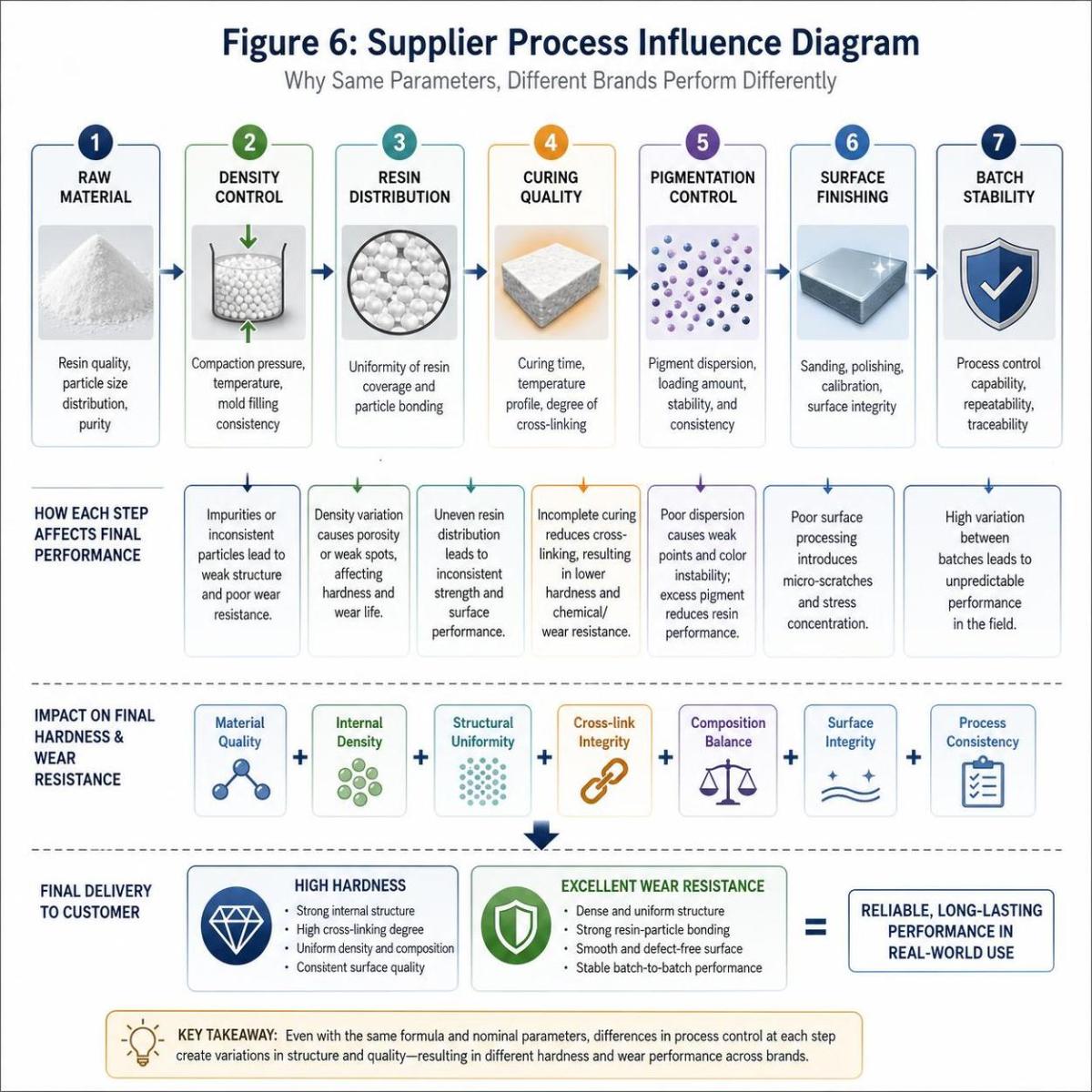
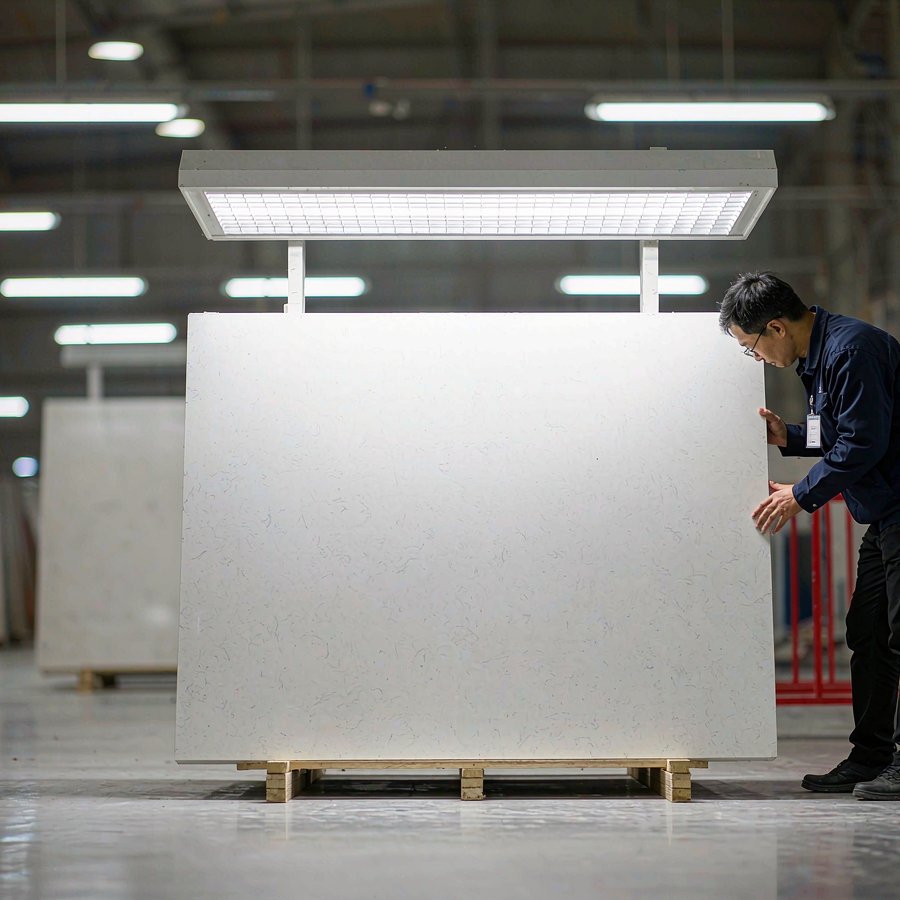
At our plant, grading happens on the polishing line, not at the packing crate. Each slab passes a lit inspection station where a technician checks four things in order: base colour consistency across the full sheet, the main vein's position and direction, minor marks such as small resin points or pin holes, and the slab's dimensional readings against the order. Slabs that pass cleanly become A grade; slabs with stronger vein movement or scattered marks drop a tier; slabs with structural issues or colour misses are pulled for commercial use or rework.
The grade is recorded against the batch number, which is why every serious factory can tell you the grade of any slab in your shipment months later. Quartz slab grades only mean something when they are recorded — that traceability is what turns a grade from a sales term into an auditable one, and it is the first thing to ask about when you vet a quartz slab supplier. If a factory cannot show you its grading records, its grades are just words.
What "A Grade" Actually Covers
A grade does not mean flawless, and any factory that promises flawless is either grading nothing or charging for perfection it cannot deliver. A-grade engineered quartz allows slight base tone variation between sheets, natural vein movement, occasional small resin points and minor polishing marks invisible at normal viewing distance. It does not allow cracks, chips through the surface, colour mismatch against the approved sample, or thickness outside tolerance.
The honest way to use grades is as a range, not a promise. Before production, agree on what your grade means in observable terms — how much vein movement, how much base tone shift, what size of surface mark is acceptable — and attach those terms to the order. A written definition beats a letter grade every time, because it removes the argument before it starts.
How to Write Grades Into Your Purchase Order
Four lines in the contract prevent most grade disputes. First, state the grade explicitly — "A grade, selected bundle" or "A grade, full bundle" — never just "good quality". Second, define the selection method: factory selection against your approved sample, or buyer selection from photos or video sent before crating. Third, note the acceptable variation range for base tone and vein, in the same units your sample review uses. Fourth, state how disputed slabs are handled — replacement in the next production run is the standard remedy.
Remote selection works well when it is structured. Ask the factory to photograph candidate slabs upright under the same lighting, with the slab number visible, and to video the bundle so you can compare sheets side by side. Factories that grade seriously will do this as routine, because it costs them one afternoon and saves a claim. Keep grade decisions in the same document as your minimum order quantity and lead-time terms, so production cannot start until the selection is confirmed.
Common Mistakes With Quartz Slab Grades
The pattern repeats across markets. Buyers assume full bundle means they can still pick the best slabs at the port — after crating, that is no longer possible. Buyers hear "selected" and expect every sheet to match a single perfect photo, when selection means consistent within an agreed range, not identical. Buyers leave grade language out of the contract and rely on the sales conversation, then discover the sales conversation is not evidence. And buyers compare a selected-bundle quote against a full-bundle quote without pricing the fabrication waste, which is where the real gap shows up.
None of these are hard to avoid. They just require treating quartz slab grades as a purchase specification — the same way you treat thickness, size and finish — rather than as a detail the factory sorts out.

Frequently Asked Questions
Is full bundle quartz really cheaper?
Yes, typically 10–25% per slab. Whether it is cheaper overall depends on your project: consistent-look jobs usually cost more in fabrication waste than they save on material.
Can I select slabs remotely without travelling?
Yes. Photo and video selection under standard lighting is standard practice for export orders — request slab numbers in every image so selections map back to specific sheets.
What grade do I need for a book-matched project?
For book-matched work, quartz slab grades should be specified as selected bundle, with the additional requirement that slabs come from the same production run so vein direction and base tone stay continuous across the pair.
Does grade affect thickness tolerance?
Not directly — thickness is a separate specification. But mills with disciplined grading usually run tighter process control overall, so their slabs measure more consistently.
Get the Grade Confirmed Before Production Starts
Whatever your project needs, agree on quartz slab grades in writing before the press runs — grade, selection method, acceptable variation and the remedy for disputes. Shandong Hongyue Quartz Stone grades every batch under standard lighting, keeps grading records against each batch number, and can send selection photos or video before crating. Reach our export desk with your colour and finish list, and we will quote the grade structure that fits your project: WhatsApp +86 198 6115 3736, or email raykelee@hyquartzslabfactory.com.
Send Us A Message