
Quartz Factory vs Trader: Where Your Slab Margin Really Goes
Quartz Factory vs Trader: Where Your Slab Margin Really Goes
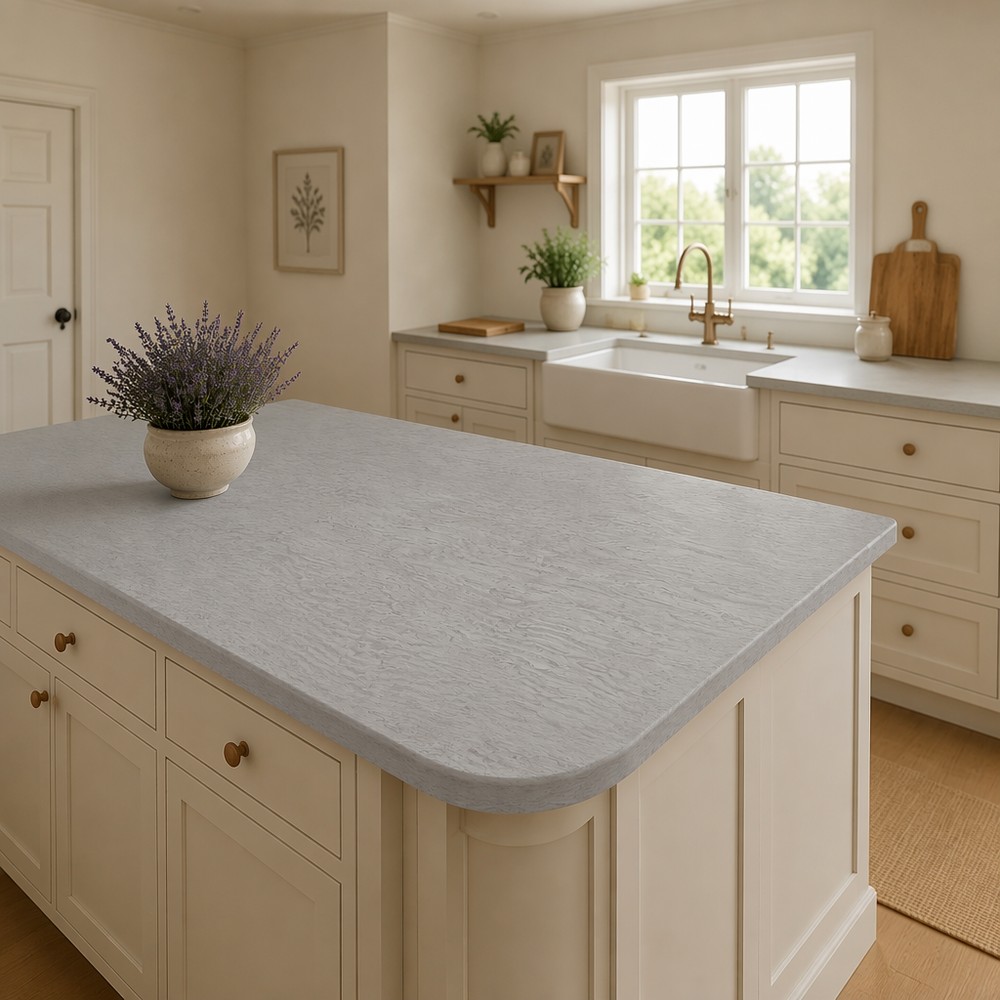
What the Quartz Factory vs Trader Choice Actually Means
When you source stone for a kitchen, a hotel, or a distribution order, the quartz factory vs trader decision decides how much of your budget reaches the slab and how much disappears into layers you never meet. A factory makes the engineered stone; a trader resells what factories make. The real gap in any quartz factory vs trader comparison is the distance between the people who control quality and the people who only control a price sheet.
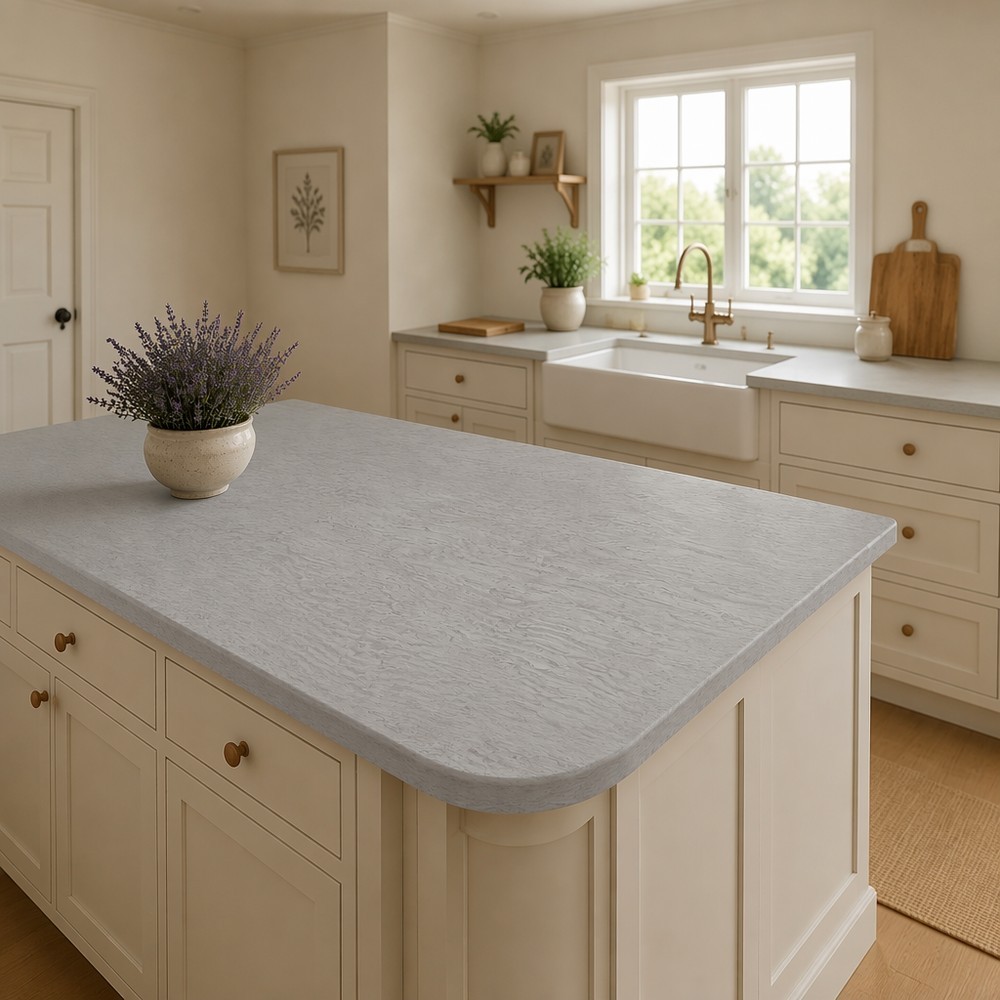
Price Transparency: Where the Margin Goes
In a quartz factory vs trader setup, the factory quotes ex-works or FOB with a visible cost stack, while a trader adds a markup on top of a markup. Buyers who skip the middle layer usually see the same slab for 15–30% less. The quartz factory vs trader price gap is not about quality—it is about how many hands the order passes through before it reaches your dock.
Quality Control You Can Actually Verify
A second reason the quartz factory vs trader question matters is accountability. At a factory you can request batch photos, inspect before loading, and trace a claim back to the line that made the slab. A trader rarely controls production, so the quartz factory vs trader difference shows up the moment something goes wrong and you need a real answer, not a forwarded email.
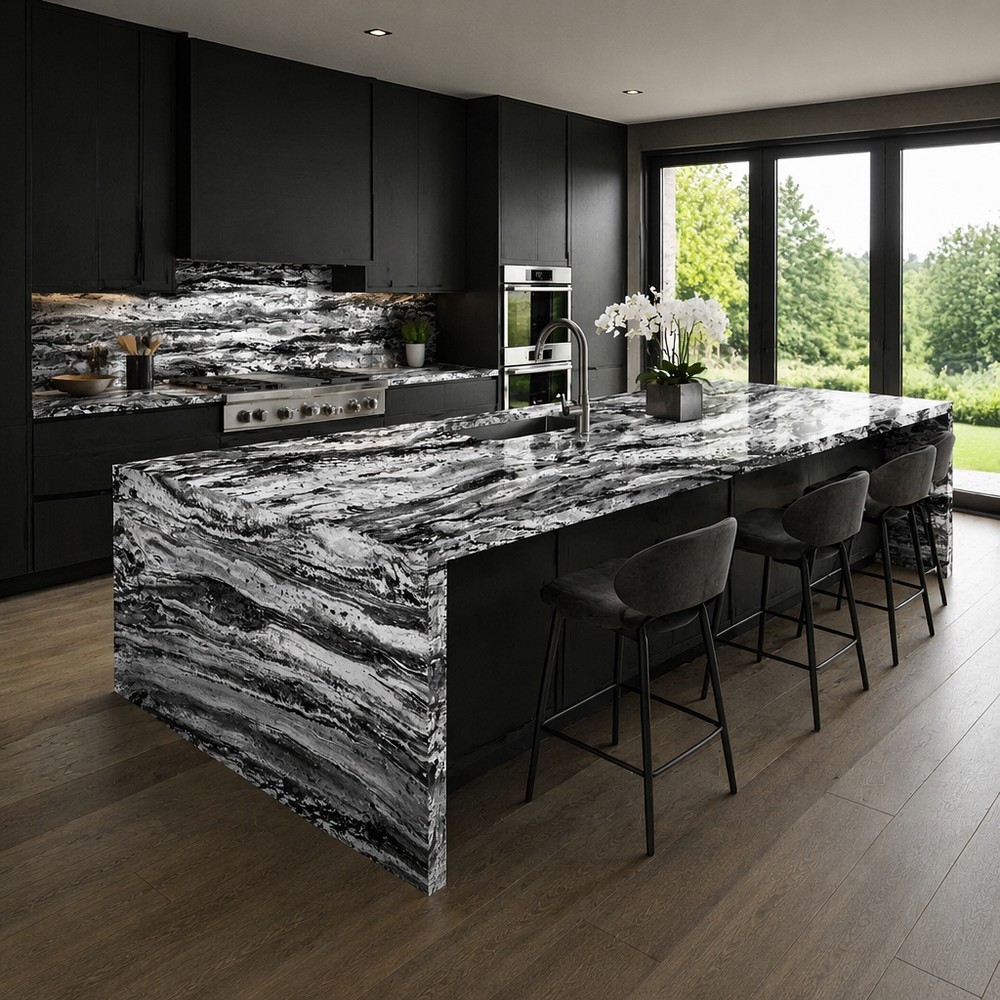
Customization, OEM and Private Label
If you need a specific vein, a project colour, or your own brand on the slab, the quartz factory vs trader route decides whether it is even possible. Factories run OEM and private-label development; traders can only sell what already exists. Choosing a quartz factory vs trader partner for custom work means your colour lives in the catalogue instead of in someone else's warehouse.
MOQ and Container Flexibility
Small importers worry that a factory means huge minimums. In practice the quartz factory vs trader flexibility gap has narrowed: many factories accept mixed-colour containers and lower starting volumes than a trader admits. A direct quartz factory vs trader conversation lets you build a container around your market instead of around someone else's leftover stock.
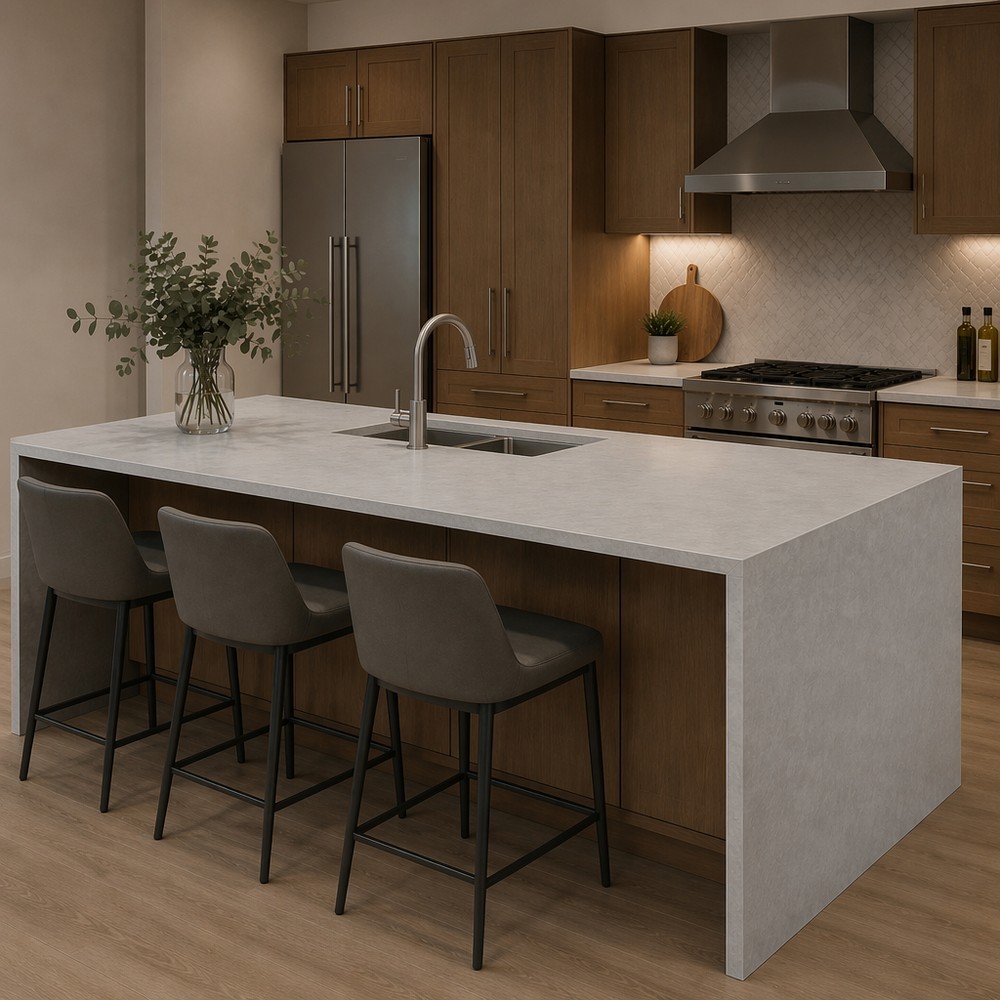
Lead Time and Direct Communication
Lead time is where the quartz factory vs trader structure hurts most when done wrong. A trader relays your question to a factory it may barely know; a factory answers from the floor. The quartz factory vs trader communication edge is measured in days, and on a fixed project schedule those days are money.
After-Sales and Claims Handling
Claims are unavoidable in stone. The quartz factory vs trader difference appears in who owns the problem: the maker or a reseller who already closed the file. Direct buyers get a root-cause report and a replacement plan; relayed buyers get a polite delay. On a quartz factory vs trader basis, accountability is the hidden product you are actually purchasing.
How to Tell a Real Quartz Factory from a Trader
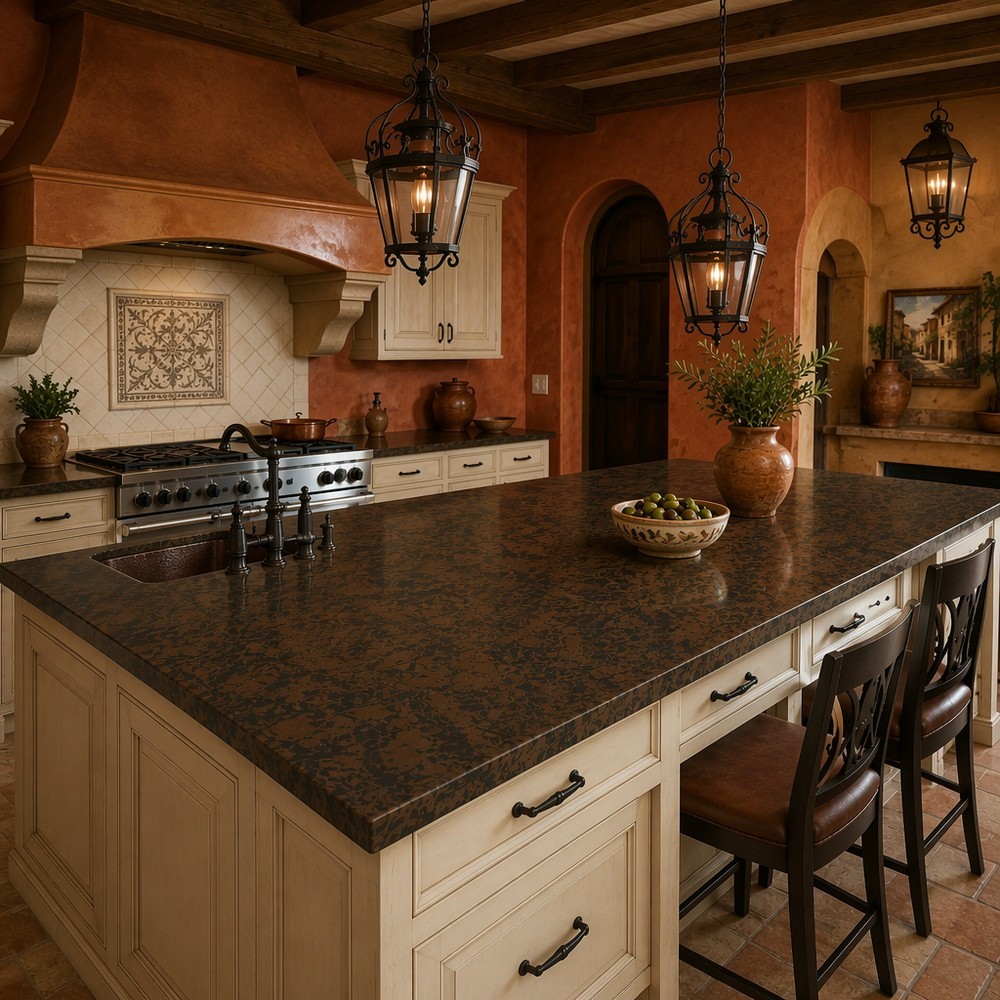
Not every "factory" is one. In a quartz factory vs trader check, ask for the production licence, the workshop video, and the batch-number traceability. A genuine factory shows you the line; a trader shows you a catalogue. The quartz factory vs trader verification step protects you long before the container sails.
When a Trader Still Makes Sense
The quartz factory vs trader debate is not absolute. A trader can help with consolidation, local warehousing, or tiny orders below a factory's minimum. But for recurring volume, the quartz factory vs trader math favours going direct. Know which situation you are in before you pay the layer.
Why Buyers Choose Shandong Hongyue Quartz Stone
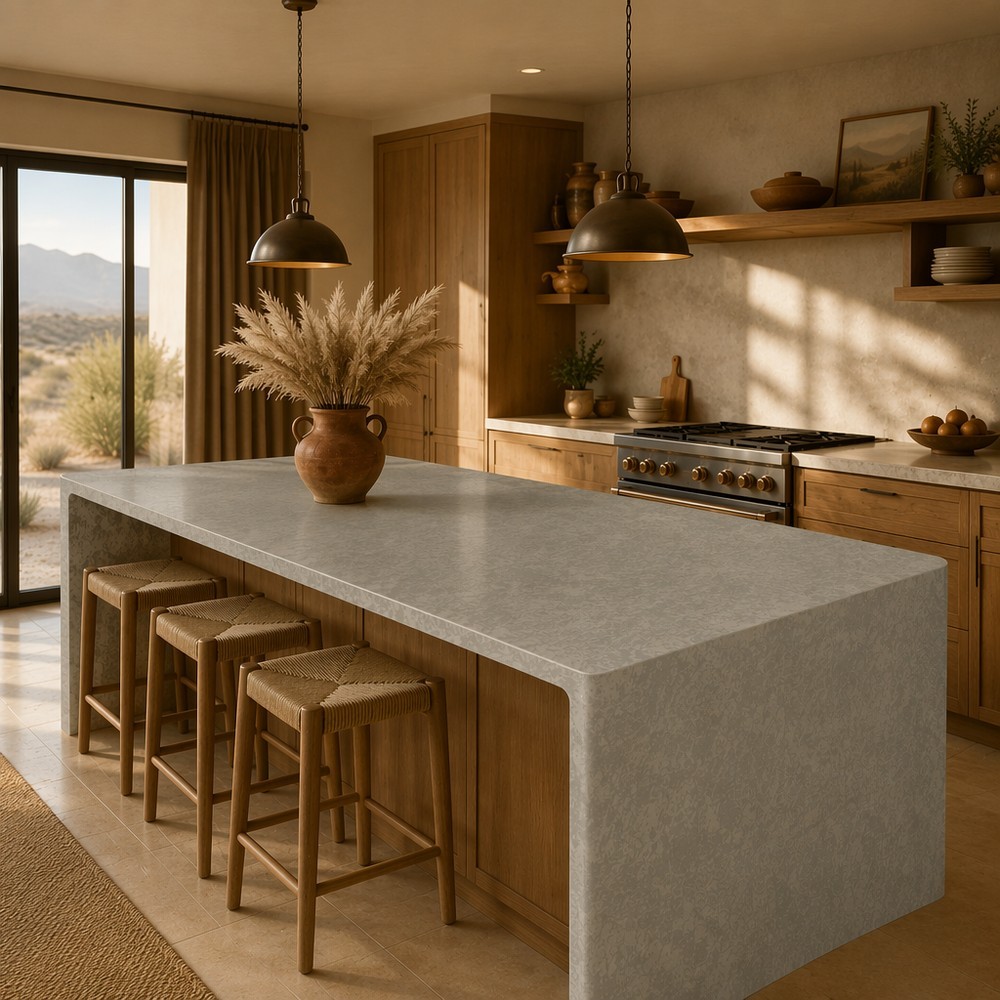
Shandong Hongyue Quartz Stone runs its own production line with ISO9001, NSF and SGS certifications, standard 3200×1600/1800 mm slabs at 18/20 mm, and a 2–4 week lead time. For importers weighing quartz factory vs trader options, the short path is to talk to the maker: WhatsApp +86 198 6115 3736 or raykelee@hyquartzslabfactory.com. We support mixed-container MOQ, OEM colour development, and full pre-shipment inspection so the quartz factory vs trader choice becomes the easy one.
Frequently Asked Questions
Is a quartz factory vs trader purchase always cheaper? Usually, because you remove a resale margin, but verify the landed cost including freight and duties—a trader with a consolidated shipment can occasionally beat a small direct order.
Can a trader still deliver factory quality? Yes, if the trader sources from a reputable maker, but you trade away direct accountability and customization. The quartz factory vs trader trade-off is control versus convenience.
How do I verify a factory is real? Request a live workshop video, the business licence, and batch-traceable documentation. A real quartz factory vs trader answer includes proof of production, not just a price list.
Conclusion
The quartz factory vs trader decision is really a decision about control: control of price, quality, and accountability. For volume buyers the direct route almost always wins. Contact Shandong Hongyue Quartz Stone via WhatsApp +86 198 6115 3736 or raykelee@hyquartzslabfactory.com to quote your next container and see the quartz factory vs trader difference on your own order.
Send Us A Message