
Quartz Durability: Does It Stain, Scratch or Burn?
Quartz Durability: Does It Stain, Scratch or Burn?
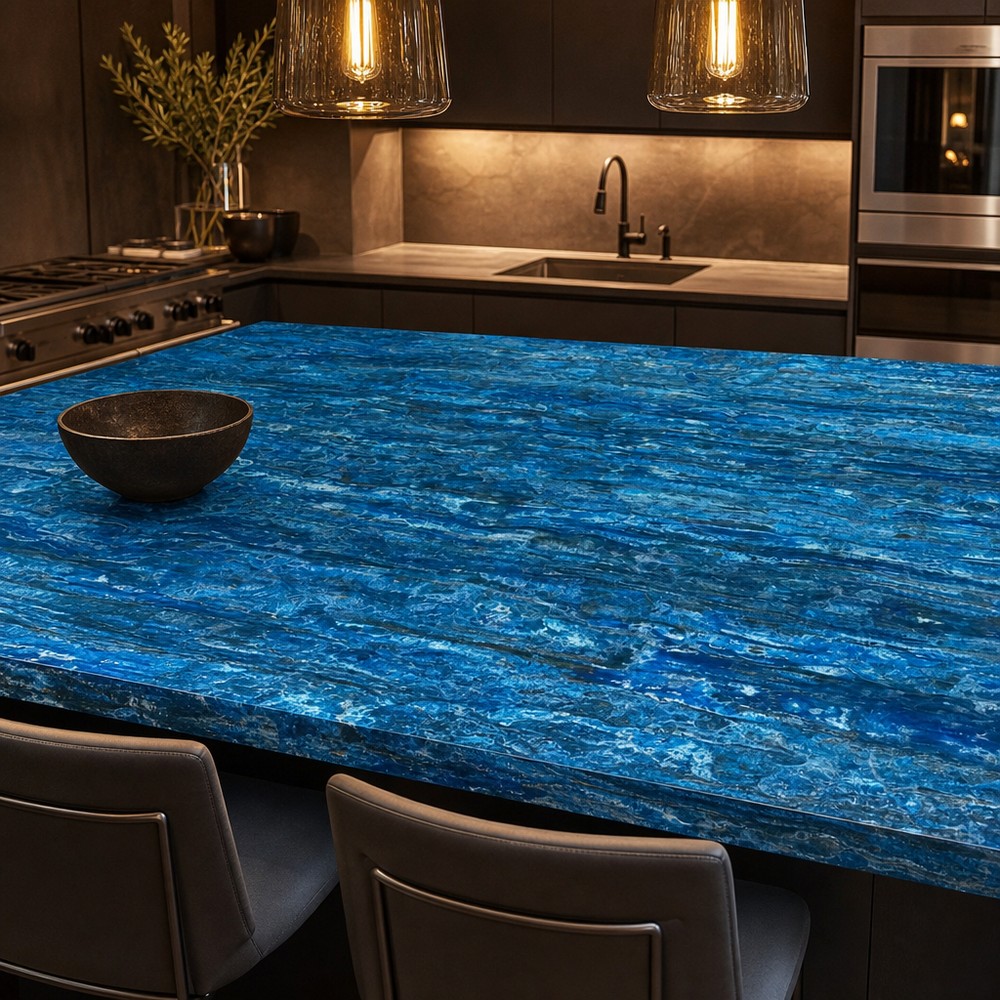
When buyers ask "will this surface survive my kitchen," what they really mean is quartz durability. Quartz is one of the toughest surfaces you can specify — but "durable" is not the same as "invincible." This guide gives the honest, tested limits on the three questions every buyer asks: does quartz stain, scratch or burn? Understanding real quartz durability is how you get decades of good looks instead of early regret.
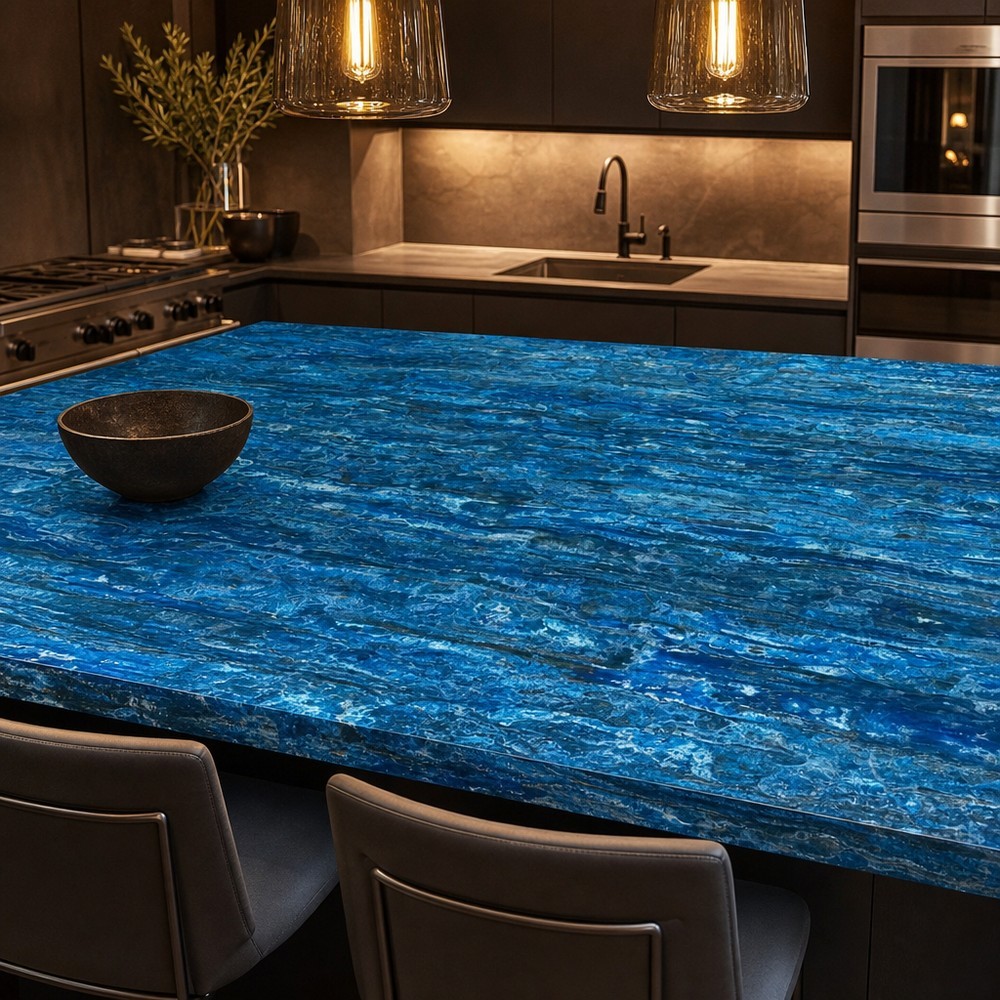
What Quartz Durability Actually Means
Engineered quartz is about 90–93% crushed natural quartz bound with polymer resin. That mix is what gives quartz durability its edge over raw stone: the quartz particles are harder than steel, and the resin fills the gaps so the slab is non-porous. The result is a surface that shrugs off daily wear that would mark marble or concrete. But the resin is also the soft spot — and quartz durability is really a balance between a very hard filler and a heat-sensitive binder. Knowing that balance is the whole game.
Does Quartz Stain?
This is the first quartz durability question, and the answer is mostly no. Because the slab is non-porous, everyday spills — coffee, wine, oil, juice — sit on the surface and wipe away without soaking in. No sealing required, unlike granite or marble. The honest limit: leave a strong dye or oil sitting for hours and it can mark the resin top coat. Our stain-resistance testing shows normal messes lift in seconds, but prompt wiping is what protects quartz durability long term.
Does Quartz Scratch?
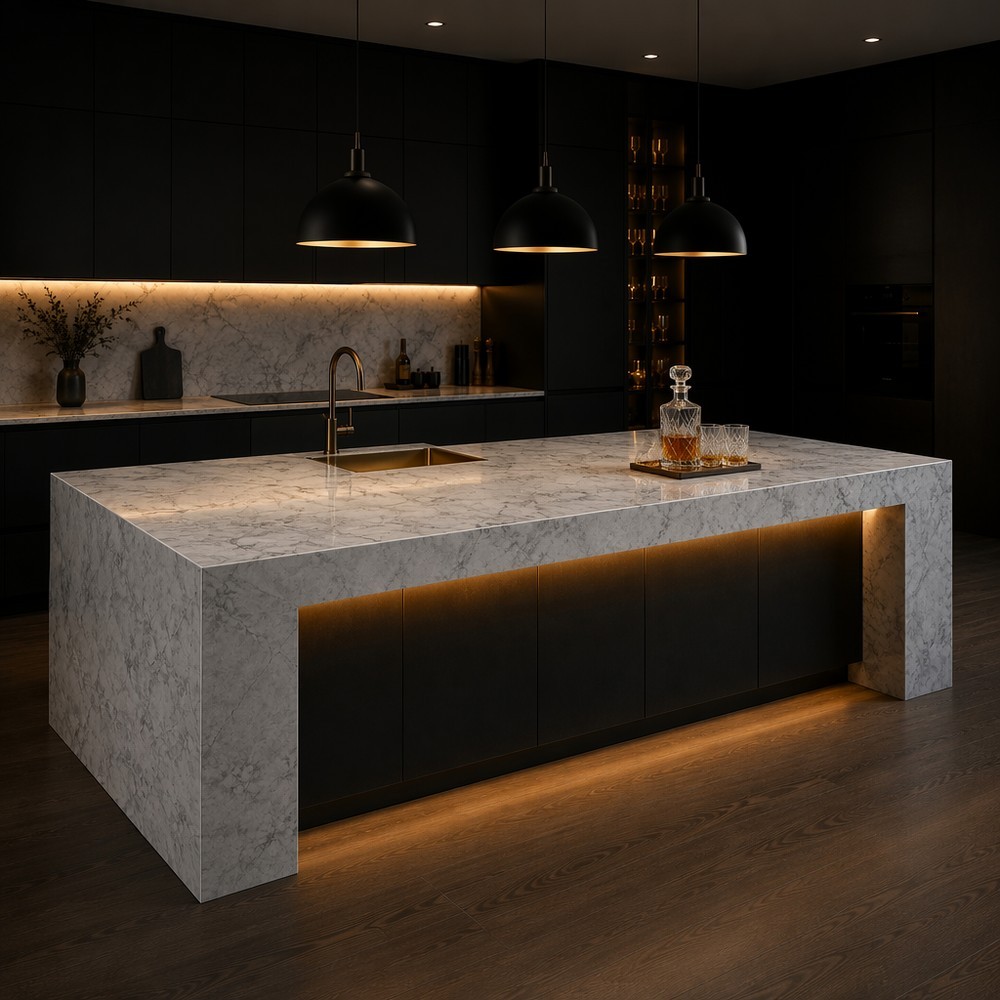
For quartz durability, scratch resistance is excellent. Quartz ranks about 6 on the Mohs scale — harder than a steel knife, so routine contact will not cut the slab. But "harder than the knife" is not "immune." Knife edges can leave grey metal streaks or fine scratches on the resin surface if you chop directly on it. Always use a board. The hardness advantage is real, and quartz durability against wear is why it outlasts most alternatives in busy kitchens.
Does Quartz Burn or Heat-Damage?
Heat is the one place quartz durability has a hard limit. The quartz itself ignores heat, but the resin binder starts to soften and discolour around 150 °C (300 °F). A roasting tray, curling iron or frying pan easily exceeds that. Always set hot items on a trivet. Our heat-resistance testing confirms the slab survives normal kitchen warmth but not direct thermal shock. Respecting this one rule keeps quartz durability intact for years.
Quartz Durability vs Natural Stone
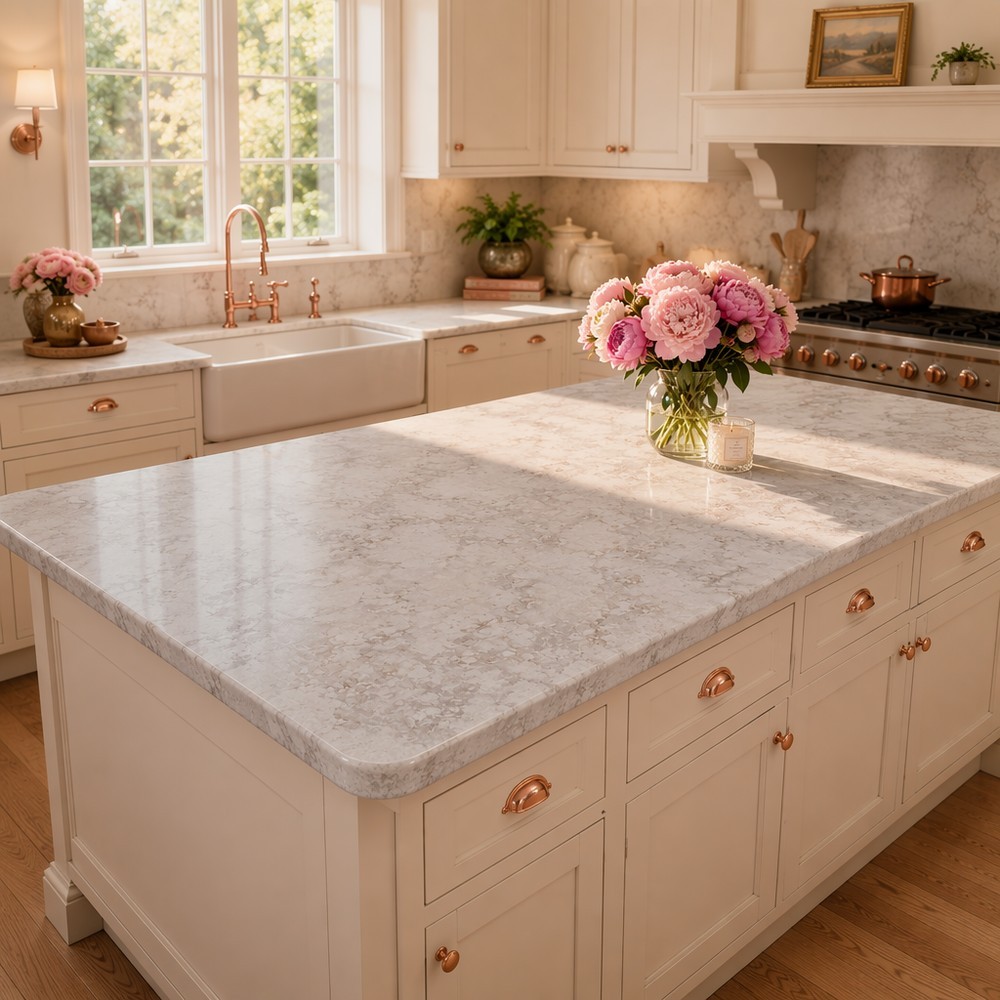
Compared with granite and marble, quartz durability wins on consistency. Granite can vary slab to slab and still needs sealing; marble etches from anything acidic. Quartz gives you a uniform, non-porous, low-upkeep surface every time. It is not "stronger" than granite in every axis, but for the combination of stain, scratch and care, quartz durability is the easier surface to live with day to day.
What Actually Hurts Quartz Durability
Three things shorten quartz durability: harsh chemicals (bleach, oven cleaner, abrasive powders etch the resin), thermal shock (hot pan straight from stove), and heavy impact on a thin unsupported edge. None of these is a defect — they are simply the limits of the resin binder. Avoid them and the surface looks new for well over a decade. Protecting quartz durability is mostly about a few habits, not constant maintenance.
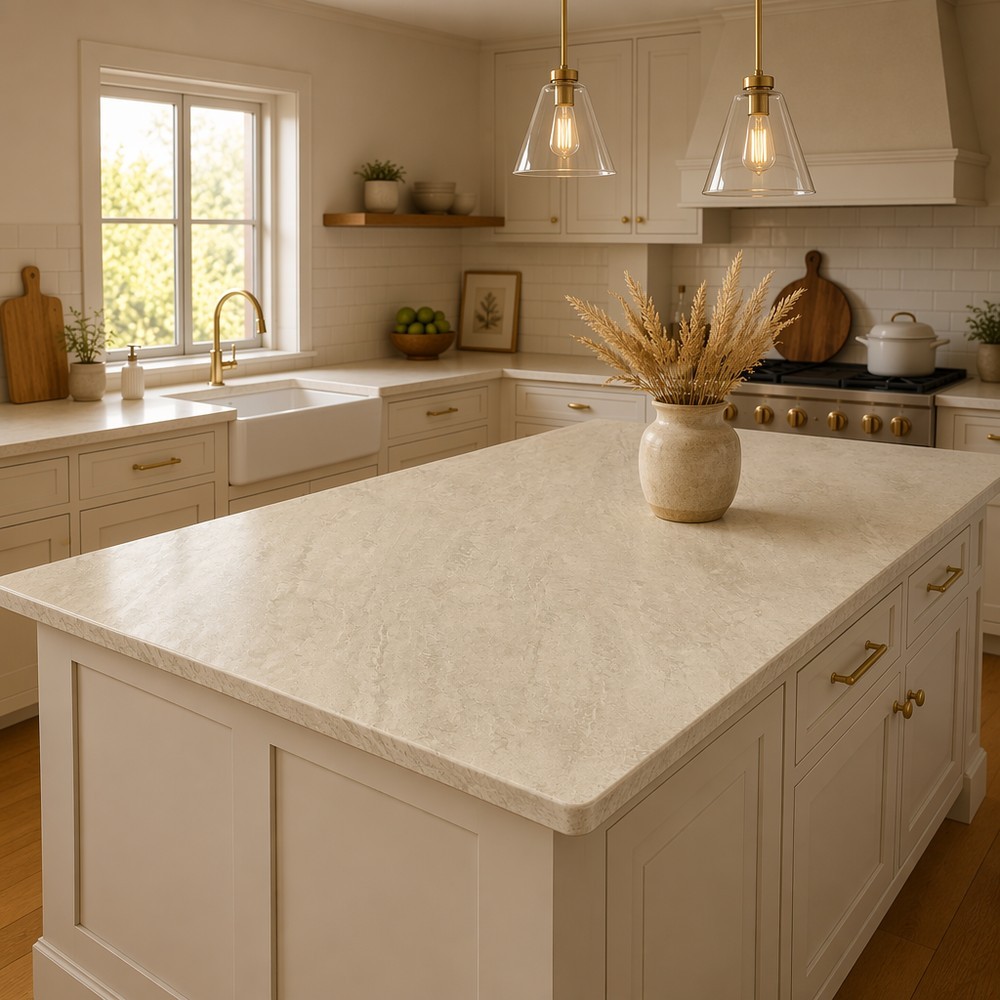
How We Test Quartz Durability at the Factory
Real quartz durability is built before the slab reaches you. At the factory we run batch colour control, flatness checks and wear testing so a large island stays consistent across every panel. Certification (ISO9001, NSF food-contact, SGS) backs the claims with third-party proof. When you choose a graded, batch-controlled slab, you are buying verified quartz durability rather than a pretty photo that drifts in colour after install.
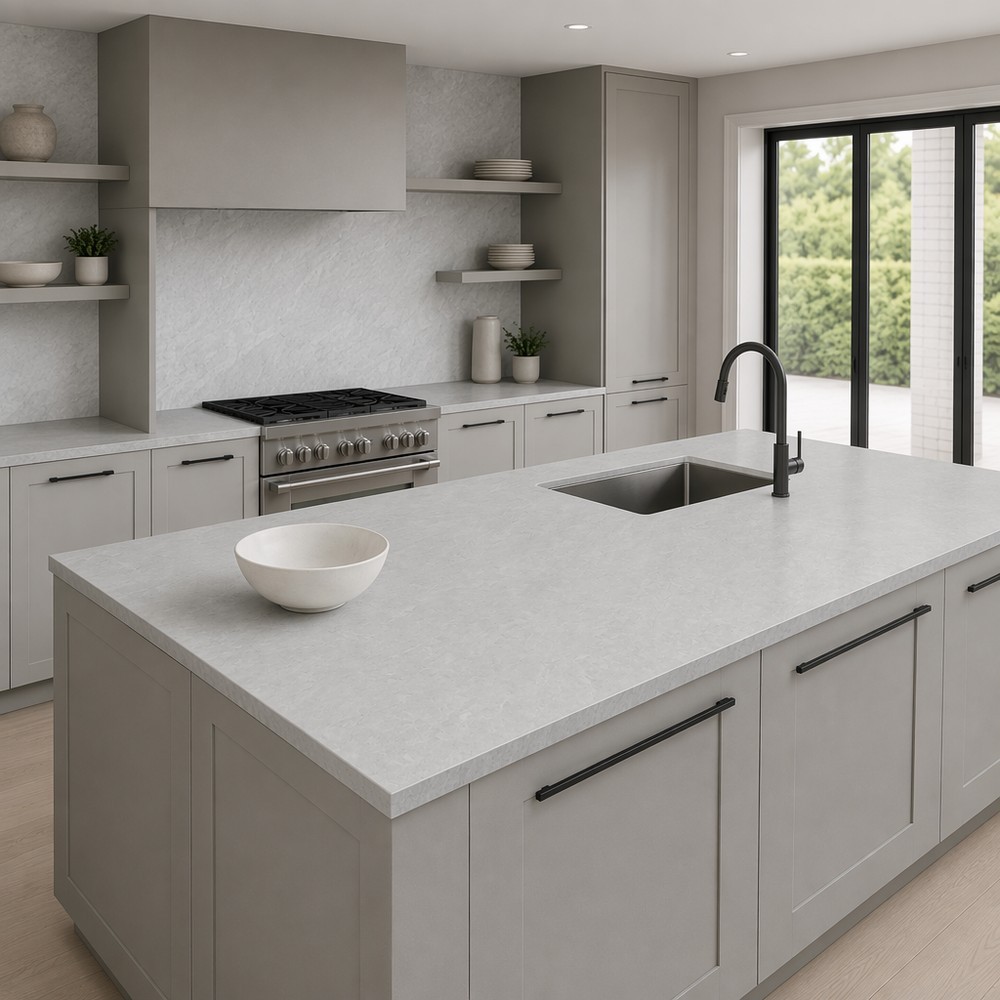
Maximizing Quartz Durability
The routine that protects quartz durability is short: wipe daily with mild soap and water, use a trivet for heat, use a cutting board, and skip harsh chemicals. Do that and the surface will look new for well over a decade. quartz durability is genuinely low-maintenance — it just is not indestructible, and pretending otherwise is how damage happens.
Frequently Asked Questions
Is quartz more durable than granite? In stain and care terms, yes — quartz is non-porous and needs no sealing, so everyday quartz durability is easier to keep.
Can quartz crack from heat? The slab won't shatter, but direct thermal shock can discolour or craze the resin. Always use a trivet to protect quartz durability.
Will knives scratch quartz? The slab is harder than steel, but chopping directly on it can mark the resin. A cutting board preserves quartz durability.
How long does quartz last? With basic care, quartz durability holds for 15+ years in normal homes and commercial spaces alike.
Conclusion
quartz durability is real and impressive — non-porous, scratch-resistant and low-maintenance — but it has honest limits around heat and harsh chemicals. Respect those and you get a surface that looks new for decades. Specify a certified, batch-controlled slab and pair it with a few simple habits, and quartz durability will reward you every single day.
Shandong Hongyue Quartz Stone Co., Ltd. — factory-direct quartz slabs in 85/90 whiteness grades, batch-controlled colour and full certification (ISO9001, NSF, SGS), MOQ-friendly for projects. WhatsApp: +86 198 6115 3736 · Email: raykelee@hyquartzslabfactory.com
Send Us A Message